 EN
EN



The Rising Pressure on Power Plants to Achieve Ultra-Low Emission
Over the past decade, environmental regulations governing power plant emissions have tightened significantly across global markets. Coal-fired power plants, industrial boilers, and captive power units are now required to comply with increasingly strict sulfur dioxide (SO₂) emission limits, often below 35 mg/Nm³ and, in some regions, even lower.
As a result, flue gas desulfurization (FGD) systems have shifted from being optional environmental add-ons to becoming core components of power plant design and long-term operation strategies. The selection of desulfurization technology today is no longer driven solely by compliance requirements, but also by operational stability, lifecycle cost, energy efficiency, and byproduct management.
Among the available technical routes, ammonia-based desulfurization is gaining renewed attention as power plants seek solutions that balance environmental performance with economic sustainability.
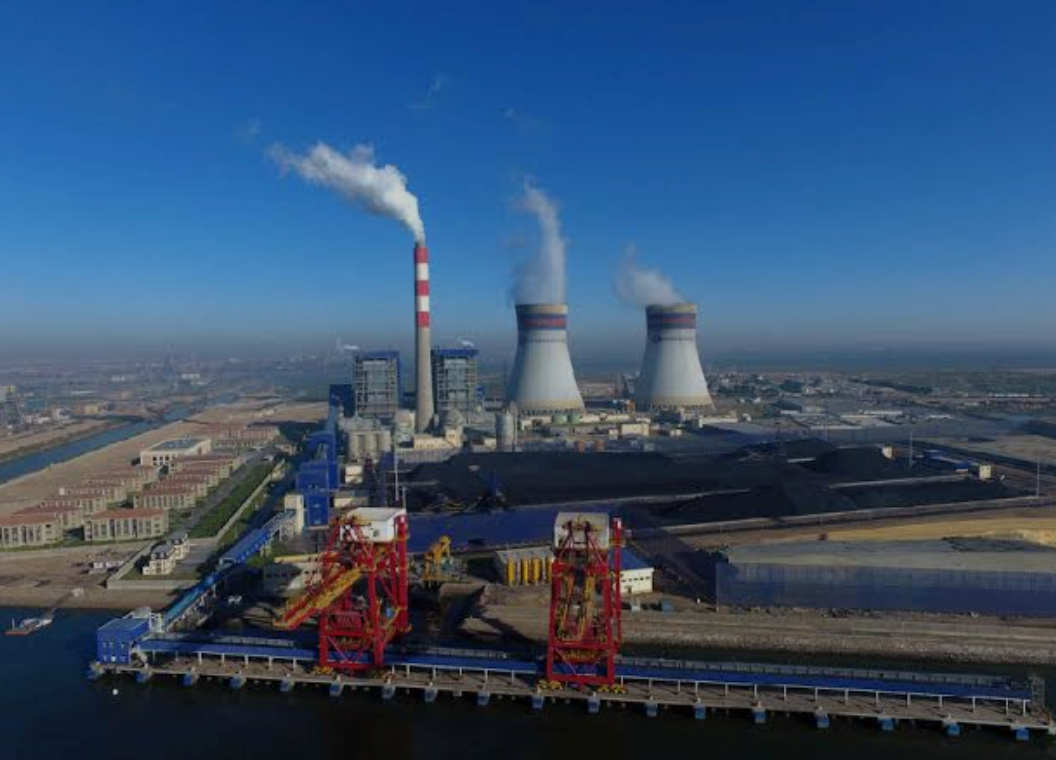
Flue Gas Characteristics in Power Plants and Their Impact on Technology Selection
Power plant flue gas presents a unique combination of challenges. Large gas volumes, fluctuating load conditions, varying sulfur content in fuel, and the need for continuous, stable operation all place high demands on desulfurization systems.
Typical coal-fired power plant flue gas features:
High flow rates and continuous operation
SO₂ concentrations that vary with fuel quality and load
Fine particulate matter and acidic components
Tight coupling with downstream equipment such as ESPs, SCR systems, and stacks
Under these conditions, desulfurization systems must deliver high efficiency without introducing operational risks, excessive energy consumption, or secondary pollution.
Traditional limestone-gypsum FGD has long dominated the market due to its maturity and proven performance. However, its limitations—such as high auxiliary power consumption, large system footprint, scaling risks, and gypsum disposal pressure—have led many operators to reassess alternative technologies, particularly for retrofit projects or plants seeking long-term cost optimization.
Fundamental Principles of Ammonia-Based Desulfurization
Ammonia-based desulfurization uses ammonia or ammonia water as the absorbent to react with sulfur dioxide in flue gas. Due to ammonia’s high chemical reactivity, the absorption process proceeds rapidly, even at relatively low liquid-to-gas ratios.
The core reaction converts sulfur dioxide into ammonium sulfate, a stable and commercially valuable compound widely used as fertilizer. Unlike calcium-based systems, the process does not generate large quantities of solid waste requiring disposal or long-term storage.
From a chemical and process standpoint, ammonia-based desulfurization offers:
Fast reaction kinetics
High SO₂ removal efficiency
Minimal scaling tendency
Clean liquid-phase reaction pathways
These characteristics make it particularly suitable for large-capacity power plants operating under stringent emission limits.
High Desulfurization Efficiency Under Variable Operating Condition
One of the most compelling advantages of ammonia-based desulfurization is its ability to maintain stable removal efficiency across a wide range of operating loads. In modern power systems, frequent load fluctuations caused by renewable energy integration place additional stress on environmental control equipment.
Ammonia-based FGD systems can consistently achieve SO₂ removal efficiencies of 95–99%, even during rapid load changes. This stability is essential for power plants operating under real-time emission monitoring regimes, where short-term exceedances can result in penalties or forced load reduction.
The precise control of ammonia dosing allows operators to respond quickly to changes in inlet sulfur concentration, ensuring compliance without excessive reagent consumption.
Energy Consumption and Auxiliary Power Advantages
Auxiliary power consumption has become a critical evaluation factor in power plant environmental systems. Pumps, fans, and slurry circulation systems can significantly affect net plant efficiency, especially in large units.
Compared with limestone-based FGD, ammonia-based systems typically operate with:
Lower liquid circulation rates
Reduced absorber pressure drop
Smaller circulation pumps
Optimized spray and gas-liquid contact design
These factors contribute to lower electrical consumption for auxiliary equipment, resulting in measurable long-term energy savings. Over the operational life of a power plant, reduced auxiliary power translates directly into improved net efficiency and lower operating costs.
For plants operating under competitive electricity markets or capacity-based remuneration mechanisms, this advantage can have a meaningful impact on overall profitability.
Byproduct Utilization and Circular Economy Benefits
A key distinction between ammonia-based desulfurization and conventional calcium-based processes lies in byproduct management.
While limestone-gypsum FGD produces gypsum that may face market saturation or disposal challenges, ammonia-based desulfurization converts sulfur dioxide into ammonium sulfate, a widely recognized agricultural fertilizer.
This transformation of pollutants into usable products supports circular economy principles and creates opportunities for:
Additional revenue streams
Reduction of waste disposal costs
Improved project financial performance
In regions with established fertilizer markets, ammonium sulfate byproduct utilization can offset a significant portion of desulfurization operating expenses, turning environmental compliance into a partially self-sustaining process.
Addressing Historical Concerns: Ammonia Slip and Aerosol Formation
Historically, ammonia-based desulfurization faced skepticism due to concerns over ammonia slip and the formation of sulfate aerosols, which could lead to visible plumes or secondary pollution.
Modern ammonia-based desulfurization technologies have fundamentally addressed these issues through:
Multi-stage gas–liquid separation design
Advanced mist elimination systems
Precise ammonia injection and feedback control
Optimized absorber internal structures
As a result, contemporary systems can achieve ammonia slip levels well below regulatory thresholds, often approaching near-zero emissions. The elimination of aerosol-related “white plume” phenomena has further improved public acceptance and environmental performance.
These advancements have redefined ammonia-based desulfurization as a clean and reliable technology rather than a niche or high-risk option.
Integration with Denitrification and Overall Flue Gas Treatment Systems
In modern power plants, desulfurization does not operate in isolation. Effective integration with particulate control systems and denitrification units is essential for achieving ultra-low emission targets.
Ammonia-based desulfurization systems offer favorable conditions for downstream SCR or SNCR processes by:
Stabilizing flue gas temperature and moisture
Reducing acid gas fluctuations
Allowing optimized ammonia management across systems
In integrated system designs, coordinated ammonia control strategies can reduce total reagent consumption and improve overall plant efficiency, particularly in ultra-low emission retrofit projects.
Suitability for New Builds and Retrofit Projects
Ammonia-based desulfurization is applicable to both new power plant construction and retrofit of existing units. Its compact layout and flexible configuration make it especially attractive for sites with limited space or structural constraints.
For retrofit projects, advantages include:
Reduced civil modification requirements
Shorter installation schedules
Minimal disruption to ongoing operations
These factors are particularly important for aging power plants seeking to extend operational life while meeting updated environmental standards.
Long-Term Reliability and Lifecycle Cost Consideration
Beyond initial capital investment, power plant operators increasingly evaluate technologies based on total cost of ownership (TCO). Ammonia-based desulfurization systems demonstrate strong performance in this regard due to:
Lower maintenance requirements
Reduced scaling and fouling risks
Stable long-term performance
Predictable reagent consumption
Over multi-decade operating periods, these factors contribute to higher system availability and lower cumulative operating costs, reinforcing the economic viability of ammonia-based solutions.
A Strategic Choice for Future-Oriented Power Plants
As power plants face the dual challenge of environmental compliance and economic sustainability, ammonia-based desulfurization offers a compelling combination of high efficiency, energy savings, byproduct utilization, and operational reliability.
With technological advancements eliminating historical drawbacks, ammonia-based FGD has evolved into a mature, proven solution capable of supporting ultra-low emission targets without compromising plant performance.
For power plant operators seeking a forward-looking approach to emission control, ammonia-based desulfurization represents not only a compliance tool, but a strategic investment in long-term operational resilience.
Table of Contents
- The Rising Pressure on Power Plants to Achieve Ultra-Low Emission
- Flue Gas Characteristics in Power Plants and Their Impact on Technology Selection
- Fundamental Principles of Ammonia-Based Desulfurization
- High Desulfurization Efficiency Under Variable Operating Condition
- Energy Consumption and Auxiliary Power Advantages
- Byproduct Utilization and Circular Economy Benefits
- Addressing Historical Concerns: Ammonia Slip and Aerosol Formation
- Integration with Denitrification and Overall Flue Gas Treatment Systems
- Suitability for New Builds and Retrofit Projects
- Long-Term Reliability and Lifecycle Cost Consideration
- A Strategic Choice for Future-Oriented Power Plants