 EN
EN


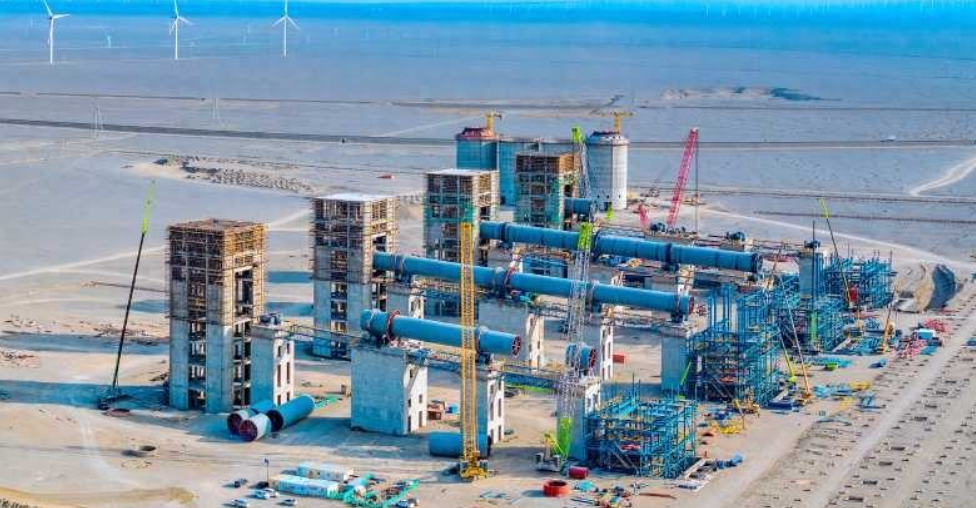
For decades, nitrogen, phosphorus, and potassium have dominated discussions about crop nutrition. Sulfur, although essential for plant growth, has often received less attention. That is changing as agricultural producers pay closer attention to soil ...
VIEW MORE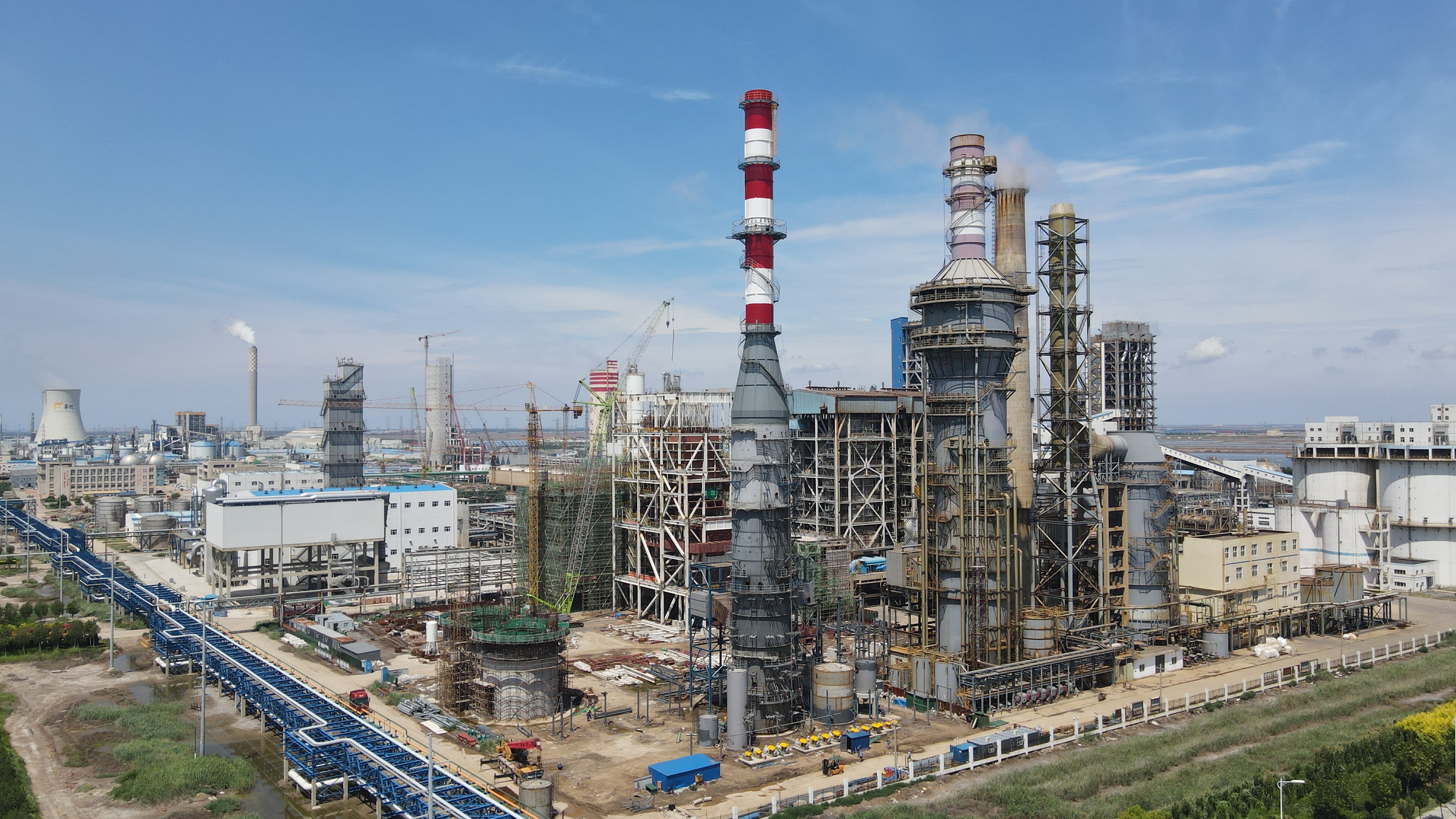
An operating limestone-based flue gas desulfurization (FGD) tower can become a difficult asset to evaluate. Demolishing it may waste serviceable infrastructure, while keeping the existing process unchanged can leave a plant exposed to rising operatin...
VIEW MORE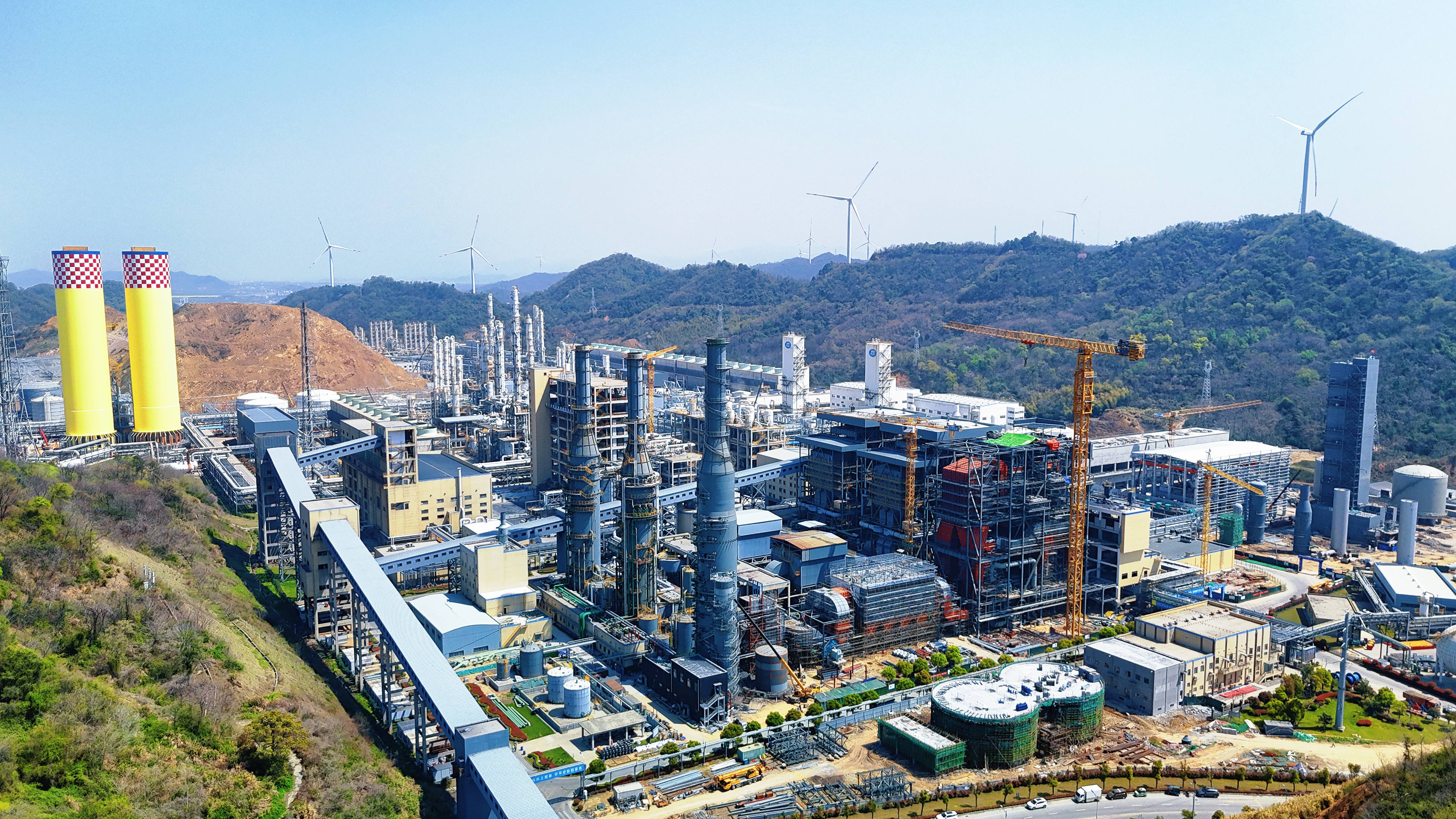
For years, many industrial plants have followed a familiar approach to emission control: Use limestone-gypsum technology for flue gas desulfurization (FGD) and use an SCR system for nitrogen oxide reduction. This combination has played an important r...
VIEW MORE
For decades, limestone-gypsum technology has been the dominant approach to flue gas desulfurization in China. Ammonia desulfurization, meanwhile, has attracted interest for its potential to combine efficient sulfur dioxide removal with resource recov...
VIEW MORE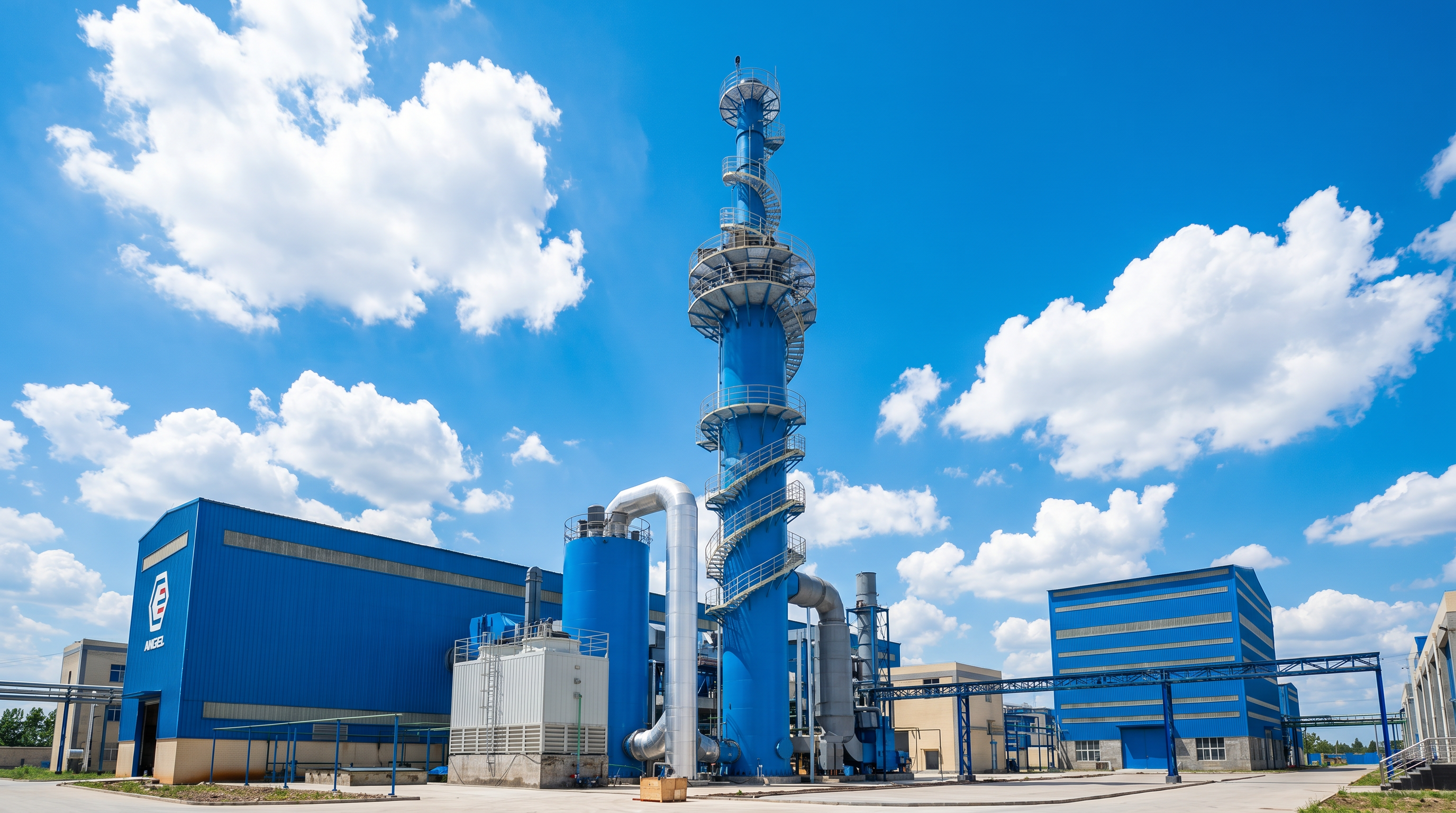
Limestone-gypsum desulfurization has been used for decades. It is a mature technology with extensive engineering experience and remains an important flue gas desulfurization solution for industrial facilities. So why are more companies now taking a c...
VIEW MORE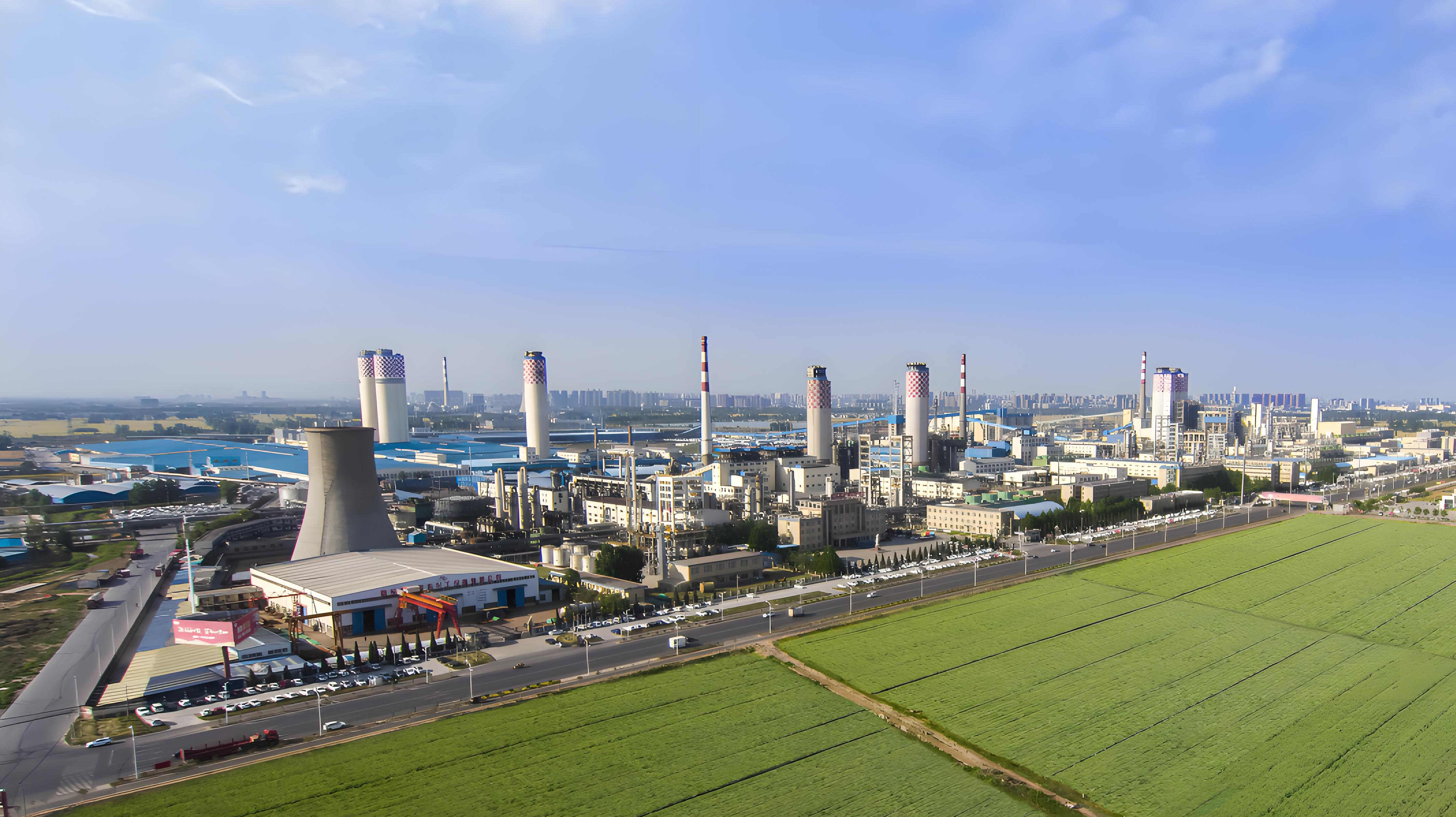
When an environmental protection system leaves the factory, the work is far from finished. Between equipment delivery and stable long-term operation, there are multiple stages to manage: engineering design, manufacturing, installation, commissioning,...
VIEW MORE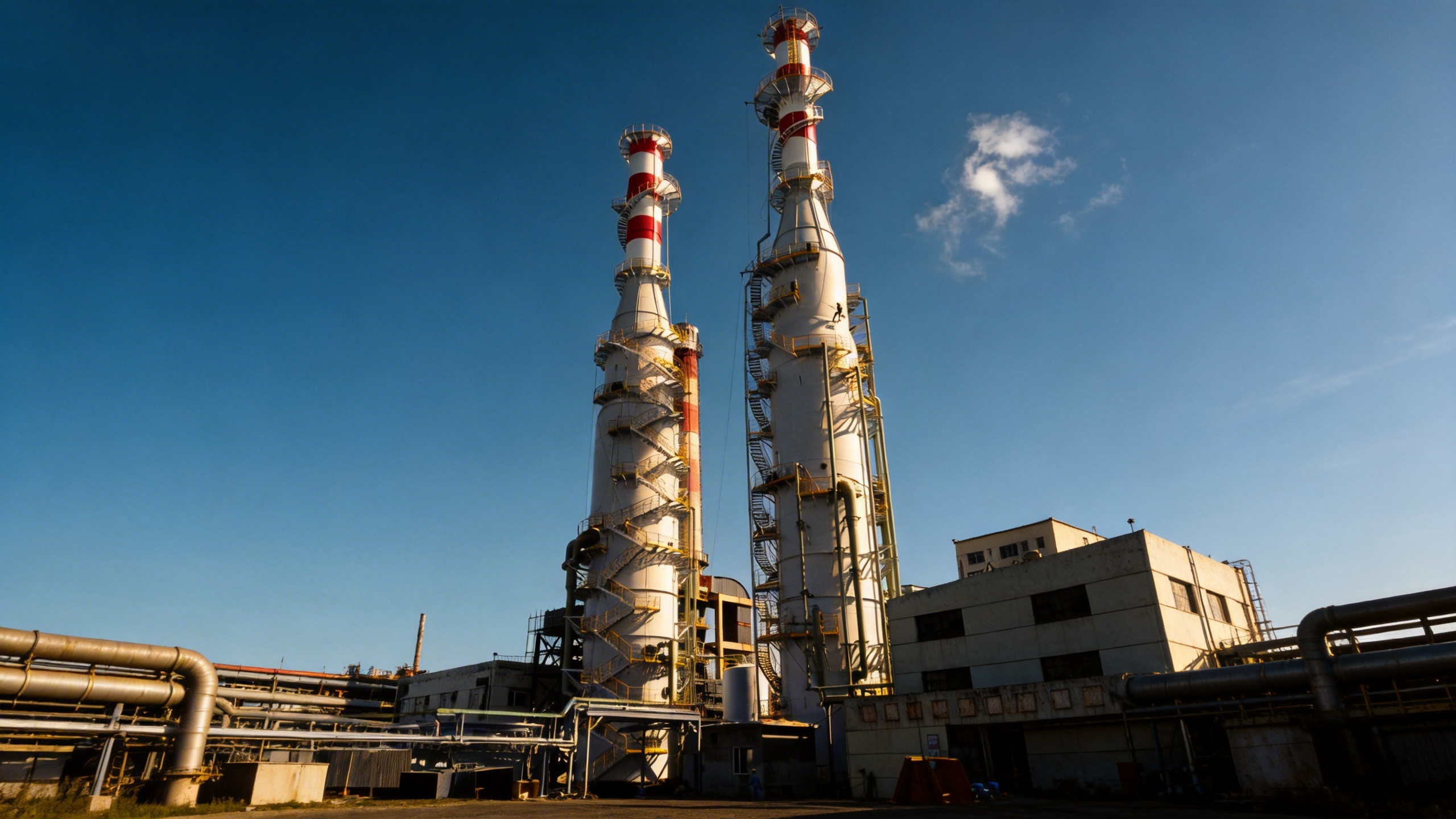
For a long time, there has been a simple assumption in power plant desulfurization: high-sulfur coal requires ammonia-based technology, while low-sulfur coal can be handled economically with calcium-based desulfurization. That assumption is becoming ...
VIEW MORE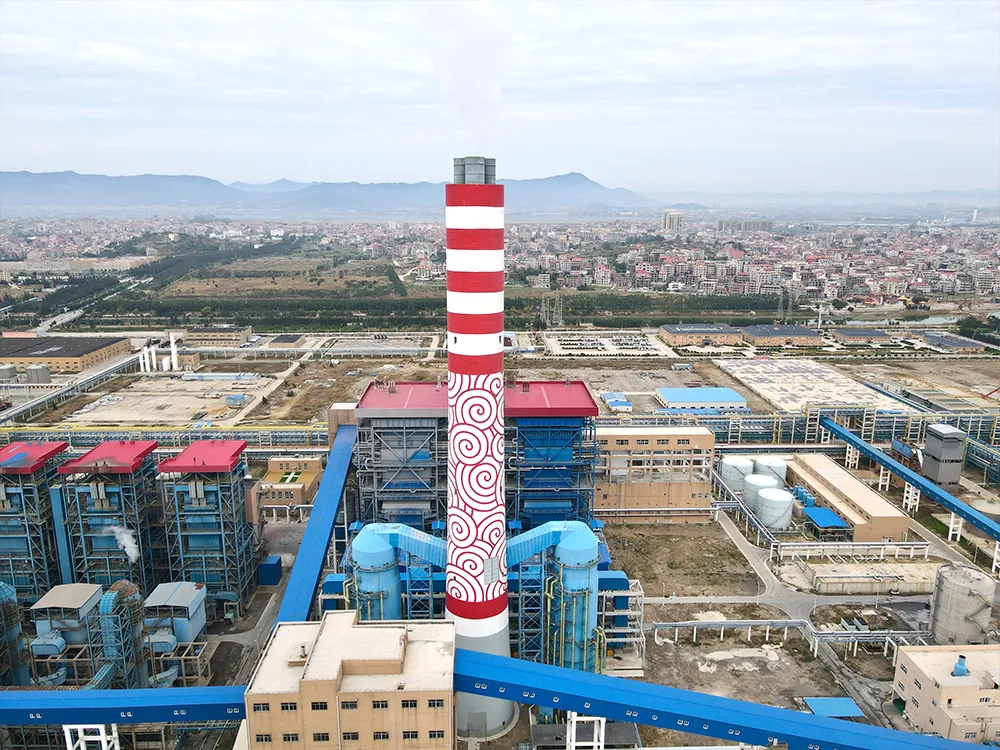
There is a saying in China’s environmental protection industry: “When environmental policies change, yesterday’s investment can become tomorrow’s burden.” Many companies have experienced the same frustrating cycle. They ...
VIEW MORE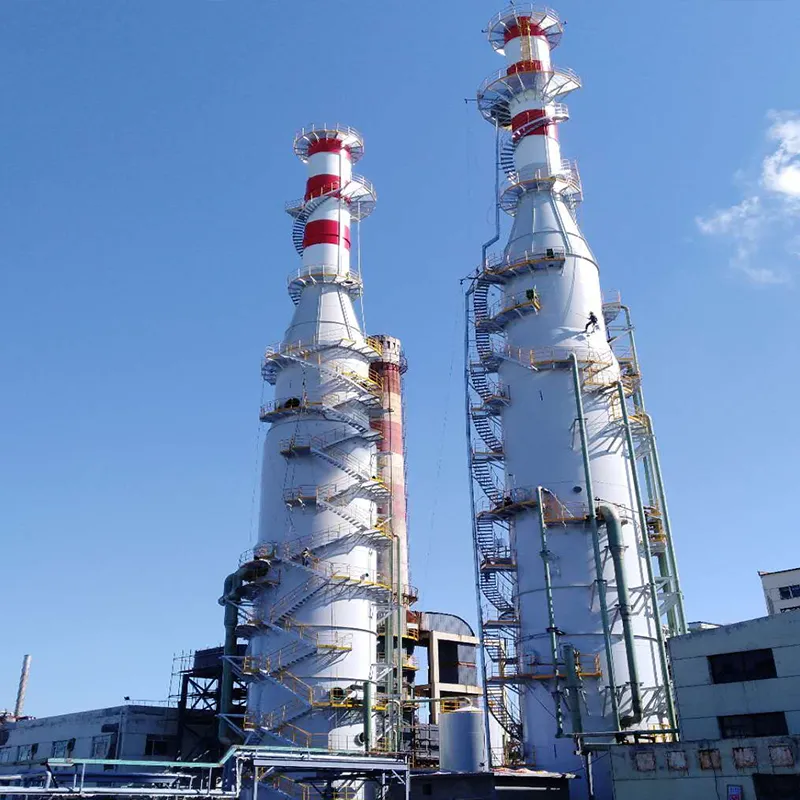
Focus Keywords: wet limestone FGD, limestone FGD technology, industrial desulfurization system, SO₂ removal system, wet flue gas desulfurization Meta Description: Understand how wet limestone FGD technology controls SO₂ emissions in power plants, ste...
VIEW MORE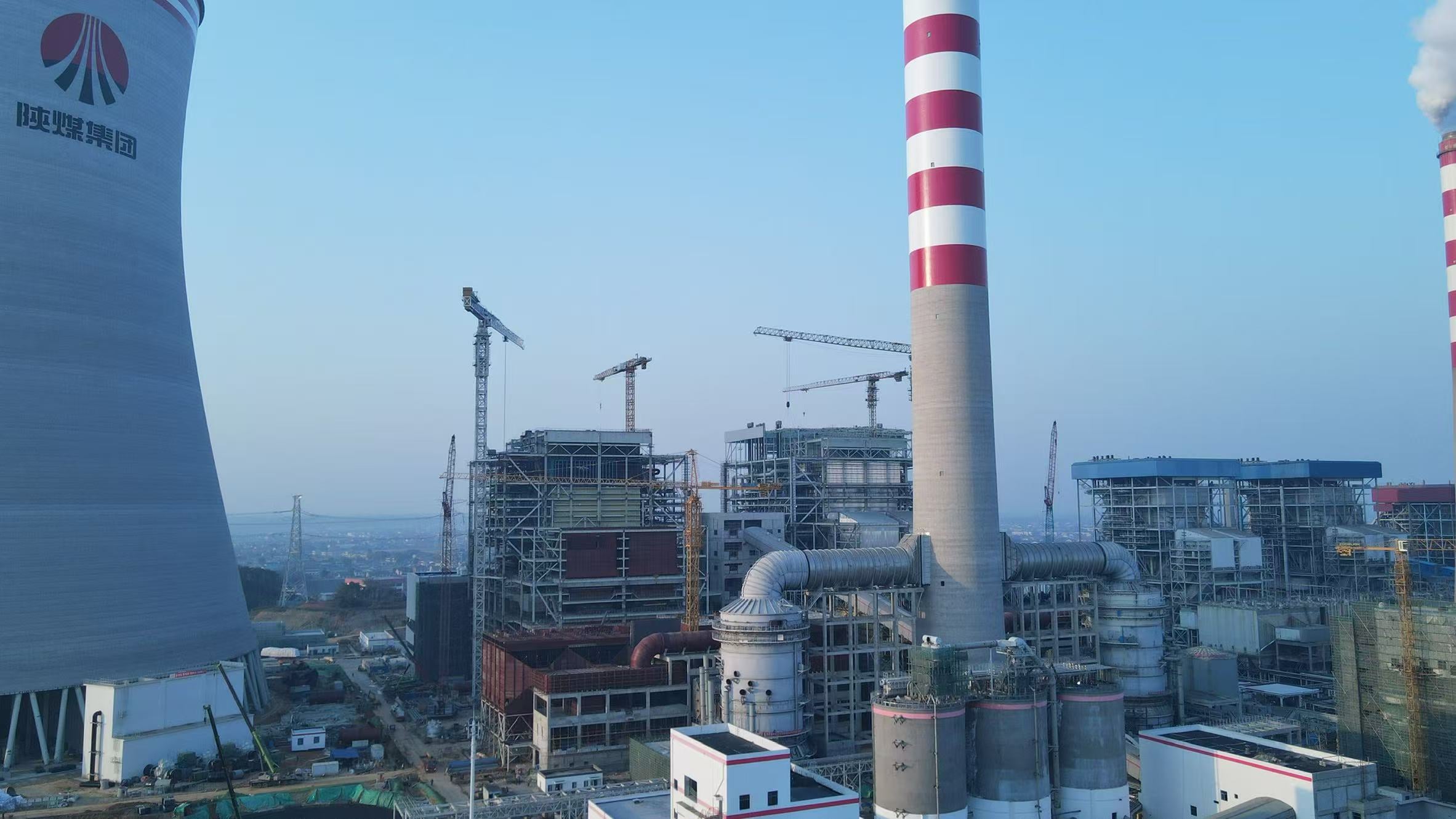
Focus Keywords: limestone gypsum FGD, limestone FGD system, wet limestone desulfurization, flue gas desulfurization system, limestone gypsum process Meta Description: Learn how limestone-gypsum FGD systems remove SO₂ from industrial flue gas and why ...
VIEW MORE
Focus Keywords: ammonia desulfurization, ammonia FGD, industrial flue gas desulfurization, SO₂ removal system, ammonium sulfate recovery Meta Description: Explore ammonia desulfurization technology for industrial flue gas, including SO₂ removal, ammo...
VIEW MORE
Focus Keywords: ammonia-based FGD, ammonia desulfurization, ammonia FGD system, flue gas desulfurization, ammonium sulfate fertilizer Meta Description: Discover how ammonia-based FGD removes SO₂ from industrial flue gas while producing ammonium sulfa...
VIEW MORE
Desulfurization & Denitrification
De-dusting
VOCs Treatment
Guillotine Isolation Damper
Decarbonization
Humic Acid Co-production
Waste Tire Pyrolysis
Operation & Maintenance
3Rd. Longshan Environmental Technology Park, Zhangqiu District, JiNan, Shandong, China
Copyright © 2025 MirShine Environmental Protection Technology Co., Ltd. All rights reserved. Privacy Policy