 EN
EN


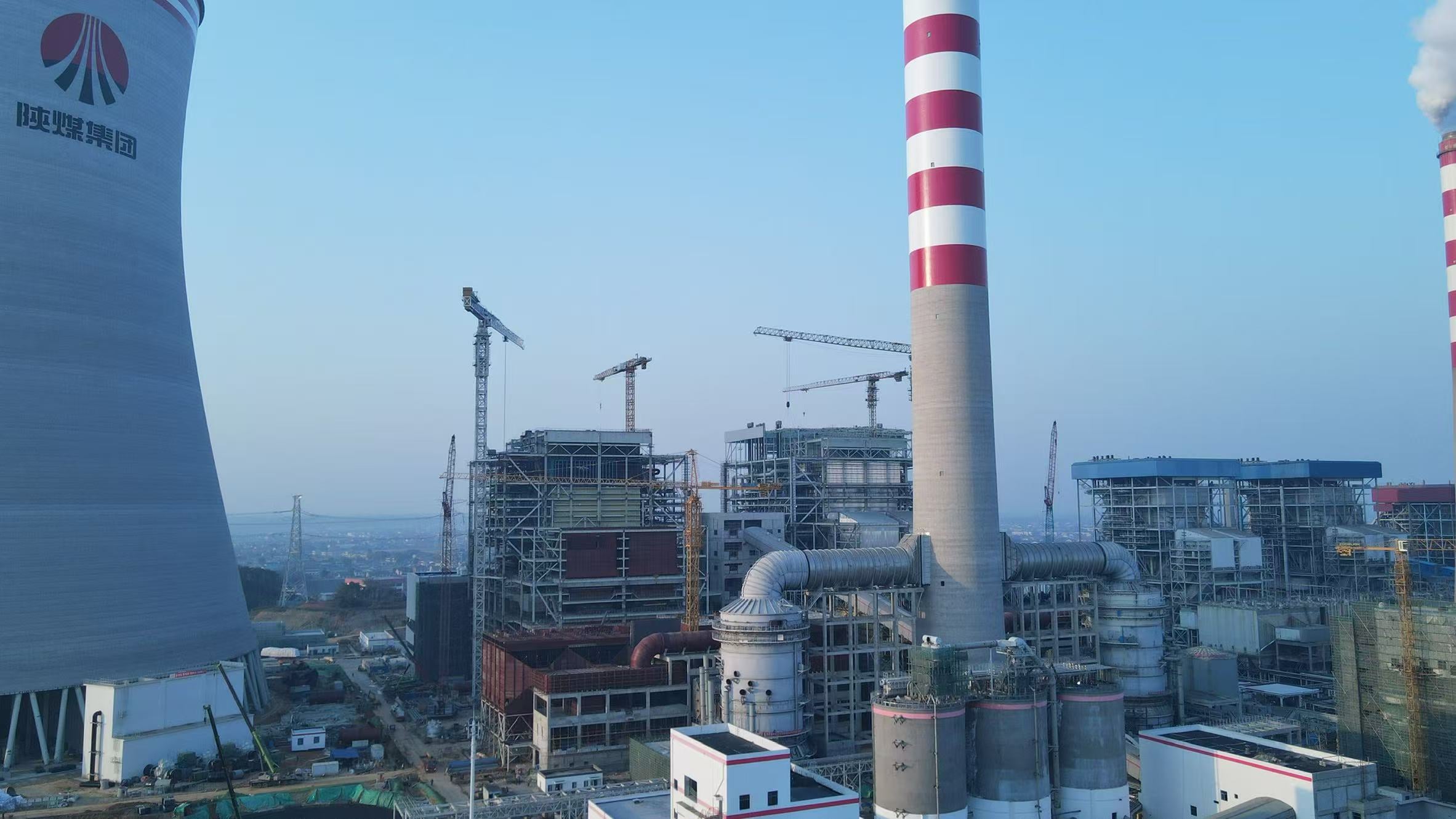
Focus Keywords: limestone gypsum FGD, limestone FGD system, wet limestone desulfurization, flue gas desulfurization system, limestone gypsum process
Meta Description: Learn how limestone-gypsum FGD systems remove SO₂ from industrial flue gas and why the technology remains widely used in power plants, steel mills, cement plants, and other large industrial facilities.
Why Limestone-Gypsum FGD Remains Widely Used
When industrial companies evaluate flue gas desulfurization technologies, limestone-gypsum FGD is usually one of the first processes considered.
The reason is not difficult to understand.
The technology has been used extensively in large industrial facilities for decades. Limestone is widely available in many regions, the process is well established, and the resulting gypsum can be utilized in suitable applications.
Wet limestone-gypsum FGD is particularly common in large power generation facilities, but its application is not limited to the power sector.
Steel, metallurgy, chemical processing, and other industries can also require large-scale SO₂ removal.
For these projects, the objective is not simply to install an absorber. The entire process needs to work continuously under changing gas flow, sulfur load, and operating conditions.
MirShine Environmental Group provides customized limestone-gypsum desulfurization systems based on the actual conditions of each industrial facility.
How Does Limestone-Gypsum FGD Work?
The process uses limestone, primarily calcium carbonate (CaCO₃), as the desulfurization reagent.
Limestone is prepared as a slurry and circulated through an absorber.
The hot flue gas enters the absorber and comes into contact with the limestone slurry.
SO₂ is absorbed into the liquid phase and reacts with calcium-containing compounds.
The simplified overall reaction can ultimately be represented as:
SO₂ + CaCO₃ + O₂ → CaSO₄ + CO₂
The calcium sulfate can form gypsum under controlled process conditions.
The resulting gypsum slurry is separated from the liquid and may be further dewatered.
The exact chemical pathway involves intermediate sulfite and bisulfite species, but the practical objective is to convert gaseous SO₂ into a stable solid product.
Main Equipment in a Limestone FGD System
A complete limestone-gypsum FGD system contains several major subsystems.
Limestone Preparation
Limestone needs to be crushed and prepared to the required particle size.
Depending on the project, limestone may be purchased in a suitable powder form or processed on site.
The quality and fineness of limestone affect its reaction rate and utilization.
Absorber
The absorber is the core component of the wet FGD system.
Flue gas enters the absorber and contacts circulating limestone slurry.
Spray levels, droplet distribution, liquid circulation, gas velocity, and residence time all affect SO₂ removal.
Slurry Circulation System
Circulation pumps move the absorption slurry through the spray system.
Reliable pump operation is essential because the absorber normally operates continuously.
Oxidation System
The absorbed sulfur compounds need to be oxidized to form calcium sulfate.
Air is introduced into the slurry to support oxidation.
Stable oxidation is important for producing gypsum with suitable characteristics.
Gypsum Dewatering
After oxidation, gypsum slurry is separated from the liquid.
Dewatering equipment reduces water content and prepares the gypsum for storage or further use.
Why Is Limestone Suitable for FGD?
One of the biggest advantages of limestone is availability.
Limestone deposits exist in many parts of the world, and the material is generally less expensive than some alternative reagents.
The mature supply chain makes limestone FGD attractive for large industrial projects where reagent consumption can be substantial.
Another advantage is the possibility of gypsum utilization.
Depending on purity and quality, FGD gypsum may be used in applications such as construction materials or cement production.
Limestone FGD in Power Plants
Large coal-fired power plants have historically been one of the most important applications for wet limestone FGD.
Large boilers produce significant volumes of flue gas, and sulfur dioxide concentration can vary according to fuel characteristics.
A properly designed FGD system needs to accommodate changes in:
Boiler load
Fuel sulfur content
Flue gas flow
Gas temperature
The absorber and circulation system therefore need sufficient operating flexibility.
Limestone FGD in Steel Plants
Steel plants may have several sulfur-containing emission sources.
Depending on the production process, limestone-based FGD can be used where wet gas treatment is technically appropriate.
The system design must account for dust concentration and other gas components that can affect slurry operation and equipment wear.
Limestone FGD in Cement Plants
Cement plants generate large amounts of exhaust gas from kiln and related processes.
The gas composition and temperature can be significantly different from those of conventional power boilers.
As a result, the FGD system needs to be designed according to actual kiln conditions.
Factors Affecting Limestone FGD Performance
Several factors influence the final SO₂ removal efficiency.
Limestone Reactivity
Limestone quality affects dissolution and reaction speed.
Liquid-to-Gas Ratio
The amount of slurry circulated through the absorber must be sufficient to provide effective gas-liquid contact.
Gas Velocity
Gas velocity influences residence time, pressure drop, and absorber performance.
pH
The absorber slurry must be maintained within an appropriate operating range.
Oxidation
Stable oxidation is necessary for converting sulfur compounds into gypsum.
Limestone FGD Retrofit Projects
Many existing industrial facilities already have some form of desulfurization equipment but need to meet newer emission requirements.
A retrofit may involve:
Absorber modification
Spray system upgrade
Circulation pump replacement
Limestone preparation improvements
Oxidation system modification
Gypsum dewatering upgrade
Control system modernization
The exact scope depends on the existing system.
Retrofit engineering is often more complicated than a greenfield installation because the new equipment must be integrated with existing structures and ducts.
How MirShine Approaches Limestone FGD Projects
MirShine Environmental Group provides customized flue gas desulfurization solutions for industrial customers.
The design process starts with the basic operating data.
This includes:
Flue gas flow
SO₂ concentration
Temperature
Dust concentration
Required outlet concentration
Operating hours
Limestone properties
The available plant space and existing equipment are also considered.
For retrofit projects, site layout and existing system drawings are particularly important.
Limestone FGD vs Other Desulfurization Technologies
Limestone-gypsum FGD is only one option available to industrial customers.
Depending on the project, other technologies may include:
Ammonia FGD
Semi-dry desulfurization
Dry desulfurization
The selection should consider both technical and economic factors.
For a large facility with access to inexpensive limestone and a potential gypsum market, limestone-gypsum FGD can be an attractive solution.
For a plant with reliable ammonia supply and interest in ammonium sulfate recovery, ammonia FGD may deserve consideration.
The correct choice depends on the specific project.
Conclusion
Limestone-gypsum FGD remains an important technology for large-scale industrial SO₂ control because of its mature process, wide reagent availability, and potential gypsum utilization.
However, reliable performance depends on proper engineering.
Absorber design, limestone quality, slurry circulation, oxidation, gypsum handling, and control systems all contribute to the final result.
MirShine provides customized limestone-gypsum FGD solutions for industrial customers, including new installations and retrofit projects.
By evaluating the complete process rather than focusing only on the absorber, MirShine aims to provide practical systems that can operate reliably over the long term.
Frequently Asked Questions
What is limestone-gypsum FGD?
It is a wet flue gas desulfurization process that uses limestone slurry to absorb SO₂ and converts the sulfur into calcium sulfate, commonly recovered as gypsum.
Why is limestone used for FGD?
Limestone is widely available and generally economical. Its mature supply chain makes it suitable for large-scale industrial desulfurization.
What is FGD gypsum?
FGD gypsum is calcium sulfate produced during the wet limestone desulfurization process. Depending on its quality, it may be suitable for construction-related applications.
What is the main equipment in limestone FGD?
Major equipment includes limestone preparation, absorber, slurry circulation pumps, oxidation system, gypsum dewatering equipment, ducts, and control systems.
Can limestone FGD be used in existing plants?
Yes. Existing FGD systems can be upgraded or expanded to improve SO₂ removal performance and meet stricter emission requirements.
What affects limestone FGD efficiency?
Important factors include limestone reactivity, slurry circulation, gas velocity, pH, temperature, oxidation, and absorber design.
Is limestone FGD suitable for steel plants?
It can be suitable for certain steelmaking and related processes, depending on the gas composition and required SO₂ removal performance.
Can MirShine provide a complete limestone FGD system?
MirShine can provide customized FGD engineering and equipment solutions according to the customer's flue gas conditions, emission requirements, and site conditions.
Table of Contents
- Why Limestone-Gypsum FGD Remains Widely Used
- How Does Limestone-Gypsum FGD Work?
- Main Equipment in a Limestone FGD System
- Why Is Limestone Suitable for FGD?
- Limestone FGD in Power Plants
- Limestone FGD in Steel Plants
- Limestone FGD in Cement Plants
- Factors Affecting Limestone FGD Performance
- Limestone FGD Retrofit Projects
- How MirShine Approaches Limestone FGD Projects
- Limestone FGD vs Other Desulfurization Technologies
- Conclusion
-
Frequently Asked Questions
- What is limestone-gypsum FGD?
- Why is limestone used for FGD?
- What is FGD gypsum?
- What is the main equipment in limestone FGD?
- Can limestone FGD be used in existing plants?
- What affects limestone FGD efficiency?
- Is limestone FGD suitable for steel plants?
- Can MirShine provide a complete limestone FGD system?