 EN
EN


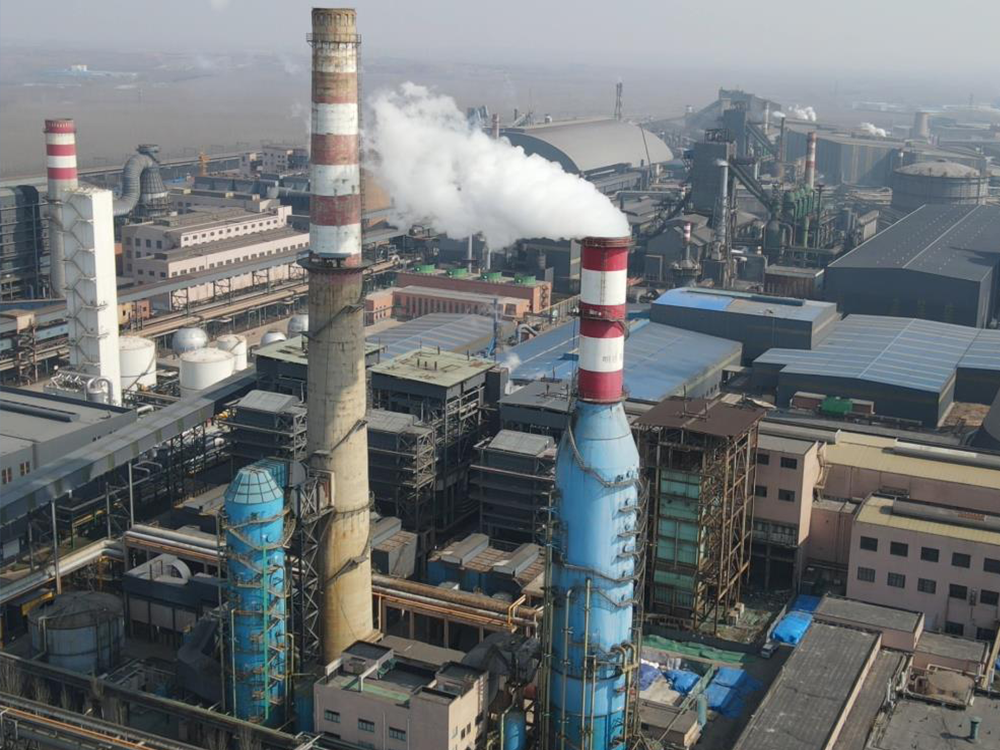
The steel industry is a cornerstone of global infrastructure development, yet it is also one of the largest industrial sources of sulfur dioxide (SO₂) emissions. Sintering plants, blast furnaces, and electric arc furnaces generate flue gases containing high levels of SO₂, nitrogen oxides (NOₓ), and particulate matter, which contribute to air pollution and environmental degradation. With increasingly strict emission regulations and the global push toward sustainability, steel producers must adopt advanced flue gas treatment technologies. Among these, ammonia-based flue gas desulfurization (FGD) has emerged as a highly effective, reliable, and economically viable solution.
Flue Gas Challenges in Steel Production
Steel production involves energy-intensive processes:
Sintering plants: Produce flue gases with high dust content, sulfur compounds, and variable NOₓ concentrations.
Blast furnaces and electric arc furnaces: Emit large volumes of flue gas with fluctuating sulfur and particulate loads.
The flue gases often exhibit variable temperatures, moisture levels, and flow rates, complicating pollutant control.
These characteristics make conventional desulfurization methods, such as limestone-gypsum FGD or soda ash-based systems, less flexible or more costly to operate. Ammonia-based FGD, with its rapid absorption kinetics and chemical versatility, provides a solution capable of handling complex flue gas streams while maintaining high efficiency.
Principle of Ammonia-Based FGD in Steel Plants
Ammonia-based FGD uses aqueous ammonia (NH₃) to neutralize sulfur dioxide in flue gases, forming ammonium salts such as ammonium sulfate and ammonium bisulfate. The process involves several steps:
Flue Gas Contact: Multi-stage spray towers or packed columns maximize contact between flue gas and ammonia solution.
Chemical Reaction: SO₂ dissolves into the ammonia solution, forming ammonium sulfite, which is subsequently oxidized to ammonium sulfate.
Byproduct Recovery: The ammonium sulfate solution is concentrated, crystallized, and dried to produce commercial-grade fertilizer.
Emission Control: Mist eliminators and multi-stage separation prevent ammonia slip, aerosol formation, and odor issues.
The chemical properties of ammonia allow high desulfurization efficiencies (95–99%), even under fluctuating flue gas compositions, making it suitable for steel operations.
Advantages of Ammonia-Based FGD in Steel Plants
1. Ultra-Low SO₂ Emissions
Industrial emission standards for steel plants are increasingly stringent. Ammonia-based FGD ensures outlet SO₂ concentrations consistently below 30 mg/Nm³, meeting ultra-low emission targets. Rapid chemical absorption allows the system to handle transient fluctuations in sulfur load, ensuring compliance even under variable operational conditions.
2. Resource Recovery and Byproduct Utilization
Ammonia-based FGD converts SO₂ into ammonium sulfate, which can be sold as high-quality fertilizer. For steel plants, which often operate on thin margins and face high waste treatment costs, this offers a valuable revenue stream and aligns with circular economy principles by transforming sulfur pollutants into marketable products.
3. Multi-Pollutant Control
Modern ammonia FGD systems are not limited to sulfur removal. Advanced configurations can also capture:
Particulate matter, including fine PM2.5, using mist eliminators and multi-stage separation.
Trace heavy metals, such as mercury, present in flue gases.
Nitrogen oxides (NOₓ) when integrated with SCR or SNCR systems.
This integrated approach reduces the need for multiple separate control devices, streamlining plant operations and lowering overall capital investment.
4. Lower Energy Consumption
Compared to traditional limestone-gypsum FGD, ammonia-based systems require lower liquid-to-gas ratios, reducing pumping energy. Optimized tower design and system pressure drop minimization decrease fan power consumption. The exothermic reaction of ammonia with SO₂ can also be harnessed to maintain process temperatures, further reducing energy losses.
5. Flexibility and Operational Stability
Steel plants experience highly variable flue gas volumes and temperatures due to batch production cycles, fuel changes, or load adjustments. Ammonia-based FGD systems can adapt to these fluctuations without compromising performance. Modular designs allow integration into both new and existing facilities with minimal disruption.
6. Safety and Environmental Advantages
Advanced ammonia-based systems use staged separation and mist control to minimize ammonia slip, prevent visible emissions, and reduce environmental impact. For plants located near urban areas, this not only ensures regulatory compliance but also improves community relations and corporate social responsibility.
Case Studies and Practical Applications
Several steel facilities have successfully implemented ammonia-based FGD:
Sintering Plants: Flue gas SO₂ levels reduced by 98%, with ammonium sulfate byproduct converted to fertilizer, offsetting disposal costs.
Blast Furnaces: Integrated ammonia FGD with SCR systems, achieving simultaneous SO₂ and NOₓ control, enhancing compliance and reducing maintenance complexity.
Electric Arc Furnaces: Handled fluctuating sulfur content while maintaining stable ultra-low emissions and minimizing system footprint.
These practical applications demonstrate the technology’s robustness, efficiency, and economic viability in large-scale steel operations.
Implementation Considerations for Steel Plants
For successful deployment, operators should consider:
Ammonia Supply: Secure a consistent source, either through onsite production or reliable external supply.
Integration with Existing Systems: Ensure compatibility with sinter plants, blast furnaces, or boiler exhausts.
Material Selection: Corrosion-resistant materials are critical for long-term operation.
Byproduct Handling: Proper crystallization, drying, and storage are necessary to produce marketable ammonium sulfate.
Maintenance and Monitoring: Regular inspection and maintenance ensure high efficiency and minimize operational disruptions.
Economic and Environmental Benefits
Ammonia-based FGD provides multiple tangible benefits:
Regulatory Compliance: Ensures ultra-low SO₂ emissions and supports broader environmental compliance initiatives.
Revenue Generation: By converting sulfur into ammonium sulfate fertilizer, plants can generate additional income.
Energy Savings: Reduced energy consumption compared to traditional FGD methods.
Operational Efficiency: Adaptable to fluctuating process conditions, reducing downtime and maintenance costs.
Sustainability: Supports circular economy goals by converting waste into valuable products and minimizing environmental footprint.
Conclusion
Ammonia-based flue gas desulfurization offers steel industry operators a highly effective, environmentally friendly, and economically advantageous solution for SO₂ control. Its flexibility, ultra-low emission capabilities, byproduct valorization, and energy efficiency make it a superior choice for facilities seeking sustainable operations.
By transforming sulfur emissions into commercially valuable ammonium sulfate, ammonia-based FGD aligns with global trends toward circular economy and resource recovery. Its ability to integrate with existing processes, handle complex flue gas streams, and maintain operational stability under variable conditions ensures long-term reliability. For steel operators aiming to meet stringent environmental standards while improving operational efficiency, ammonia-based FGD represents the strategic technology of choice, providing both regulatory compliance and tangible economic benefits.