 EN
EN


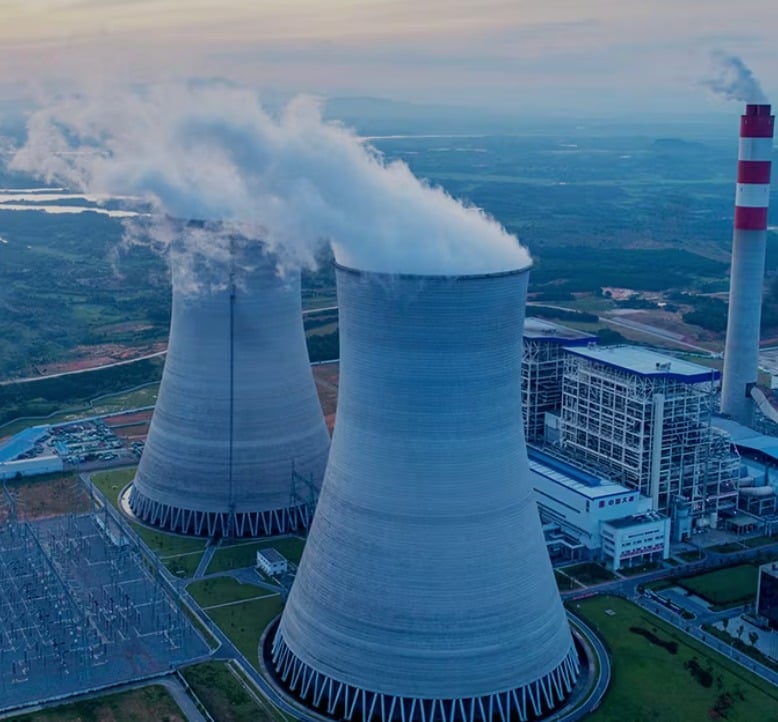
The global steel industry is undergoing one of the most significant environmental transformations in its history. As governments introduce stricter air pollution regulations and customers place greater emphasis on sustainable manufacturing, steel producers are investing heavily in cleaner production technologies. Among the various environmental upgrades taking place, flue gas desulfurization (FGD) has become a critical component of modern steel plant operations.
Steel production is an energy-intensive process that generates sulfur dioxide (SO₂), nitrogen oxides (NOₓ), particulate matter, and other air pollutants. While many steel plants have already implemented emission control systems, tightening regulations and the introduction of ultra-low emission standards are driving a new wave of technology upgrades.
Choosing the right desulfurization technology is no longer simply about achieving compliance. Plant owners must also consider operating costs, water consumption, installation space, by-product utilization, system reliability, and long-term environmental performance.
Among today’s available solutions, ammonia-based flue gas desulfurization has become an increasingly attractive option for steel plants seeking efficient sulfur dioxide removal while improving operational sustainability.
Why Steel Plants Face Unique Desulfurization Challenges
Unlike conventional coal-fired power plants, steel mills operate multiple production units, each producing flue gas with different characteristics.
Typical emission sources include:
Blast furnaces
Sintering machines
Pelletizing plants
Coke oven gas boilers
Reheating furnaces
Power generation units
Each process generates flue gas with different sulfur dioxide concentrations, temperatures, moisture content, and dust levels.
These varying operating conditions require flexible desulfurization technologies capable of maintaining stable performance across changing production loads.
In addition, many steel plants were constructed years or even decades ago. Space available for installing new environmental equipment is often extremely limited, making large conventional FGD systems difficult to accommodate.
Environmental Regulations Continue to Become More Stringent
Around the world, environmental authorities are tightening emission standards for heavy industries.
Countries in Asia, the Middle East, Eastern Europe, and other developing industrial regions are introducing increasingly strict requirements for sulfur dioxide emissions.
At the same time, regulators are expanding their attention beyond conventional pollutants.
Today, environmental compliance increasingly includes:
Sulfur dioxide (SO₂)
Nitrogen oxides (NOₓ)
Particulate matter
Ammonia slip
Condensable particulate matter (CPM)
Wastewater discharge
Carbon emissions
For steel producers, environmental investments must therefore provide long-term flexibility capable of meeting future regulations as well as today’s standards.
Limitations of Conventional Limestone-Gypsum FGD
Limestone-gypsum FGD has been successfully applied in many large industrial facilities for decades.
It remains a reliable technology for numerous applications.
However, for many steel plants, conventional limestone systems present several practical challenges.
Large absorber towers and slurry preparation equipment require significant installation space.
Gypsum dewatering systems increase equipment complexity.
Desulfurization wastewater requires additional treatment facilities.
Maintenance requirements are relatively high because of scaling, slurry circulation, and multiple auxiliary systems.
In regions where gypsum demand is limited, by-product disposal may become an operational challenge.
These factors do not necessarily make limestone FGD unsuitable, but they encourage many steel producers to evaluate alternative technologies that better match modern operating requirements.
Why Ammonia-Based Desulfurization Is Gaining Attention
Ammonia-based desulfurization offers several characteristics that are particularly valuable for steel plants.
Instead of using limestone as the absorbent, the system utilizes ammonia to absorb sulfur dioxide.
The reaction produces ammonium sulfate, a commercially valuable fertilizer that can be sold or utilized as an industrial raw material.
This transforms sulfur dioxide from an emission requiring treatment into a recoverable resource.
For steel companies seeking both environmental compliance and improved operating economics, this represents a significant advantage.
High SO₂ Removal Efficiency
One of the primary reasons steel plants adopt ammonia-based desulfurization is its excellent sulfur dioxide removal performance.
Modern systems routinely achieve desulfurization efficiencies above 95%.
Optimized engineering designs can exceed 99% under suitable operating conditions.
Stable removal efficiency helps steel plants maintain compliance even when production loads fluctuate.
Because steel manufacturing often experiences variable operating conditions, maintaining consistent environmental performance is essential.
Compact Design Simplifies Retrofit Projects
Many steel plants have limited available land for environmental upgrades.
Installing a conventional wet limestone system may require major civil construction work.
Ammonia-based systems generally occupy a smaller footprint because they eliminate several auxiliary process units associated with limestone technology.
Their modular configuration also simplifies installation.
For existing steel mills planning environmental upgrades without major production interruptions, compact system design becomes an important advantage.
Eliminating Desulfurization Wastewater
Water conservation has become an important consideration across the steel industry.
Conventional wet desulfurization technologies typically generate wastewater that requires complex treatment before discharge.
Wastewater treatment facilities increase investment costs, consume additional energy, and require continuous maintenance.
Modern ammonia-based desulfurization systems can be designed without generating desulfurization wastewater, simplifying environmental management while reducing water consumption.
For steel producers operating in regions with limited water resources, this advantage can significantly improve long-term sustainability.
Turning Environmental Investment into Economic Value
Environmental protection has traditionally been viewed as a necessary cost.
Ammonia-based desulfurization changes this perspective.
The ammonium sulfate produced during sulfur dioxide removal has established commercial applications in agriculture.
Instead of disposing of waste by-products, steel plants can recover value from sulfur emissions.
Although economic returns vary according to regional fertilizer markets, resource recovery improves the overall financial performance of many desulfurization projects.
This aligns closely with the principles of the circular economy, where waste materials become valuable resources.
Advanced Control of Ammonia Slip and CPM
Earlier generations of ammonia-based desulfurization systems often raised concerns regarding ammonia slip.
Today, process improvements have significantly enhanced environmental performance.
MirShine has developed proprietary staged separation and purification technology that helps control ammonia slip while reducing condensable particulate matter.
This coordinated approach addresses emerging environmental requirements that increasingly focus on secondary pollutants rather than sulfur dioxide alone.
As regulatory agencies continue strengthening PM2.5 control strategies, advanced ammonia slip and CPM control are becoming important competitive advantages.
Lower Lifecycle Operating Costs
When evaluating environmental projects, focusing only on equipment purchase price provides an incomplete picture.
Long-term operating costs usually represent the largest portion of total project expenditure.
Ammonia-based desulfurization can reduce lifecycle costs through:
Reduced water consumption
No desulfurization wastewater treatment
Compact equipment layout
Lower maintenance requirements
Revenue from ammonium sulfate recovery
Efficient reagent utilization
Every project should include a comprehensive lifecycle cost analysis rather than comparing only initial investment.
Supporting Carbon Reduction and Sustainable Manufacturing
Steel manufacturers worldwide are working toward lower carbon emissions and more sustainable production methods.
While desulfurization itself does not directly eliminate carbon dioxide, ammonia-based FGD contributes to broader sustainability objectives.
Resource recovery reduces waste generation.
Water conservation supports responsible resource management.
Ammonium sulfate production promotes sulfur recycling.
Advanced emission control improves overall environmental performance.
These benefits help steel companies strengthen their ESG performance while preparing for future environmental policies.
Choosing the Right Technology Partner
Technology selection extends beyond choosing an FGD process.
The experience of the engineering partner is equally important.
Successful projects require expertise in:
Process engineering
Equipment manufacturing
Automation systems
Installation
Commissioning
Operator training
Long-term technical support
An experienced supplier understands the unique operating conditions of steel plants and can tailor system design accordingly.
MirShine has accumulated extensive engineering experience across industries including steel production, coking, thermal power generation, coal chemical processing, and industrial boilers.
Through continuous technological innovation, the company remains committed to delivering reliable, efficient, and sustainable flue gas treatment solutions.
Looking Ahead
The future of industrial air pollution control will focus on more than simply removing sulfur dioxide.
Steel plants will increasingly need integrated environmental solutions capable of controlling multiple pollutants while reducing operating costs and improving resource efficiency.
Technologies that combine high desulfurization efficiency with wastewater reduction, ammonia slip control, condensable particulate matter management, and by-product recovery will play an increasingly important role.
Ammonia-based desulfurization is well positioned to meet these evolving industry requirements.
As environmental standards continue to rise, steel manufacturers investing in advanced flue gas treatment technologies today will be better prepared for tomorrow’s regulatory and sustainability challenges.
Conclusion
The steel industry is entering a new era of environmental responsibility.
Meeting ultra-low emission standards requires technologies that deliver more than regulatory compliance.
Ammonia-based desulfurization offers steel plants an effective combination of high sulfur dioxide removal efficiency, compact design, zero desulfurization wastewater, valuable by-product recovery, and advanced control of secondary pollutants.
For steel producers seeking long-term environmental and economic performance, ammonia FGD represents a forward-looking solution that supports cleaner production, resource efficiency, and sustainable industrial development.
Frequently Asked Questions
Why do steel plants need flue gas desulfurization?
Steel production generates sulfur dioxide during multiple manufacturing processes. FGD systems reduce SO₂ emissions to comply with environmental regulations and improve air quality.
Is ammonia-based desulfurization suitable for steel mills?
Yes. Its compact layout, high desulfurization efficiency, and ability to recover ammonium sulfate make it well suited for steel plants, especially retrofit projects.
What is the main advantage of ammonia-based FGD over limestone FGD?
The main advantages include zero desulfurization wastewater, valuable ammonium sulfate production, reduced installation space, and lower lifecycle operating costs in many applications.
Can ammonia-based FGD control ammonia slip?
Yes. Modern systems equipped with advanced process optimization and technologies such as staged separation and purification can effectively minimize ammonia slip.
Does ammonia-based desulfurization generate useful by-products?
Yes. The process converts sulfur dioxide into ammonium sulfate, which is widely used as a nitrogen-sulfur fertilizer.
Is ammonia-based desulfurization suitable for existing steel plants?
Absolutely. Its modular design and compact footprint make it an excellent choice for upgrading existing facilities with limited available space.
How does ammonia-based FGD support sustainable steel production?
It reduces sulfur dioxide emissions, conserves water, enables resource recovery, minimizes waste generation, and helps steel producers achieve long-term environmental and sustainability goals.
Table of Contents
- Why Steel Plants Face Unique Desulfurization Challenges
- Environmental Regulations Continue to Become More Stringent
- Limitations of Conventional Limestone-Gypsum FGD
- Why Ammonia-Based Desulfurization Is Gaining Attention
- High SO₂ Removal Efficiency
- Compact Design Simplifies Retrofit Projects
- Eliminating Desulfurization Wastewater
- Turning Environmental Investment into Economic Value
- Advanced Control of Ammonia Slip and CPM
- Lower Lifecycle Operating Costs
- Supporting Carbon Reduction and Sustainable Manufacturing
- Choosing the Right Technology Partner
- Looking Ahead
- Conclusion
-
Frequently Asked Questions
- Why do steel plants need flue gas desulfurization?
- Is ammonia-based desulfurization suitable for steel mills?
- What is the main advantage of ammonia-based FGD over limestone FGD?
- Can ammonia-based FGD control ammonia slip?
- Does ammonia-based desulfurization generate useful by-products?
- Is ammonia-based desulfurization suitable for existing steel plants?
- How does ammonia-based FGD support sustainable steel production?