 EN
EN


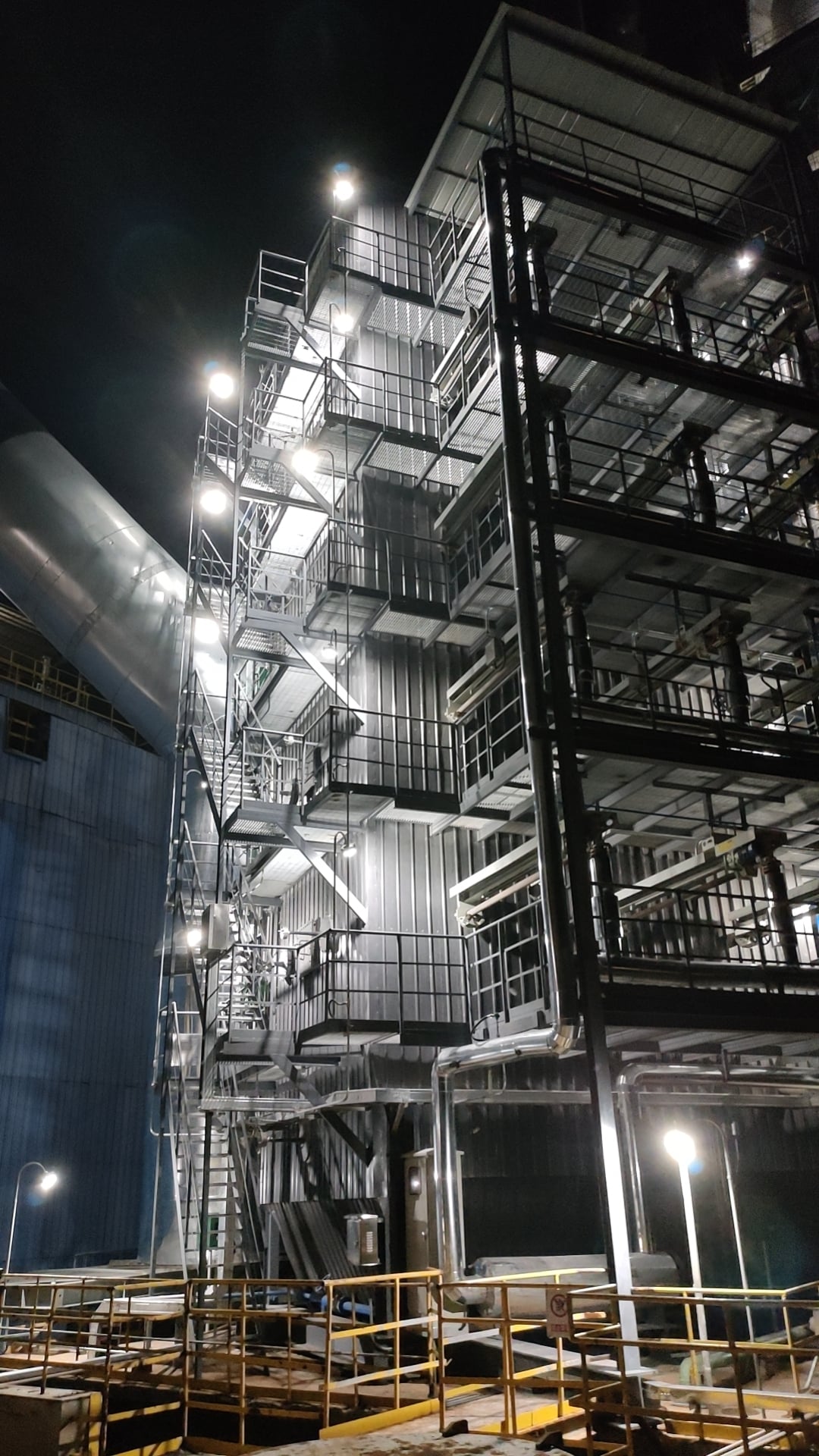
Focus Keywords: SCR denitrification system, industrial SCR system, SCR system supplier, selective catalytic reduction, flue gas denitrification
Meta Description: Learn how SCR denitrification systems reduce NOx emissions from power plants, steel mills, cement plants, chemical facilities, and other industrial sources. MirShine provides customized SCR solutions and retrofit services.
Why NOx Control Has Become a Key Issue for Industrial Plants
Nitrogen oxides, commonly referred to as NOx, are produced whenever fuels or other materials are burned at high temperatures. Boilers, furnaces, kilns, gas turbines, waste incinerators, and many other industrial processes can generate significant amounts of NOx.
For industrial operators, NOx control is no longer simply an environmental issue. It can directly affect whether a plant can meet its operating permit and local emission requirements.
Many older industrial facilities were designed according to emission standards that were applicable when they were built. As regulations have become more demanding, some of these plants need to upgrade their existing flue gas treatment systems without replacing the main production equipment.
This is one of the main reasons why SCR denitrification technology continues to attract attention in the international industrial market.
Selective Catalytic Reduction, or SCR, is a mature technology for removing NOx from flue gas. By using ammonia or an ammonia-based reducing agent together with a catalyst, SCR converts NOx into nitrogen and water.
For plants requiring high NOx removal efficiency, SCR can provide a more reliable solution than combustion optimization or non-catalytic reduction alone.
How Does an SCR Denitrification System Work?
The basic SCR process is relatively straightforward, but achieving stable performance requires careful engineering.
First, a reducing agent such as ammonia or ammonia water is prepared and supplied to the injection system. The reducing agent is then introduced into the flue gas through an ammonia injection grid.
The ammonia must be distributed evenly across the flue gas duct. If some areas receive too much ammonia while others receive too little, the SCR reactor cannot operate efficiently.
After mixing, the flue gas enters the SCR reactor.
Inside the reactor, catalyst modules provide the surface needed for the NOx reduction reactions. Under suitable temperature conditions, ammonia reacts with nitrogen oxides and produces nitrogen and water.
The simplified reaction can be expressed as:
NOx + NH₃ → N₂ + H₂O
The actual reaction mechanism is more complex and depends on the composition of the flue gas and the catalyst formulation, but the basic objective is the same: remove NOx without creating another major pollutant.
What Equipment Is Included in an Industrial SCR System?
An SCR system is not simply a reactor filled with catalyst. A complete industrial installation normally includes several interconnected systems.
Ammonia Storage and Preparation
The reducing agent needs to be stored and supplied safely and consistently. Depending on the project, ammonia water, liquid ammonia, or another ammonia-based source may be used.
The storage and preparation system must be designed according to the selected reducing agent and local safety requirements.
Ammonia Injection System
The ammonia injection system controls how the reducing agent enters the flue gas.
The ammonia injection grid is particularly important because uniform distribution directly affects NOx removal efficiency and ammonia slip.
SCR Reactor
The reactor contains the catalyst modules and provides the required reaction space.
Its design depends on flue gas flow rate, temperature, pressure, dust concentration, catalyst characteristics, and the required NOx removal efficiency.
Catalyst
Catalyst selection is one of the most important engineering decisions.
Industrial flue gas can contain dust, sulfur compounds, alkali metals, heavy metals, and other substances that may affect catalyst activity.
For this reason, the catalyst cannot be selected simply according to the required NOx removal rate. Actual operating conditions must be considered.
Control and Monitoring System
Modern SCR systems normally monitor parameters such as NOx concentration, flue gas temperature, ammonia injection rate, and ammonia slip.
The control system adjusts ammonia injection according to changing operating conditions, helping maintain stable emissions without unnecessary ammonia consumption.
SCR Applications in Different Industries
SCR technology is used across many industries, but the design is not identical from one application to another.
Power Plants
Coal-fired and gas-fired power plants have large flue gas volumes and continuous operating schedules.
SCR systems can be installed on new boilers or added to existing plants as part of an SCR retrofit project.
Steel Plants
Steel production includes sintering, reheating, and other high-temperature processes that can generate NOx.
Because steel plants often have multiple emission sources, the appropriate solution needs to be determined according to each process.
Cement Plants
Cement kiln flue gas contains significant dust and may have complicated temperature characteristics.
SCR design for cement applications therefore needs to address catalyst protection, dust loading, temperature management, and pressure loss.
Waste-to-Energy Plants
Waste incineration produces a complex flue gas containing moisture, dust, acidic compounds, and other pollutants.
SCR can be incorporated into the overall flue gas treatment process to achieve additional NOx reduction.
Chemical and Petrochemical Plants
Process heaters, boilers, and other combustion equipment in chemical facilities can also require NOx control.
For these applications, the SCR system is normally designed around the actual process conditions rather than based on a standard package.
SCR Retrofit for Existing Industrial Facilities
A new plant offers engineers considerable freedom when arranging an SCR system. Retrofit projects are different.
The existing plant may already have:
Fixed boiler and furnace positions
Existing flue gas ducts
Limited space
Existing fans
Structural restrictions
Other pollution control equipment
The SCR reactor therefore needs to fit into an existing process.
Before starting an SCR retrofit project, engineering teams normally need information about the existing flue gas flow rate, NOx concentration, temperature, dust concentration, SO₂ concentration, oxygen content, pressure, and operating range.
The existing layout is equally important.
In some projects, the main challenge is not the SCR reaction itself but finding an appropriate location for the reactor and connecting it with the existing ductwork without creating excessive pressure loss.
MirShine's Approach to SCR Projects
MirShine Environmental Group provides industrial flue gas treatment solutions covering SCR denitrification, desulfurization, dust removal, and related systems.
For SCR projects, the engineering approach starts with the customer's actual operating conditions.
Rather than treating every boiler, furnace, or kiln as the same, the design considers the specific flue gas characteristics, emission target, available space, operating schedule, and existing pollution control equipment.
This approach is particularly important for retrofit projects, where the new SCR system must work together with equipment that has already been operating for years.
MirShine can support customers with process design, equipment manufacturing, system integration, project coordination, and technical support.
Looking Beyond NOx Removal
An SCR system should not be evaluated only by its initial NOx removal efficiency.
For a plant operator, long-term performance also matters.
Important questions include:
How much ammonia will the system consume?
What will the pressure drop be?
How long can the catalyst remain active?
How will catalyst replacement be handled?
How much maintenance space is available?
Can the system accommodate changes in boiler load?
A properly engineered SCR system needs to balance these factors rather than optimize only one parameter.
Conclusion
SCR remains one of the most established technologies for high-efficiency industrial NOx reduction.
Its effectiveness, however, depends on more than installing a catalyst reactor. Ammonia distribution, temperature, catalyst selection, flue gas characteristics, pressure loss, and control strategy all affect the final result.
For new facilities and existing plant upgrades, MirShine develops customized SCR denitrification solutions based on actual process conditions.
By combining engineering design with equipment manufacturing and broader flue gas treatment experience, MirShine supports industrial customers looking for practical and reliable NOx control solutions.
Frequently Asked Questions
What is an SCR denitrification system?
An SCR denitrification system uses ammonia or an ammonia-based reducing agent and a catalyst to convert NOx in industrial flue gas into nitrogen and water.
What is the typical NOx removal efficiency of SCR?
A properly designed SCR system can achieve high NOx removal efficiency, with the actual performance depending on inlet NOx concentration, temperature, catalyst, ammonia distribution, and operating conditions.
What reducing agent is used in SCR?
Common options include ammonia and ammonia water. The appropriate option depends on the plant's infrastructure, safety requirements, availability, and operating conditions.
Can SCR be installed in an existing plant?
Yes. SCR retrofit systems are widely used to upgrade existing boilers, furnaces, kilns, and other industrial facilities.
What information is required for SCR design?
Typical design information includes flue gas flow rate, temperature, NOx concentration, dust concentration, SO₂ concentration, oxygen content, pressure, and required outlet emission limits.
How long does an SCR catalyst last?
Catalyst life varies according to operating conditions and flue gas composition. Dust, sulfur compounds, alkali metals, heavy metals, temperature, and operating hours can all affect catalyst activity.
Can SCR be combined with desulfurization?
Yes. SCR can be integrated with desulfurization and dust removal systems as part of a comprehensive flue gas treatment system.
Why choose MirShine for an SCR project?
MirShine provides customized industrial flue gas treatment solutions, including engineering design, equipment manufacturing, system integration, and technical support for new installations and retrofit projects.
Table of Contents
- Why NOx Control Has Become a Key Issue for Industrial Plants
- How Does an SCR Denitrification System Work?
- What Equipment Is Included in an Industrial SCR System?
- SCR Applications in Different Industries
- SCR Retrofit for Existing Industrial Facilities
- MirShine's Approach to SCR Projects
- Looking Beyond NOx Removal
- Conclusion
-
Frequently Asked Questions
- What is an SCR denitrification system?
- What is the typical NOx removal efficiency of SCR?
- What reducing agent is used in SCR?
- Can SCR be installed in an existing plant?
- What information is required for SCR design?
- How long does an SCR catalyst last?
- Can SCR be combined with desulfurization?
- Why choose MirShine for an SCR project?