 EN
EN


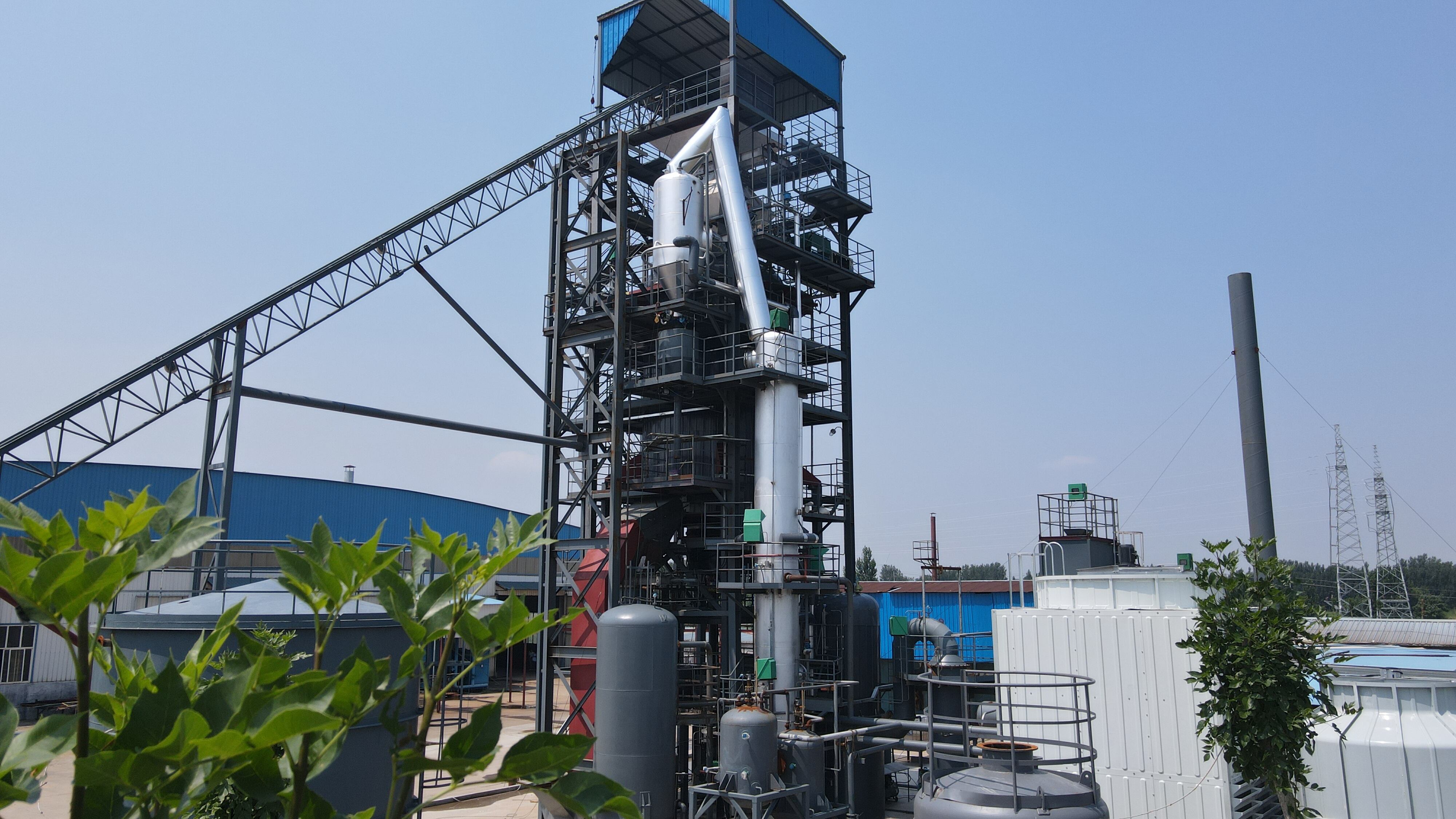
Introduction
The rapid growth of the global automotive industry has led to a significant increase in the number of end-of-life tires generated every year. Disposing of these waste tires has become a major environmental challenge for many countries.
Traditional disposal methods such as landfilling and open burning are increasingly restricted due to environmental risks and safety concerns. As a result, industries and governments are searching for sustainable recycling solutions.
Waste tire pyrolysis has emerged as an effective technology for converting scrap tires into useful resources while reducing environmental impact.
What Is Tire Pyrolysis?
Tire pyrolysis is a thermal decomposition process that breaks down waste tires in an oxygen-free environment at high temperatures.
During this process, rubber polymers are decomposed into several valuable products, including:
Pyrolysis oil
Recovered carbon black
Steel wire
Combustible gas
These materials can be reused in various industries, making pyrolysis a resource-efficient recycling method.
Environmental Benefits
One of the most important advantages of tire pyrolysis is its environmental impact.
Waste tires are difficult to degrade naturally and can occupy large landfill areas. Tire fires are also extremely difficult to extinguish and release toxic smoke.
Pyrolysis technology helps address these issues by converting waste tires into reusable materials rather than allowing them to accumulate in landfills.
Properly designed pyrolysis plants also include emission control systems to minimize air pollution.
Valuable Products from Pyrolysis
Each component produced during tire pyrolysis has potential economic value.
Pyrolysis oil can be used as an alternative fuel in industrial boilers and furnaces. With additional refining, it can also serve as a feedstock for chemical production.
Recovered carbon black can be used in rubber products, pigments, and construction materials.
Steel wire recovered from tires can be recycled in the steel industry.
Non-condensable gas produced during the process can be reused to fuel the pyrolysis reactor itself, improving overall energy efficiency.
Economic Potential
The economic viability of waste tire pyrolysis depends on several factors, including feedstock availability, product markets, and plant efficiency.
In many regions, waste tire processing facilities receive tipping fees for accepting scrap tires. Combined with revenue from recovered products, this can create attractive project economics.
Advances in reactor design and process control have also improved product yields and operational stability, making modern pyrolysis plants more reliable than earlier systems.
Technical Considerations
Successful pyrolysis projects require careful engineering and process design.
Important factors include:
Reactor technology
Temperature control
Gas purification systems
Product separation and storage
Continuous or semi-continuous pyrolysis systems are often preferred for large-scale industrial applications because they offer higher throughput and consistent product quality.
Future Outlook
As global attention on sustainable waste management grows, waste tire pyrolysis is expected to play an increasingly important role in the circular economy.
By converting waste into valuable resources, pyrolysis technology helps reduce environmental pollution while creating economic opportunities.
For regions facing growing waste tire challenges, pyrolysis offers a practical path toward sustainable recycling and resource recovery.