 EN
EN


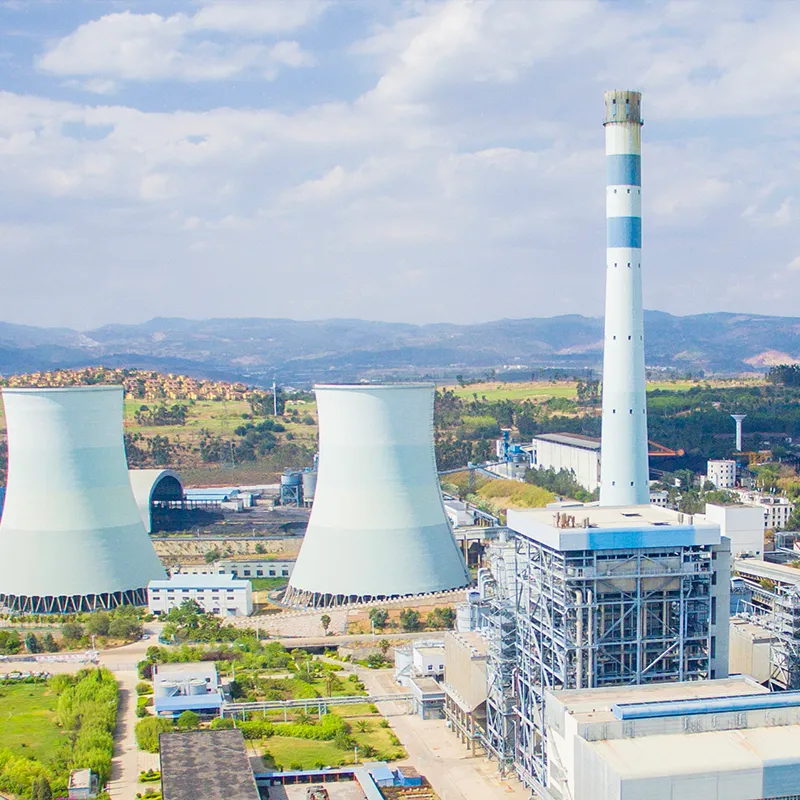
1. Проблемы десульфуризации на нефтехимических заводах
Нефтехимические комплексы функционируют в одних из самых сложных условиях отходящих газов в промышленном секторе. В отличие от традиционных электростанций, нефтехимические предприятия состоят из множества источников выбросов , включая нагреватели, печи, котлы, установки регенерации серы (SRU), установки производства водорода и различные системы отходящих газов. Каждый агрегат генерирует отходящие газы с различными температурами, концентрациями серы, уровнями влажности и профилями примесей .
Типичные проблемы, с которыми сталкиваются эксплуатационные службы нефтехимических предприятий:
Колебания концентрации SO₂ из-за изменчивого качества исходного сырья
Высокое содержание влаги и коррозионных компонентов в отходящих газах
Ограниченное пространство для модернизации существующих объектов
Строгие лимиты выбросов, обусловленные экологическими нормами и обязательствами в области ЭСУ (экология, социальная ответственность, управление)
Высокие требования к долгосрочной эксплуатационной стабильности
Традиционные технологии десульфуризации, такие как мокрая очистка дымовых газов известняково-гипсовым способом (FGD) или натриевые системы, технически способны соответствовать нормативам по выбросам, однако зачастую сталкиваются с трудностями, связанными с высокими эксплуатационными затратами, образованием отложений и управлением побочными отходами при применении в сложных нефтехимических средах.
В результате нефтехимические компании всё чаще рассматривают аммиачную десульфуризацию дымовых газов (Ammonia FGD) в качестве более адаптивного и экономически устойчивого решения.
2. Почему для дымовых газов нефтехимических производств требуется иной подход к десульфуризации
Дымовые газы нефтехимических производств принципиально отличаются от дымовых газов угольных электростанций по нескольким параметрам:
Низкое, но сильно колеблющееся содержание серы
Более высокие требования к интеграции процессов
Большая чувствительность к перепаду давления и простою системы
Многие нефтеперерабатывающие установки работают непрерывно, и даже кратковременные остановки могут привести к значительным потерям производства. Поэтому любая система десульфуризации должна обеспечивать:
Быстрый отклик на изменение нагрузки
Стабильную работу в условиях колеблющихся эксплуатационных параметров
Минимальное вмешательство в работу существующих технологических установок
Аммиачная десульфуризация отвечает этим требованиям за счёт реакций в жидкой фазе с высокой эффективностью массопередачи , что обеспечивает быстрое поглощение серы даже при изменяющихся параметрах газового потока.
3. Принцип работы аммиачной десульфуризации в нефтеперерабатывающих производствах
В системе десульфурации на основе аммиака SO₂ в дымовых газах реагирует с аммиачным раствором с образованием сульфита аммония и сульфата аммония. При надлежащем контроле окисления конечным продуктом является высокочистый сульфат аммония сульфат аммония — широко используемое азотное удобрение.
Ключевые преимущества реакции включают:
Высокую скорость химической реакции
Высокую эффективность удаления серы даже при низких концентрациях SO₂
Стабильную работу в широком диапазоне температур
Для нефтеперерабатывающих и нефтехимических предприятий аммиак зачастую легкодоступными уже имеется в наличии в рамках существующих технологических процессов или логистических систем, что упрощает интеграцию.
4. Ключевые преимущества аммиачной технологии FGD для нефтехимических предприятий
4.1 Высокая эффективность десульфурации с обеспечением сверхнизких выбросов
Современные аммиачные системы могут достигать Эффективности удаления SO₂ свыше 98% , что обеспечивает концентрации выбросов на выходе значительно ниже международных предельных значений. Это делает аммиачную десульфуризацию подходящей не только для соблюдения действующих требований, но и для будущего ужесточения экологических норм .
4.2 Отсутствие необходимости в утилизации твёрдых отходов
В отличие от систем на основе известняка, которые генерируют большие объёмы гипса, требующего утилизации или продажи на стороне, аммиачная десульфуризация производит рыночный сульфат аммония . Таким образом, процесс десульфуризации трансформируется из статьи затрат в процесс извлечения ресурсов .
Для операторов нефтегазохимических предприятий, ориентированных на принципы циркулярной экономики, это преимущество особенно привлекательно.
4.3 Более низкие эксплуатационные расходы в течение жизненного цикла проекта
Хотя аммиачные системы могут требовать тщательного проектирования и контроля, их общая стоимость жизненного цикла часто ниже, чем у традиционных альтернатив, благодаря следующим факторам:
Сниженное потребление реагентов
Минимальное образование накипи и отложений
Меньшая частота обслуживания
Доход от продажи побочных продуктов
В крупных нефтехимических комплексах эти экономия становятся всё более значительными при длительной эксплуатации.
4.4 Высокая адаптивность к сложным условиям дымовых газов
Дымовые газы нефтехимических производств могут содержать:
Следовые количества углеводородов
Кислые компоненты
Мелкие частицы
Современные аммиачные системы включают многоступенчатое газожидкостное разделение и очистку , обеспечивая стабильную работу без вторичного загрязнения, например, образования аэрозолей или видимых выбросов.
5. Решение традиционных проблем, связанных с аммиачной десульфуризацией
Исторически некоторые нефтехимические компании проявляли осторожность при внедрении аммиачной десульфуризации из-за следующих опасений:
Утечка аммиака
Образование аэрозолей
Риски коррозии
Однако современные инженерные решения в значительной степени устранили эти проблемы.
Используются передовые системы:
Точное регулирование подачи аммиака
Многоступенчатые уловители тумана
Оптимизированное окисление и управление pH
В результате проскок аммиака может быть контролируемым на уровне ниже 1 мг/Нм³ , при этом образование аэрозолей эффективно подавляется.
6. Интеграция с существующей нефтехимической инфраструктурой
Одним из самых сильных преимуществ десульфуризации флue-газов с использованием аммиака является его совместимость с существующими нефтехимическими системами .
Её можно интегрировать с:
Установками утилизации тепла отходящих газов
Системы очистки отходящих газов
Центральные установки для очистки дымовых газов
Относительно низкое падение давления в абсорберах на основе аммиака обеспечивает минимальное влияние на технологические блоки, расположенные выше по потоку, что является критически важным фактором при непрерывном производстве в нефтехимической промышленности.
7. Экологические и ESG-преимущества
С точки зрения ESG-критериев десульфуризация на основе аммиака способствует достижению нескольких целей устойчивого развития:
Значительное сокращение выбросов серы
Превращение загрязняющих веществ в ценные продукты
Снижение объёмов образования твёрдых отходов
Повышение общей ресурсоэффективности
Эти преимущества помогают нефтехимическим компаниям укреплять свою экологическую репутацию, сохраняя при этом операционную конкурентоспособность.
8. Долгосрочное решение для нефтехимической промышленности
Поскольку нефтехимические предприятия сталкиваются с растущим давлением по сокращению выбросов без ущерба для производительности, десульфуризация на основе аммиака предлагает сбалансированное решение которое сочетает экологическую эффективность, экономическую целесообразность и эксплуатационную надёжность.
Благодаря постоянному технологическому совершенствованию аммиачная технология мокрой очистки дымовых газов (FGD) перестала быть экспериментальным вариантом — это зрелая и проверенная технология подходящая для крупномасштабных нефтехимических применений по всему миру.
Table of Contents
- 1. Проблемы десульфуризации на нефтехимических заводах
- 2. Почему для дымовых газов нефтехимических производств требуется иной подход к десульфуризации
- 3. Принцип работы аммиачной десульфуризации в нефтеперерабатывающих производствах
- 4. Ключевые преимущества аммиачной технологии FGD для нефтехимических предприятий
- 5. Решение традиционных проблем, связанных с аммиачной десульфуризацией
- 6. Интеграция с существующей нефтехимической инфраструктурой
- 7. Экологические и ESG-преимущества
- 8. Долгосрочное решение для нефтехимической промышленности