 EN
EN



طاقت کے اسٹیشنوں پر انتہائی کم اخراج حاصل کرنے کے لیے بڑھتے ہوئے دباؤ
گذشتہ دہائی کے دوران، عالمی منڈیوں میں طاقت کے اسٹیشنوں کے اخراج کو منظم کرنے والے ماحولیاتی قوانین کافی سخت ہو گئے ہیں۔ کوئلہ سے چلنے والے طاقت کے اسٹیشن، صنعتی بوائلرز اور ذاتی طاقت کی اکائیاں اب سلفر ڈائی آکسائیڈ (SO₂) کے اخراج کی سخت حدود کے مطابق کام کرنے پر مجبور ہیں، جو اکثر 35 ملی گرام/Nm³ سے کم ہوتی ہے اور کچھ علاقوں میں اس سے بھی کم۔
نتیجے کے طور پر، دھوئیں کی گیس کے ڈی سلفورائزیشن (FGD) نظام ماحولیاتی اضافیات کے اختیاری جزو سے نکل کر بجلی گھر کے ڈیزائن اور طویل المدتی آپریشن کی حکمت عملی کے بنیادی اجزاء بن گئے ہیں۔ آج کل ڈی سلفورائزیشن کی ٹیکنالوجی کا انتخاب صرف تعمیل کی ضروریات کی بنیاد پر نہیں کیا جاتا، بلکہ یہ درج ذیل عوامل پر بھی منحصر ہے: آپریشنل استحکام، زندگی چکر کی لاگت، توانائی کی کارکردگی، اور ثانوی مصنوعات کا انتظام .
دستیاب تقینی راستوں میں سے، امونیا پر مبنی ڈی سلفورائزیشن بجلی گھروں کے لیے ماحولیاتی کارکردگی اور معاشی پائیداری کے درمیان متوازن حل تلاش کرنے کے تناظر میں دوبارہ توجہ حاصل کر رہی ہے۔
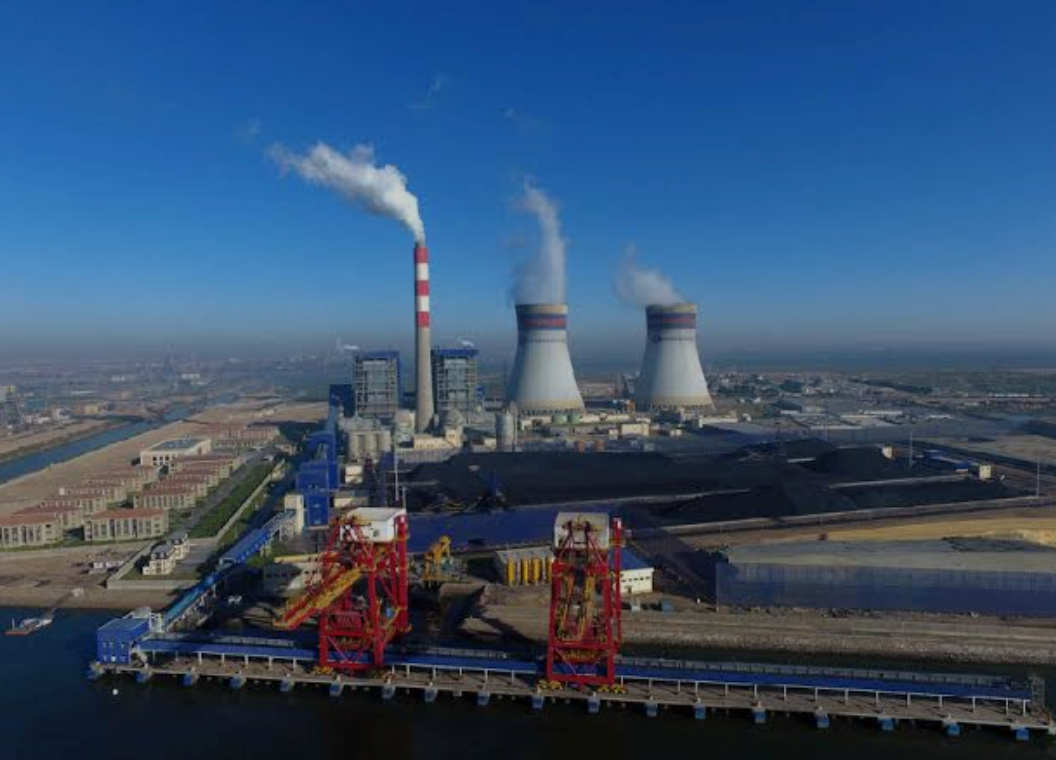
بجلی گھروں میں دھوئیں کی گیس کی خصوصیات اور ان کا ٹیکنالوجی کے انتخاب پر اثر
بجلی گھر کی دھوئیں کی گیس ایک منفرد چیلنجز کے مجموعے کی نمائندگی کرتی ہے۔ بڑی گیس کی مقدار، لوڈ کی حالت میں تبدیلی، ایندھن میں سلفور کی مقدار میں تبدیلی، اور مسلسل اور مستحکم آپریشن کی ضرورت — تمام اس بات کو یقینی بناتی ہے کہ ڈی سلفورائزیشن کے نظام پر بہت زیادہ مطالبہ عائد ہوتا ہے۔
عام کوئلہ سے چلنے والے بجلی گھر کی دھوئیں کی گیس کی خصوصیات:
بلند بہاؤ کی شرح اور مسلسل آپریشن
SO₂ کی ساندراں جو ایندھن کی معیار اور لوڈ کے مطابق تبدیل ہوتی ہیں
بہت باریک ذرات اور تیزابی اجزاء
ESP، SCR سسٹم اور اسٹیک جیسے اگلے مرحلے کے آلات کے ساتھ گہرا ربط
ان حالات میں، ڈی سلفرائزیشن سسٹم کو فراہم کرنا ضروری ہے اونچی کارکردگی بغیر کاروائی کے خطرات کے ، زیادہ توانائی کے استعمال یا ثانوی آلودگی کے۔
روایتی چونے کے پتھر اور جِپسم کا FGD طریقہ کار لمبے عرصے سے منڈی میں غالب رہا ہے کیونکہ یہ قائم شدہ اور اپنی موثر کارکردگی کے لیے مشہور ہے۔ تاہم، اس کی کمیاں—جیسے معاون بجلی کا زیادہ استعمال، سسٹم کا بڑا رقبہ، اسکیلنگ کے خطرات، اور جِپسم کی تربیت کا دباؤ—نے بہت سے آپریٹرز کو متبادل ٹیکنالوجیوں کا دوبارہ جائزہ لینے پر مجبور کر دیا ہے، خاص طور پر ریٹروفٹ منصوبوں یا ان پلانٹس کے لیے جو طویل المدتی لاگت کی بہتری کی تلاش میں ہیں۔
امونیا پر مبنی ڈی سلفرائزیشن کے بنیادی اصول
امونیا پر مبنی ڈی سلفورائزیشن میں امونیا یا امونیا کے پانی کو جذب کرنے والے ایجنت کے طور پر استعمال کیا جاتا ہے تاکہ دھوئیں کی گیس میں موجود سلفر ڈائی آکسائیڈ کے ساتھ رد عمل کر سکے۔ امونیا کی زیادہ کیمیائی ردعملی صلاحیت کی وجہ سے، جذب کا عمل تیزی سے پیش رفت کرتا ہے، حتیٰ کہ نسبتاً کم مائع-سے-گیس تناسب پر بھی۔
مرکزی ردعمل سلفر ڈائی آکسائیڈ کو امونیم سلفیٹ میں تبدیل کرتا ہے، جو ایک مستحکم اور تجارتی طور پر قیمتی مرکب ہے جسے وسیع پیمانے پر کھاد کے طور پر استعمال کیا جاتا ہے۔ کیلشیم پر مبنی نظاموں کے برعکس، اس عمل سے بڑی مقدار میں ٹھوس فضلہ نہیں بنتا جس کی تربیت یا طویل مدتی ذخیرہ کاری کی ضرورت ہو۔
کیمیائی اور عملی نقطہ نظر سے، امونیا پر مبنی ڈی سلفورائزیشن درج ذیل خصوصیات پیش کرتا ہے:
تیز رد عمل کائنیٹکس
اعلیٰ SO₂ اخراج کی کارکردگی
پیمانے کی تشکیل کا کم رجحان
صاف مائع-فیز ردعمل کے راستے
یہ خصوصیات اسے سخت اخراج کی حدود کے تحت کام کرنے والے بڑے صلاحیت والے بجلی گھروں کے لیے خاص طور پر مناسب بناتی ہیں۔
متغیر آپریٹنگ حالات کے تحت اعلیٰ ڈی سلفورائزیشن کارکردگی
امونیا پر مبنی ڈی سلفورائزیشن کا سب سے اہم فائدہ اس کی وہ صلاحیت ہے جو اسے برقرار رکھنے کی اجازت دیتی ہے کام کرنے والے بوجھ کی وسیع رینج میں مستحکم اخراج کی کارکردگی جدید بجلی کے نظاموں میں، قابل تجدید توانائی کے اندراج کی وجہ سے بار بار بوجھ میں تبدیلیاں ماحولیاتی کنٹرول کے آلات پر اضافی دباؤ ڈالتی ہیں۔
امونیا پر مبنی FGD نظامات مستقل طور پر حاصل کر سکتے ہیں SO₂ کے اخراج کی کارکردگی 95–99% تک ، حتیٰ کہ تیزی سے بوجھ میں تبدیلی کے دوران بھی۔ یہ استحکام ان بجلی گھروں کے لیے نہایت ضروری ہے جو حقیقی وقت میں اخراج کی نگرانی کے تحت کام کرتے ہیں، جہاں مختصر مدت کے لیے اخراج کی حد سے تجاوز کرنے پر جرمانہ عائد ہو سکتا ہے یا بوجھ کو جبری طور پر کم کرنا پڑ سکتا ہے۔
امونیا کی درست خوراک کا کنٹرول آپریٹرز کو داخلی سلفر کی تراکیب میں تبدیلیوں کے لیے فوری طور پر ردِ عمل ظاہر کرنے کی اجازت دیتا ہے، جس سے ضروری انتظامات کو برقرار رکھا جا سکتا ہے بغیر کہ اجزاء کے بہت زیادہ استعمال کے۔
توانائی کا استعمال اور معاون بجلی کے فوائد
معاون بجلی کا استعمال بجلی گھروں کے ماحولیاتی نظاموں میں ایک اہم جانچ کا معیار بن گیا ہے۔ پمپ، فینز اور دلدل کے گردش کے نظام نیٹ پلانٹ کی کارکردگی کو خاص طور پر بڑی یونٹس میں قابلِ ذکر طور پر متاثر کر سکتے ہیں۔
چونکہ جِپسِم کے بجائے چونا پتھر پر مبنی FGD کے مقابلے میں، امونیا پر مبنی نظام عام طور پر درج ذیل حالات میں کام کرتے ہیں:
کم مائع سرکولیشن کی شرح
جذب کنندہ میں دباؤ کے افت میں کمی
چھوٹے سائز کے سرکولیشن پمپ
اسپرے اور گیس-مائع رابطے کے ڈیزائن کو بہتر بنانا
یہ عوامل مندرجہ ذیل میں اضافہ کرتے ہیں: معاون آلات کے لیے کم بجلی کی کھپت ، جس کے نتیجے میں قابلِ قدر لمبے عرصے تک توانائی کی بچت ہوتی ہے۔ بجلی کے پلانٹ کی عملی زندگی کے دوران، کم معاون طاقت براہ راست صاف (نیٹ) کارکردگی میں بہتری اور کم آپریٹنگ اخراجات کی طرف جاتی ہے۔
مقابلہ جاتی بجلی کے منڈیوں یا صلاحیت پر مبنی اجرت کے طریقوں کے تحت کام کرنے والے پلانٹس کے لیے، یہ فائدہ مجموعی منافع پر اہم اثر انداز کر سکتا ہے۔
ضمنی مصنوعات کا استعمال اور سرکلر اکانومی فوائد
امونیا پر مبنی ڈی سلفورائزیشن اور روایتی کیلشیم پر مبنی عملوں کے درمیان ایک اہم تمیز نتیجہ جات کے انتظام میں پائی جاتی ہے۔
جبکہ لائم اسٹون-جپسم ایف جی ڈی جپسم پیدا کرتا ہے جو منڈی میں سیر ہونے یا تربیت کے چیلنجز کا شکار ہو سکتا ہے، امونیا پر مبنی ڈی سلفورائزیشن سلفر ڈائی آکسائیڈ کو تبدیل کر دیتا ہے، آمونیاکل سلفیٹ ، جو ایک وسیع پیمانے پر تسلیم شدہ زرعی کھاد ہے۔
ملوث مادوں کو استعمال میں آنے والی اشیاء میں تبدیل کرنا سرکولر اکنامی کے اصولوں کی حمایت کرتا ہے اور درج ذیل مواقع فراہم کرتا ہے:
اضافی آمدنی کے ذرائع
فریب کی تربیت کے اخراجات میں کمی
منصوبے کی مالی کارکردگی میں بہتری
قائم شدہ کھاد کی منڈیوں والے علاقوں میں، امونیم سلفیٹ کے نتیجہ جات کے استعمال سے ڈی سلفورائزیشن کے آپریٹنگ اخراجات کا ایک قابلِ ذکر حصہ پورا کیا جا سکتا ہے، جس سے ماحولیاتی مطابقت کو جزوی طور پر خود کفیل عمل میں تبدیل کیا جا سکتا ہے۔
تاریخی تشویشات کا حل: امونیا اسْلِپ اور ایروسول کی تشکیل
تاریخی طور پر، امونیا پر مبنی ڈی سلفورائزیشن کو امونیا کے رسیدہ ہونے (امونیا اسْلِپ) اور سلفیٹ ایروسول کے تشکیل ہونے کے خدشات کی وجہ سے شک و شبہ کا نشانہ بنایا گیا تھا، جو قابلِ دید دھند یا ثانوی آلودگی کا باعث بن سکتے تھے۔
جدید امونیا پر مبنی ڈی سلفورائزیشن کی ٹیکنالوجیز نے ان مسائل کو درج ذیل طریقوں سے بنیادی طور پر حل کر دیا ہے:
کئی مرحلوں کا گیس–مائع علیحدگی کا ڈیزائن
جدید دھند کو دور کرنے والے نظام
درست امونیا کا انجیکشن اور فیڈ بیک کنٹرول
بہترین طریقے سے موافقت پذیر جذب کرنے والے اندرونی ڈھانچے
نتیجے کے طور پر، جدید نظام حاصل کر سکتے ہیں: امونیا اسْلِپ کی سطحیں جو ضابطوں کے تعین کردہ حدود سے کافی کم ہوں ، اکثر تقریباً صفر اخراج کے قریب ہوتی ہیں۔ ایروسول سے متعلق 'سفید دھند' کے مظاہر کا خاتمہ عوامی قبولیت اور ماحولیاتی کارکردگی دونوں میں مزید بہتری لایا ہے۔
یہ پیشرفتیں امونیا پر مبنی ڈی سلفورائزیشن کو ایک صاف اور قابلِ اعتماد ٹیکنالوجی کے طور پر دوبارہ تعریف کرتی ہیں، نہ کہ ایک مخصوص یا زیادہ خطرناک اختیار کے طور پر۔
ڈینائٹریفکیشن اور مجموعی دھواں گیس کے علاج کے نظام کے ساتھ انضمام
جدید طاقت کے پلانٹس میں، ڈی سلفرائزیشن الگ تھلگ کام نہیں کرتا۔ انتہائی کم اخراج کے اہداف حاصل کرنے کے لیے ذرات کے کنٹرول کے نظام اور ڈینائٹریفکیشن یونٹس کے ساتھ مؤثر انضمام ضروری ہے۔
ایمونیا پر مبنی ڈی سلفرائزیشن نظام مندرجہ ذیل وجوہات کی بنا پر نچلے درجے کے SCR یا SNCR عمل کے لیے مناسب حالات فراہم کرتے ہیں:
دھواں گیس کے درجہ حرارت اور نمی کو مستحکم کرنا
ایسڈ گیس کے غیرمستقل اخراج کو کم کرنا
تمام نظاموں میں ایمونیا کے انتظام کو موثر بنانا
انضمام شدہ نظام کی ڈیزائن میں، من coordinated ایمونیا کنٹرول کی حکمت عملیوں سے کل ری ایجنٹ کی خوراک کم کی جا سکتی ہے اور پلانٹ کی مجموعی کارکردگی میں بہتری لائی جا سکتی ہے، خاص طور پر انتہائی کم اخراج کے ریٹروفٹ منصوبوں میں۔
نئی تعمیر اور ریٹروفٹ منصوبوں کے لیے مناسبیت
ایمونیا پر مبنی ڈی سلفرائزیشن نئے طاقت کے پلانٹس کی تعمیر کے ساتھ ساتھ موجودہ یونٹس کے ریٹروفٹ دونوں کے لیے قابلِ استعمال ہے۔ اس کا کمپیکٹ منصوبہ اور لچکدار ترتیب اسے محدود جگہ یا ساختی پابندیوں والی جگہوں کے لیے خاص طور پر دلچسپ بناتی ہے۔
ریٹرو فٹ منصوبوں کے لیے، فوائد درج ذیل ہیں:
سول ترمیم کی ضروریات میں کمی
نصب کا مختصر شیڈول
جاری آپریشنز میں کم سے کم خلل
یہ عوامل عمر رسیدہ بجلی گھروں کے لیے خاص طور پر اہم ہیں جو اپنی آپریشنل زندگی کو بڑھانے کے ساتھ ساتھ اپڈیٹ شدہ ماحولیاتی معیارات کو پورا کرنے کی کوشش کر رہے ہیں۔
طویل مدتی قابل اعتمادی اور عمر چکر کے اخراجات کا جائزہ
ابتدائی سرمایہ کاری کے علاوہ، بجلی گھر کے آپریٹرز ٹیکنالوجیز کا جائزہ بڑھتے ہوئے طور پر کُل مالکیت کی لاگت (TCO) کی بنیاد پر لیتے ہیں۔ امونیا پر مبنی ڈی سلفورائزیشن سسٹمز اس حوالے سے مضبوط کارکردگی کا مظاہرہ کرتے ہیں، کیونکہ:
کم رکھ روبہ کی ضروریات
سکیلنگ اور فوولنگ کے خطرات میں کمی
طویل مدتی مستحکم کارکردگی
قابل پیش بینی ری ایجنٹ کا استعمال
کئی دہائیوں تک کے آپریٹنگ دوران، یہ عوامل سسٹم کی زیادہ دستیابی اور کم جمعی آپریٹنگ لاگت کو فروغ دیتے ہیں، جس سے امونیا پر مبنی حل کی معاشی قابلیت کو مضبوطی ملتی ہے۔
مستقبل کے لیے منصوبہ بند طاقت کے پلانٹس کے لیے ایک حکمت عملی انتخاب
جب طاقت کے پلانٹس کو ماحولیاتی مطابقت اور معاشی پائیداری کے دوہرا چیلنج کا سامنا ہوتا ہے، تو امونیا پر مبنی ڈی سلفرائزیشن ایک قابلِ توجہ امتزاج پیش کرتا ہے، جو درج ذیل پر مشتمل ہے: بلند کارکردگی، توانائی کی بچت، ثانوی مصنوعات کے استعمال، اور آپریشنل قابل اعتمادی .
ٹیکنالوجی کی پیش رفت کے ذریعے تاریخی نقصانات کو ختم کر دیا گیا ہے، جس کی وجہ سے امونیا پر مبنی FGD ایک پختہ، ثابت شدہ حل میں تبدیل ہو گیا ہے جو انتہائی کم اخراج کے اہداف کی حمایت کرنے کے قابل ہے، بغیر پلانٹ کی کارکردگی کو متاثر کیے۔
ان طاقت کے پلانٹ آپریٹرز کے لیے جو اخراج کنٹرول کے لیے مستقبل کے لحاظ سے منصوبہ بند نقطہ نظر کی تلاش میں ہیں، امونیا پر مبنی ڈی سلفرائزیشن صرف ایک مطابقت کا ذریعہ نہیں بلکہ لمبے عرصے تک آپریشنل مضبوطی میں ایک حکمت عملی سرمایہ کاری کی نمائندگی کرتا ہے۔
مندرجات
- طاقت کے اسٹیشنوں پر انتہائی کم اخراج حاصل کرنے کے لیے بڑھتے ہوئے دباؤ
- بجلی گھروں میں دھوئیں کی گیس کی خصوصیات اور ان کا ٹیکنالوجی کے انتخاب پر اثر
- امونیا پر مبنی ڈی سلفرائزیشن کے بنیادی اصول
- متغیر آپریٹنگ حالات کے تحت اعلیٰ ڈی سلفورائزیشن کارکردگی
- توانائی کا استعمال اور معاون بجلی کے فوائد
- ضمنی مصنوعات کا استعمال اور سرکلر اکانومی فوائد
- تاریخی تشویشات کا حل: امونیا اسْلِپ اور ایروسول کی تشکیل
- ڈینائٹریفکیشن اور مجموعی دھواں گیس کے علاج کے نظام کے ساتھ انضمام
- نئی تعمیر اور ریٹروفٹ منصوبوں کے لیے مناسبیت
- طویل مدتی قابل اعتمادی اور عمر چکر کے اخراجات کا جائزہ
- مستقبل کے لیے منصوبہ بند طاقت کے پلانٹس کے لیے ایک حکمت عملی انتخاب