 EN
EN


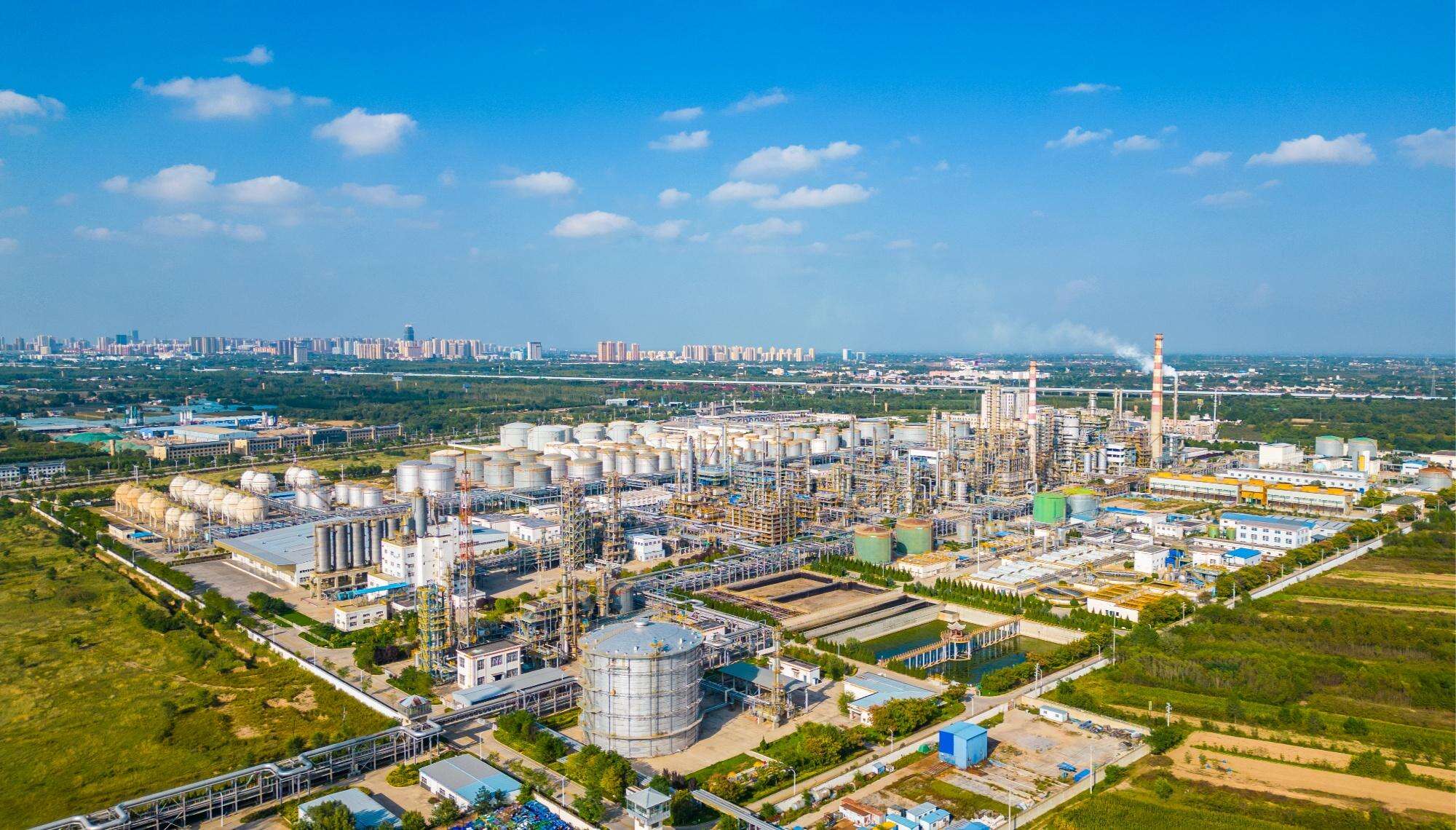
جب کوئلے کی کیمیائی صنعت سبز تبدیلی کے ایک اہم مرحلے میں داخل ہوتی ہے، تو دھواں گیس کی ڈی سلفورائزیشن اور ڈی نائٹریفکیشن کی ٹیکنالوجیوں کا انتخاب ماحولیاتی کارکردگی، آپریٹنگ اخراجات اور طویل المدتی پائیداری کو متاثر کرنے والے فیصلہ کن عوامل بن جاتے ہیں۔ مختلف ٹیکنیکل راستوں میں، امونیا پر مبنی ڈی سلفورائزیشن (امونیا ایف جی ڈی) کوئلے کے کیمیائی اداروں کے لیے انتہائی موثر حل کے طور پر تسلیم کیا جا رہا ہے جو انتہائی کم اخراج کو حاصل کرنے کے ساتھ ساتھ وسائل کی دوبارہ استعمال کو فروغ دینا چاہتے ہیں۔
جاری ٹیکنالوجی کی ترقی اور سات اہم عملی اپ گریڈز کے ساتھ، مِرشائن ماحولیاتی امونیا کے غیر مطلوبہ اخراج (امونیا اسلاپ) اور ایروسول کے تشکیل کے جیسے صنعتی مسائل پر قابو پانے میں کامیابی حاصل کر لی گئی ہے۔ اس کامیابی نے امونیا پر مبنی ڈی سلفورائزیشن کی درستگی، قابل اعتمادی اور معاشی معقولیت کو خاطر خواہ طور پر بہتر بنایا ہے، جس سے کوئلے کے کیمیائی اداروں کو ماحولیاتی ضوابط اور تجارتی قدر دونوں کو متوازن کرنے والا ایک حل فراہم ہوا ہے۔
مستحکم امونیا کی فراہمی اور عملی ہم آہنگی
کوئلے کے کیمیائی پلانٹس میں امونیا پر مبنی ڈی سلفورائزیشن کے سب سے قابلِ توجہ فوائد میں سے ایک یہ ہے کہ مقامی سطح پر امونیا کے وسائل کی دستیابی کوئلے کے کیمیائی پیداوار کے دوران اکثر امونیا گیس یا امونیا واٹر ایک ثانوی مصنوعہ کے طور پر پیدا ہوتی ہے، جو دھوئیں کے علاج کے لیے ایک مستحکم اور معاشی جذب کرنے والے ذریعے کی تشکیل کرتی ہے۔
امونیا پر مبنی FGD اپنانے سے، کاروباری ادارے 'کچرا سے کنٹرول کا کچرا' کی حکمت عملی کو موثر طریقے سے لاگو کر سکتے ہیں، جس میں فلیو گیس سے سلفر ڈائی آکسائیڈ کو خارج کرنے کے لیے اندرونی امونیا کے بہاؤ کو استعمال کیا جاتا ہے۔ اس طریقہ کار سے خریدے گئے بیرونی کیمیائی مادوں پر انحصار کو کافی حد تک کم کیا جا سکتا ہے، نقل و حمل اور ذخیرہ کرنے کے اخراجات کم ہوتے ہیں، اور مجموعی طور پر مواد کے انتظام کو آسان بنایا جا سکتا ہے۔
میرشائن ماحولیاتی کی جدید امونیا ڈی سلفرائزیشن ٹیکنالوجی کا ایکسٹیگریشن شامل ہے، درست امونیا کی خوراک کنٹرول کے ساتھ کثیر درجہ کے اسپرے جذب کا ڈھانچہ ، جس کے ذریعے امونیا اور سلفر پر مشتمل آلودگی کے درمیان موثر اور مستحکم کیمیائی ردعمل کو یقینی بنایا جاتا ہے۔ نتیجے کے طور پر، SO₂ کے اخراج کو مستقل طور پر 30 ملی گرام/Nm³ کے نیچے کنٹرول کیا جا سکتا ہے، جبکہ اگلے مرحلے کے ڈی نائٹریفیکیشن نظام کے لیے فلیو گیس کی مناسب حالات پیدا کی جاتی ہیں۔ اس یکجا ڈیزائن سے مجموعی نظام کی ہم آہنگی بڑھتی ہے اور کُل اخراج کنٹرول کی کارکردگی میں بہتری آتی ہے۔
قابلِ ستائش توانائی کی کارکردگی اور کم آپریٹنگ اخراجات
روایتی کیلشیم پر مبنی ڈی سلفورائزیشن کے عمل کے مقابلے میں، امونیا پر مبنی ڈی سلفورائزیشن کی خصوصیات ہیں زیادہ کیمیائی ردعمل پذیری اور تیز جذب کی گتیات ، جس کی وجہ سے کم مائع سے گیس تناسب پر آپریشن ممکن ہوتا ہے۔ یہ براہ راست سرکولیشن پمپ جیسے اہم آلات کی بجلی کی کھپت کو کم کرتا ہے۔
آپٹیمائزڈ نظام کے مزاحمت کے ڈیزائن نے مزید انڈیوسڈ ڈرافٹ فین کی توانائی کی طلب کو کم کر دیا ہے۔ اس کے علاوہ، امونیا اور SO₂ کے درمیان ردعمل حرارت خارج کرنے والا ہوتا ہے، جس کی وجہ سے جزوی حرارت کی بازیابی ممکن ہوتی ہے اور مجموعی طور پر حرارتی نقصانات کو کم کیا جا سکتا ہے۔
عمل کے اندراج اور ذہین کنٹرول کے آپٹیمائزیشن کے ذریعے، مِر شائن ماحولیاتی نے حاصل کیا ہے صنعت کی قیادت کرنے والے توانائی کے کارکردگی کے اشاریے ، جو کوئلے کے کیمیائی اداروں کو پورے نظام کے زندگی کے دوران قابلِ ذکر توانائی کی بچت اور طویل المدتی آپریشنل اخراجات میں کمی کو حاصل کرنے کی اجازت دیتا ہے۔
کثیر آلودگیوں کے ہم آہنگ کنٹرول کی صلاحیت
جدید امونیا پر مبنی ڈی سلفورائزیشن نظام صرف سلفر کے اخراج کو دور کرنے کے ایک ہی کام سے آگے بڑھ چکے ہیں۔ میرشائن ماحولیاتی کی طرف سے تیار کردہ جدید حل کے ذریعے متعدد آلودگیوں کا ایک ساتھ اخراج ، بشمول سلفر ٹرائی آکسائیڈ (SO₃)، مرکری اور دیگر بھاری دھاتیں، اور ننھی ذرات جیسے PM2.5 کا اخراج کیا جا سکتا ہے۔
اس ٹیکنالوجی کی ایک اہم خصوصیت اس کا منفرد دھند کو دور کرنے اور ایروسول کو کنٹرول کرنے کا نظام ہے، جسے سات نسلوں کے اپ گریڈز کے ذریعے جامع طور پر بہتر بنایا گیا ہے۔ یہ ایجادات امونیم نمک کے ایروسول اخراج اور دیدی جانے والے سفید دھند کے مسائل کو مؤثر طریقے سے ختم کرتی ہے، جس سے تمام کام کرنے کی حالتوں میں واقعی 'صاف اسٹیک' کارکردگی حاصل ہوتی ہے۔
کوئلے کی کیمیا گری کے اداروں کے لیے متعدد آلودگیوں کے کنٹرول کو ایک ہی نظام میں ضم کرنے سے وہ بڑھتی ہوئی سخت ترین مرکب اخراج کے معیارات کو پورا کر سکتے ہیں، جس میں کل سامان کی سرمایہ کاری کم ہوتی ہے اور نظام کی پیچیدگی کم ہوتی ہے۔ .
ضمنی مصنوعات کا استعمال اور اقتصادی قدر کی تخلیق
امونیا پر مبنی ڈی سلفورائزیشن کی ایک منفرد خصوصیت یہ ہے کہ یہ آلودگی کو قیمتی ثانوی مصنوعات میں تبدیل کرنے کی صلاحیت رکھتی ہے۔ امونیا کے ذریعے جذب کیا گیا سلفر ڈائی آکسائیڈ آخرکار تشکیل دیتا ہے آمونیاکل سلفیٹ ، جسے بعد میں تیزی، بلوریت اور خشک کرنے کے عمل کے ذریعے تجارتی درجے کے کھاد کی تیاری کے لیے مزید پروسیس کیا جا سکتا ہے۔
یہ تبدیلی نہ صرف سلفر کے وسائل کی بحالی کو ممکن بناتی ہے بلکہ یہ سرکولر اکنامی کے اصولوں کے بھی قریب ترین ہوتی ہے۔ صرف ماحولیاتی لاگت ہونے کے بجائے، ڈی سلفورائزیشن ایک قدر پیدا کرنے والا عمل .
میر شائن ماحولیاتی نے امونیم سلفیٹ کی بلوریت اور خشک کرنے کی پختہ ٹیکنالوجیاں تیار کی ہیں جو مستحکم مصنوعات کی معیار اور اعلیٰ خلوص کو یقینی بناتی ہیں۔ حاصل شدہ امونیم سلفیٹ زرعی درجے کے معیارات پر پورا اترتی ہے، جو کوئلے کی کیمیائی کمپنیوں کو ایک قابل اعتماد اضافی آمدنی کا ذریعہ فراہم کرتی ہے جو موثر طریقے سے ماحولیاتی آپریٹنگ اخراجات کو کم کرتی ہے۔
صنعتی استعمال کے ذریعے ثابت شدہ کارکردگی
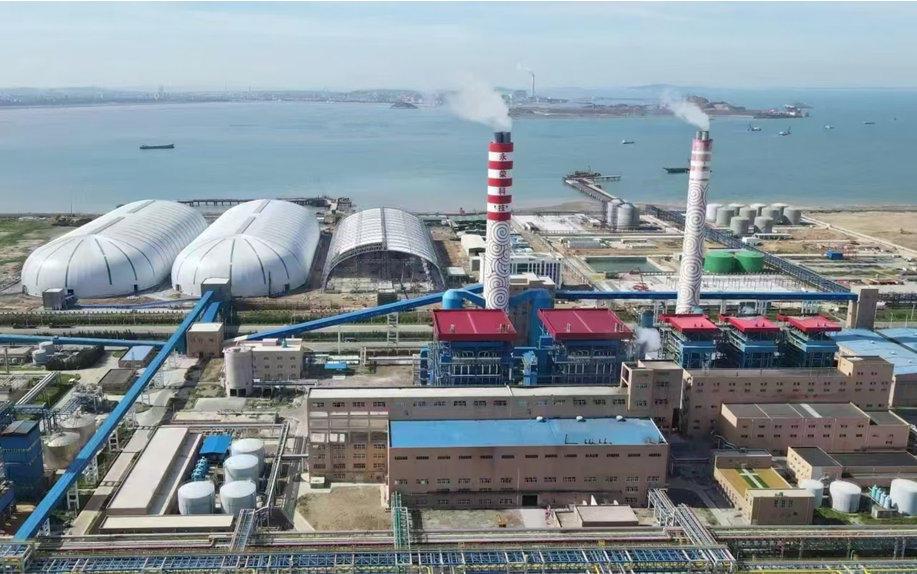
عملی کارکردگی ٹیکنالوجی کی قابل اعتمادی کا آخری معیار ہے۔ فوجیان یونگ رونگ ہولڈنگ گروپ کے لیے نافذ کیے گئے ایک کوئلہ کیمیائی منصوبے میں، فوجیان یونگ رونگ ہولڈنگ گروپ ، میر شائن ماحولیاتی کا امونیا پر مبنی ڈی سلفورائزیشن نظام مستقل اور طویل المدت نتائج فراہم کر چکا ہے۔
آپریشنل اعداد و شمار ظاہر کرتے ہیں:
ڈی سلفورائزیشن کی کارکردگی مسلسل 99.2%
SO₂ کی آؤٹ لیٹ تراکیز قومی انتہائی کم اخراج کی حد سے کافی کم ہے
ایمونیا اسکِلپ کی اوسط درجہ حرارت 1.15 ملی گرام/Nm³ ، جس کی اعلیٰ حدیں ضابطہ کی طرف سے مقررہ حدود سے بہت کم ہیں
قابل دید دھواں کے تمام مظاہر کا مکمل خاتمہ
تقریباً بجلی کی مصرف میں 20% کمی روایتی نظاموں کے مقابلے میں
اس کے علاوہ، تیار کردہ امونیم سلفیٹ مندرجہ ذیل معیارات پر پورا اترتا ہے: GB 535-1995 درجہ اول کھاد کے معیارات ، جس سے قابلِ ذکر ماحولیاتی اور معاشی فوائد حاصل ہوتے ہیں۔ یہ منصوبہ میرشائن کی امونیا پر مبنی ڈی سلفورائزیشن ٹیکنالوجی کے ذریعے کارکردگی، قابل اعتمادی اور منافع کے بہترین توازن کو ظاہر کرتا ہے۔
کوئلے کی کیمیائی کمپنیوں کے لیے ایک حکمت عملی انتخاب
ان کوئلے کی کیمیائی کمپنیوں کے لیے جن کے پاس مستقل امونیا کے ذرائع موجود ہیں اور جو وسائل کی دوبارہ استعمال اور لاگت کی موثریت پر حکمت عملی توجہ مرکوز کرتی ہیں، امونیا پر مبنی ڈی سلفورائزیشن ایک بہت ہی عملی اور آگے کی سوچ والی حل پیش کرتی ہے .
میر شائن ماحولیاتی، جاری ایجادات کے ذریعے امونیا کے رساؤ اور ایروسول کے اخراج جیسے تاریخی مسائل کو بنیادی طور پر حل کرتے ہوئے، توانائی کی بچت، متعدد آلودگیوں کے کنٹرول، اور ثانوی پیداوار کے استعمال میں ایک جامع برتری قائم کر چکی ہے۔ یہ ٹیکنالوجی کا راستہ صرف ضابطہ کی پابندی کا ذریعہ نہیں ہے، بلکہ یہ کوئلے کی کیمیائی صنعت کے لیے ایک طاقتور حرکت دہندہ ہے جو صاف، زیادہ موثر اور کم کاربن کی طرف ترقی کی طرف منتقل ہو رہی ہے۔