 EN
EN


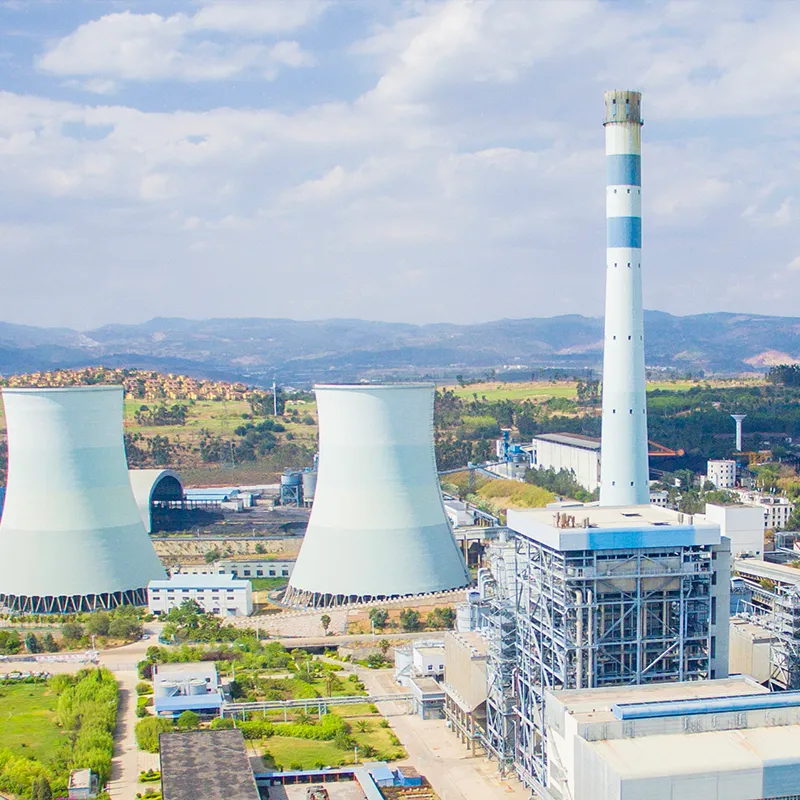
Introduction
The coking industry is a vital part of the steel and chemical sectors, producing coke from coal to feed blast furnaces and chemical processes. However, coking is also associated with high sulfur emissions, complex flue gas composition, and stringent environmental regulations. Meeting the ultra-low emission requirements for sulfur dioxide (SO₂) and nitrogen oxides (NOₓ) has become increasingly challenging, especially under the dual pressures of environmental compliance and operational cost control.
Among the various desulfurization technologies—limestone-gypsum FGD, sodium-based methods, and ammonia-based systems—the latter has emerged as the most suitable for coking plants, due to its compatibility with low-temperature, high-humidity flue gas, ability to utilize existing ammonia resources, and capability to generate valuable byproducts.
Challenges in Coking Flue Gas Treatment
Coke oven flue gas presents several unique challenges:
Low temperature and high moisture: Typical flue gas temperatures range from 180–280°C, which reduces the effectiveness of conventional calcium-based FGD.
Complex contaminants: Flue gas contains tar, dust, sulfur compounds, NOₓ, and trace heavy metals, requiring robust multi-pollutant control.
Continuous operation: Coking plants operate around the clock, necessitating a reliable system with minimal downtime.
Space constraints: Coking facilities often have limited room for additional equipment, favoring compact and integrated solutions.
Advantages of Ammonia-Based FGD in the Coking Industry
1. High Desulfurization Efficiency
Ammonia-based FGD systems can consistently achieve SO₂ removal efficiencies above 98%, meeting even the most stringent emission standards. The reaction of SO₂ with ammonia produces ammonium sulfate, which is easy to collect, concentrate, and convert into fertilizer-grade products. This ensures that coking plants can comply with environmental regulations without excessive investment in limestone storage or gypsum handling.
2. Resource Utilization and Cost Savings
Coking plants often generate ammonia as a byproduct of coke oven gas purification. Using this ammonia directly for FGD reduces the need for external chemicals, minimizing raw material costs and simplifying logistics. The produced ammonium sulfate provides a revenue stream, partially offsetting operational expenses and supporting a circular economy approach.
3. Integrated Multi-Pollutant Control
Modern ammonia-based FGD systems are designed to address more than just sulfur. By incorporating multi-stage spray towers, advanced mist eliminators, and gas-liquid separation, these systems can also reduce particulate matter (PM2.5), mercury, and other heavy metals. This integrated control improves overall flue gas quality and reduces environmental impact.
4. Minimal Operational Disruption
Unlike lime or limestone systems, ammonia-based FGD has low system resistance and is less prone to scaling or blockages. The liquid-gas reaction is rapid, and the process can be integrated with existing flue gas desulfurization and dust removal units, ensuring uninterrupted coke oven operation.
5. Environmental and Economic Synergy
The ability to convert sulfur emissions into commercial ammonium sulfate fertilizer creates a dual benefit: reducing pollution while generating economic value. High-quality fertilizer from flue gas desulfurization can meet market standards, providing coking plants with an additional income stream.
Technological Highlights
Leading ammonia-based FGD systems in the coking industry incorporate several advanced features:
Staged separation and purification: Reduces ammonia slip and aerosol formation, eliminating “white smoke” and ensuring ultra-low emissions.
Optimized spray absorption: Enhances SO₂ contact with ammonia, maximizing reaction efficiency while minimizing liquid usage.
Energy-efficient operation: Exothermic reactions can be harnessed, reducing thermal losses and overall system energy consumption.
Integrated dust removal: Captures fine particulate matter alongside sulfur compounds, improving overall air quality.
Case Study: Shandong MirShine Environmental Implementation
At a large-scale coking plant, MirShine Environmental’s staged ammonia FGD system was deployed. Key results included:
SO₂ removal efficiency above 98.5%, with outlet concentration consistently below 30 mg/Nm³.
Ammonia slip maintained at less than 1 mg/Nm³, virtually eliminating odor and environmental impact.
Combined removal of particulate matter and trace heavy metals, enhancing multi-pollutant control.
Annual production of high-quality ammonium sulfate fertilizer, offsetting 10–15% of operational costs.
Energy consumption reduced by 18–20% compared to traditional limestone FGD systems.
Implementation Considerations
Ammonia Source Management: Ensure sufficient in-plant ammonia availability or supply contracts.
Temperature and Gas Flow Control: Maintain flue gas within optimal absorption temperature ranges (180–280°C).
Integration with SCR/SNCR: Pre-conditioning flue gas improves subsequent NOₓ removal efficiency.
Maintenance Planning: Corrosion-resistant materials and accessible designs support continuous operation.
Conclusion
Ammonia-based FGD offers a comprehensive solution for coking plants aiming for ultra-low SO₂ emissions, operational efficiency, and economic viability. By converting sulfur emissions into a marketable fertilizer product and achieving multi-pollutant control, this technology aligns environmental responsibility with financial benefit. For coking industry operators, adopting ammonia-based FGD represents not only compliance with modern emission standards but also a strategic investment in sustainable, profitable production.