 EN
EN


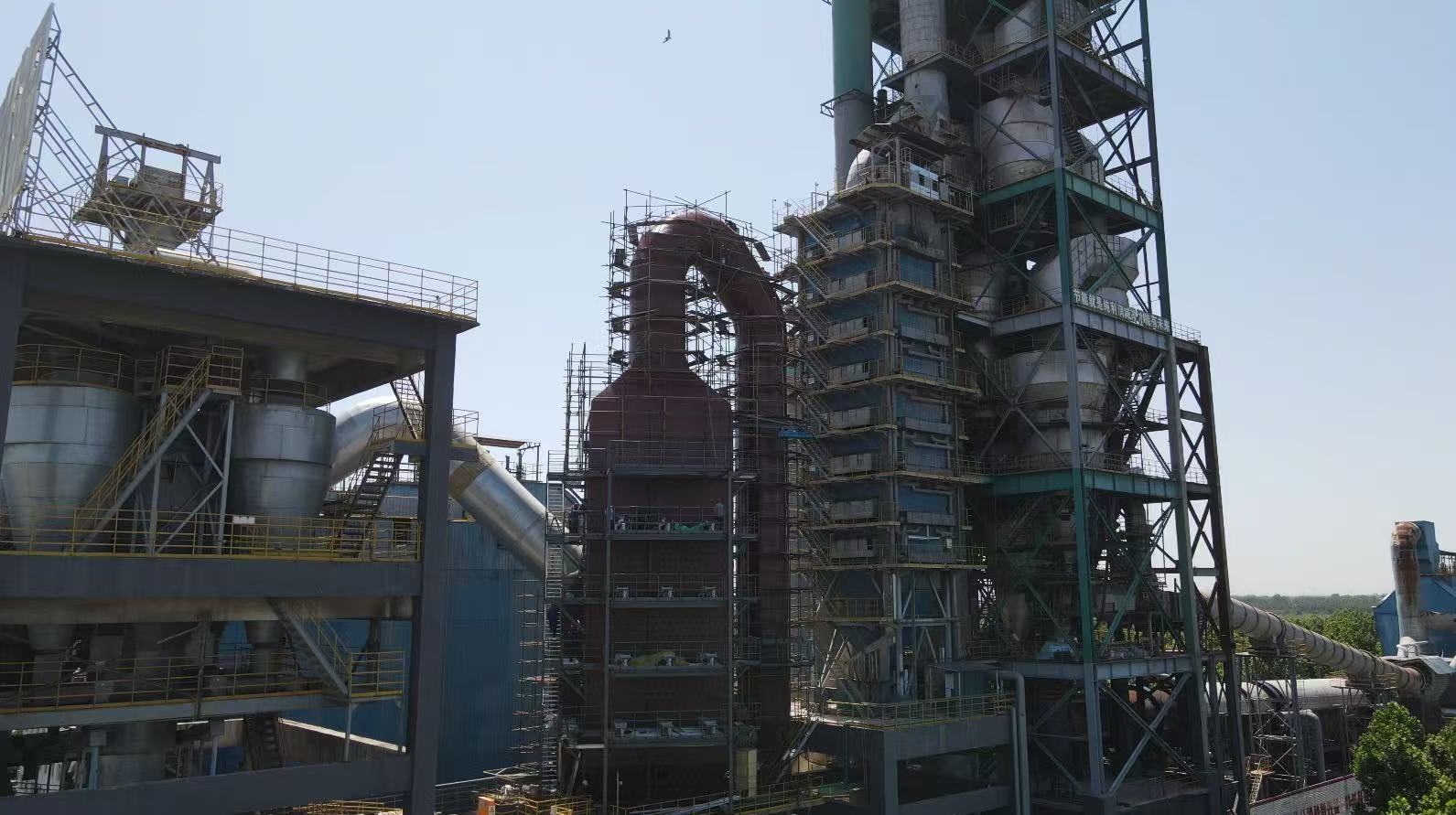
Introduction: The Importance of NOx Control in Waste-to-Energy Plants
Waste-to-energy (WTE) plants play an increasingly important role in modern waste management by converting municipal waste into usable energy. Through controlled combustion processes, these facilities can reduce landfill dependency while generating electricity and heat.
However, waste incineration is a complex combustion process that produces various pollutants, including nitrogen oxides (NOx), sulfur compounds, dust, heavy metals, and other acidic gases.
Among these pollutants, NOx emissions are one of the key environmental concerns. High-temperature combustion conditions inside incinerators naturally promote the formation of nitrogen oxides, which must be effectively controlled before flue gas is released into the atmosphere.
European countries have some of the strictest emission requirements for waste-to-energy facilities. Meeting these standards requires advanced flue gas treatment technologies.
Selective Catalytic Reduction (SCR) has become one of the most reliable technologies for NOx reduction in waste incineration plants due to its high removal efficiency, stable performance, and adaptability to strict emission limits.
MirShine Environmental Group provides customized SCR denitrification systems and integrated flue gas treatment solutions for waste-to-energy plants, helping operators achieve efficient emission control and long-term compliance.
Why Do Waste-to-Energy Plants Need SCR Systems?
The combustion process in waste incinerators typically operates at high temperatures to ensure complete waste destruction. During this process, nitrogen in the combustion air and waste materials reacts with oxygen, creating NOx.
The amount of NOx generated depends on:
- Combustion temperature
- Oxygen concentration
- Waste composition
- Furnace operating conditions
Although combustion optimization and primary NOx control methods can reduce emissions, they are often insufficient to meet modern ultra-low NOx requirements.
SCR systems provide additional NOx reduction after combustion by converting nitrogen oxides into harmless nitrogen and water.
This makes SCR an important part of advanced waste-to-energy flue gas treatment systems.
How Does an SCR System Work in Waste Incineration Plants?
An SCR system installed in a waste-to-energy plant usually operates after major pollutant removal processes.
A typical process may include:
Waste combustion furnace → Boiler → Dust removal → Acid gas treatment → SCR reactor → Economizer → Stack
The exact configuration depends on plant design and emission requirements.
1. Ammonia Injection
The SCR process begins with the injection of ammonia or ammonia water into the flue gas.
The ammonia injection system must achieve uniform mixing between ammonia and flue gas.
Poor ammonia distribution may result in:
- Lower NOx removal efficiency
- Increased ammonia consumption
- Higher ammonia slip
Therefore, ammonia injection grid design is an important part of SCR engineering.
2. SCR Catalyst Reaction
After ammonia mixing, the flue gas enters the SCR reactor.
Inside the reactor, catalyst modules promote the chemical reaction between ammonia and NOx.
The main reactions convert NOx into:
- Nitrogen (N₂)
- Water vapor (H₂O)
Because catalysts accelerate the reaction, SCR can achieve high NOx removal efficiency even at lower temperatures compared with SNCR technology.
3. Final Emission Control
After passing through the SCR reactor, treated flue gas continues through downstream equipment before being released.
A properly designed SCR system helps waste-to-energy plants maintain stable operation while meeting strict environmental regulations.
Challenges of SCR Application in Waste Incineration Plants
Although SCR technology is highly effective, waste incineration applications present unique challenges compared with other industries.
High Moisture Content
Waste incineration flue gas usually contains higher moisture levels.
High moisture can influence:
- Catalyst performance
- Temperature control
- Equipment corrosion risk
SCR systems must be designed according to actual flue gas conditions.
Complex Flue Gas Composition
Unlike conventional power plants, waste incineration plants process various types of waste.
The flue gas may contain:
- Heavy metals
- Alkali compounds
- Acidic components
- Fine particles
These substances may affect catalyst activity and reduce catalyst lifetime.
Therefore, catalyst selection is critical for waste-to-energy SCR applications.
Catalyst Poisoning and Deactivation
Certain substances in waste incineration flue gas can gradually deactivate catalysts.
Common factors include:
- Dust accumulation
- Heavy metals
- Alkali metals
- Sulfur compounds
A suitable catalyst formulation and proper upstream flue gas treatment can significantly extend catalyst service life.
Limited Installation Space
Many existing waste-to-energy plants were designed before SCR systems became necessary.
Adding an SCR reactor requires careful evaluation of:
- Available space
- Existing duct arrangement
- Structural loading
- Maintenance access
For retrofit projects, customized engineering design is essential.
SCR Installation Location in Waste-to-Energy Plants
The location of SCR installation has a significant influence on system performance.
There are generally two common approaches.
High-Dust SCR
The SCR reactor is installed before dust removal equipment.
Advantages:
- Higher flue gas temperature
- Better catalyst activity
Challenges:
- Higher dust exposure
- Greater catalyst contamination risk
Low-Dust SCR
The SCR reactor is installed after dust removal and other purification processes.
Advantages:
- Cleaner flue gas
- Lower catalyst poisoning risk
- Longer catalyst lifetime
Challenges:
- Additional heating may be required if temperature is insufficient
The optimal configuration depends on plant conditions and project requirements.
Benefits of SCR Systems for Waste-to-Energy Facilities
1. High NOx Removal Efficiency
SCR technology can achieve significant NOx reduction, helping waste incineration plants meet strict emission standards.
2. Stable Long-Term Operation
With proper catalyst selection and system design, SCR systems can operate continuously for many years.
3. Improved Environmental Performance
By reducing NOx emissions, SCR systems contribute to:
- Better air quality
- Lower environmental impact
- Sustainable waste management
4. Compliance With European Regulations
European waste-to-energy facilities operate under strict emission requirements.
SCR technology helps operators maintain compliance with current and future regulations.
MirShine SCR Solutions for Waste-to-Energy Plants
MirShine Environmental Group provides customized SCR denitrification solutions for waste-to-energy and industrial incineration projects.
Our services include:
- Process design
- SCR reactor engineering
- Catalyst selection
- Ammonia injection system design
- Equipment manufacturing
- Technical support
Our engineers consider each project’s specific conditions, including:
- Waste composition
- Flue gas parameters
- NOx emission targets
- Available installation space
- Existing treatment systems
By integrating SCR with other flue gas treatment technologies, MirShine provides complete emission control solutions for modern waste-to-energy facilities.
Conclusion
Waste-to-energy plants require advanced emission control technologies to balance energy recovery with environmental protection.
SCR denitrification systems provide an effective and reliable solution for reducing NOx emissions from waste incineration processes.
With high removal efficiency, stable operation, and flexible application options, SCR technology has become an important component of modern waste-to-energy flue gas treatment systems.
Through professional engineering design and customized solutions, MirShine helps waste-to-energy operators worldwide achieve cleaner operation and meet increasingly strict emission standards.
Frequently Asked Questions (FAQ)
1. Why do waste-to-energy plants need SCR systems?
Waste-to-energy plants generate NOx during combustion. SCR systems reduce NOx emissions and help facilities meet environmental regulations.
2. Where is SCR installed in a waste incineration plant?
SCR can be installed at different positions depending on plant design, including high-dust, low-dust, or downstream locations after other flue gas treatment processes.
3. How much NOx can an SCR system remove?
A properly designed SCR system can typically achieve 80–95% NOx reduction depending on operating conditions and catalyst performance.
4. What affects SCR catalyst life in waste incineration plants?
Catalyst lifetime is affected by:
- Dust concentration
- Heavy metals
- Alkali compounds
- Sulfur content
- Operating temperature
5. Can SCR be added to an existing waste incineration plant?
Yes. SCR retrofit projects can upgrade existing incineration plants to achieve stricter NOx emission requirements.
6. What reducing agent is used in waste-to-energy SCR systems?
Most SCR systems use ammonia or ammonia water as the reducing agent.
7. What is ammonia slip in SCR operation?
Ammonia slip refers to unreacted ammonia leaving the SCR reactor. Proper system design minimizes ammonia slip and improves operation efficiency.
8. Why choose MirShine for waste-to-energy SCR projects?
MirShine provides customized SCR engineering solutions, combining experience in denitrification, desulfurization, and complete flue gas treatment systems.
Table of Contents
- Introduction: The Importance of NOx Control in Waste-to-Energy Plants
- Why Do Waste-to-Energy Plants Need SCR Systems?
- How Does an SCR System Work in Waste Incineration Plants?
- 1. Ammonia Injection
- 2. SCR Catalyst Reaction
- 3. Final Emission Control
- Challenges of SCR Application in Waste Incineration Plants
- High Moisture Content
- Complex Flue Gas Composition
- Catalyst Poisoning and Deactivation
- Limited Installation Space
- SCR Installation Location in Waste-to-Energy Plants
- High-Dust SCR
- Low-Dust SCR
- Benefits of SCR Systems for Waste-to-Energy Facilities
- MirShine SCR Solutions for Waste-to-Energy Plants
- Conclusion
- 1. Why do waste-to-energy plants need SCR systems?
- 2. Where is SCR installed in a waste incineration plant?
- 3. How much NOx can an SCR system remove?
- 4. What affects SCR catalyst life in waste incineration plants?
- 5. Can SCR be added to an existing waste incineration plant?
- 6. What reducing agent is used in waste-to-energy SCR systems?
- 7. What is ammonia slip in SCR operation?
- 8. Why choose MirShine for waste-to-energy SCR projects?