 EN
EN


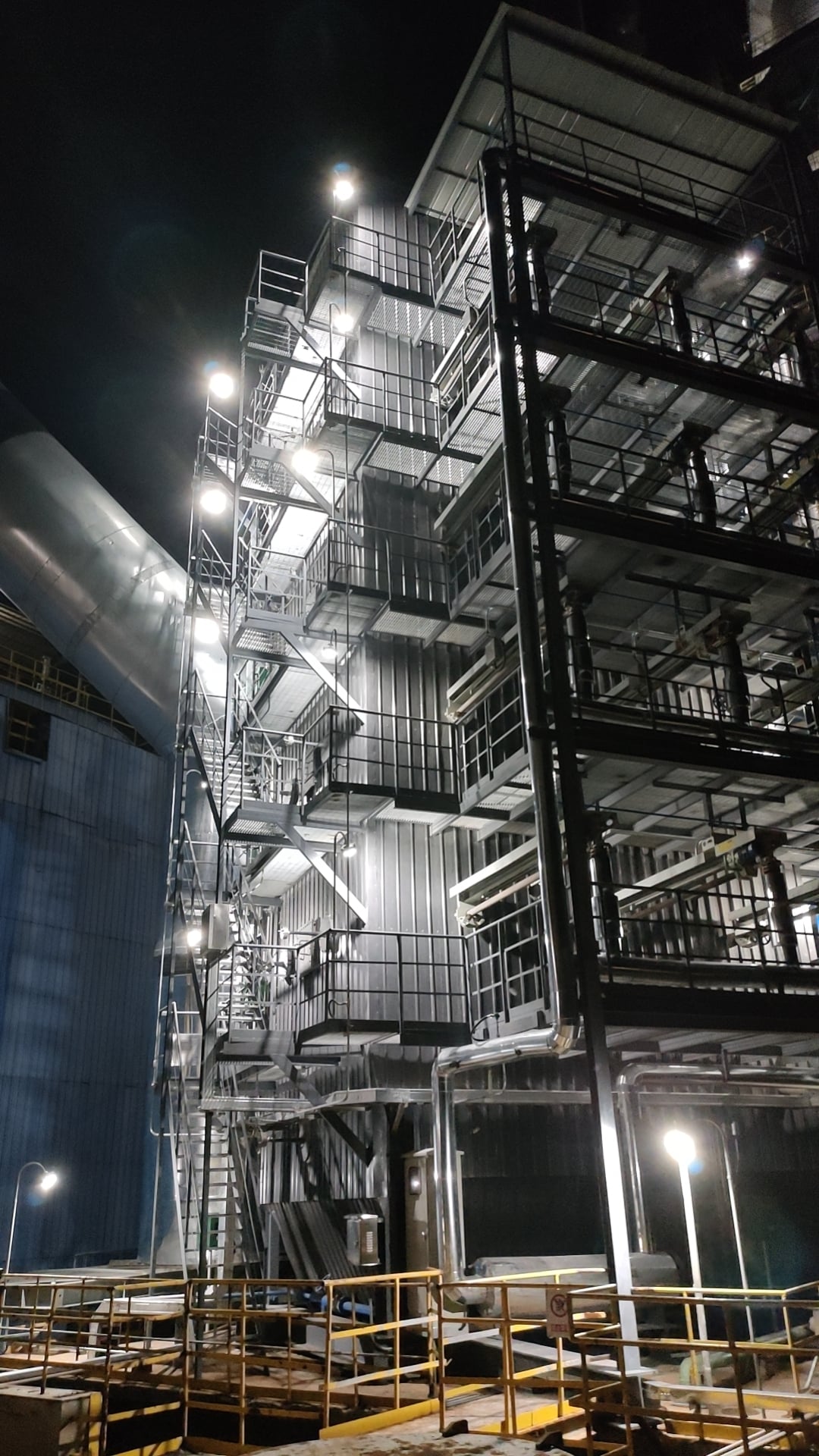
Introduction: Understanding Different NOx Reduction Technologies
Nitrogen oxides (NOx) emissions are one of the major environmental challenges faced by industries using combustion processes. Power plants, cement factories, steel plants, waste-to-energy facilities, and chemical industries all generate NOx during high-temperature combustion.
To meet increasingly strict emission regulations, companies need reliable flue gas denitrification technologies. Among various NOx control methods, Selective Catalytic Reduction (SCR) and Selective Non-Catalytic Reduction (SNCR) are two of the most widely applied solutions.
Both technologies use ammonia-based reducing agents to convert NOx into harmless nitrogen and water. However, they have significant differences in terms of reaction mechanism, operating temperature, removal efficiency, investment cost, and application scenarios.
Choosing between SCR and SNCR depends on many factors, including emission requirements, flue gas characteristics, available installation space, and project budget.
As an experienced environmental technology company, MirShine Environmental Group provides customized SCR and SNCR denitrification solutions based on actual industrial conditions, helping customers achieve efficient NOx emission control.
What Is SCR Technology?
SCR (Selective Catalytic Reduction) is an advanced denitrification technology that uses catalysts to accelerate the chemical reaction between ammonia and nitrogen oxides.
In an SCR system, ammonia or ammonia water is injected into the flue gas through an ammonia injection system. The mixed gas then passes through a catalyst reactor, where NOx is converted into nitrogen and water.
The main chemical reaction is:
NOx + NH₃ → N₂ + H₂O
The catalyst allows this reaction to occur efficiently at a relatively lower temperature range.
SCR systems are widely used in industries that require high NOx removal efficiency and stable long-term operation.
Typical applications include:
- Coal-fired power plants
- Gas turbines
- Waste-to-energy plants
- Steel plants
- Petrochemical facilities
- Large industrial boilers
What Is SNCR Technology?
SNCR (Selective Non-Catalytic Reduction) is a NOx reduction technology that does not require catalysts.
Instead, ammonia or urea solution is injected directly into a high-temperature combustion area. Under suitable temperature conditions, the reducing agent reacts with NOx and converts it into nitrogen and water.
The reaction temperature of SNCR is usually higher than SCR, generally around 850–1100℃.
Because SNCR does not require expensive catalysts or large reactors, it usually has lower investment costs compared with SCR.
SNCR is commonly applied in industries where:
- Space is limited
- Medium NOx reduction is acceptable
- Investment budget is restricted
Typical applications include:
- Cement kilns
- Waste incinerators
- Industrial furnaces
- Lime production plants
SCR vs SNCR: Main Differences
Although both technologies reduce NOx emissions using ammonia-based reactions, their working principles and performance are different.
1. Catalyst Requirement
The biggest difference between SCR and SNCR is whether a catalyst is required.
SCR:
- Uses catalyst modules
- Provides higher reaction efficiency
- Requires catalyst maintenance and replacement
SNCR:
- Does not use catalyst
- Has simpler equipment structure
- Requires accurate temperature control
The catalyst in SCR improves reaction efficiency and allows NOx removal at lower temperatures.
2. NOx Removal Efficiency
Efficiency is one of the most important factors when selecting a denitrification technology.
SCR typically achieves:
- 80–95% NOx removal efficiency
SNCR typically achieves:
- 30–70% NOx removal efficiency
Therefore, when strict emission limits are required, SCR is usually the preferred solution.
For industries facing ultra-low emission standards, SCR provides better reliability.
3. Operating Temperature Range
Temperature is another key difference.
SCR usually operates within approximately:
300–420℃
SNCR requires higher temperatures:
850–1100℃
If an existing facility has suitable high-temperature areas, SNCR may be a practical solution. However, if the available temperature is lower, SCR may be more suitable.
4. Equipment Investment
Investment cost is an important consideration for industrial projects.
SNCR generally has:
- Lower equipment cost
- Simple installation
- Less maintenance requirement
SCR generally requires:
- Reactor equipment
- Catalyst modules
- Ammonia injection system
- More complex engineering design
However, SCR provides higher efficiency and better long-term emission compliance.
5. Space Requirements
SNCR systems usually require less installation space because they do not need a catalyst reactor.
SCR systems require more space for:
- Reactor installation
- Catalyst layers
- Flue gas duct arrangement
For existing plants with limited space, engineering evaluation is necessary before selecting SCR.
Comparison Table: SCR vs SNCR
Item |
SCR |
SNCR |
|---|---|---|
Full Name |
Selective Catalytic Reduction |
Selective Non-Catalytic Reduction |
Catalyst |
Required |
Not required |
Temperature Range |
300–420℃ |
850–1100℃ |
NOx Removal Efficiency |
80–95% |
30–70% |
Investment Cost |
Higher |
Lower |
System Complexity |
Higher |
Simpler |
Maintenance |
Catalyst replacement required |
Lower maintenance |
Best Application |
Strict emission standards |
Medium NOx reduction requirements |
How to Choose Between SCR and SNCR?
There is no single technology that is suitable for every industrial facility.
The selection should consider several factors.
1. Required Emission Limit
The required outlet NOx concentration is the most important factor.
If the project requires very low NOx emissions, SCR is usually necessary.
If moderate NOx reduction is acceptable, SNCR may meet the requirements.
2. Flue Gas Conditions
Important design parameters include:
- Flue gas temperature
- NOx concentration
- Oxygen content
- Dust concentration
- SO₂ concentration
- Moisture content
Different industries have different flue gas characteristics, requiring customized solutions.
3. Existing Equipment Conditions
For retrofit projects, existing plant conditions are critical.
Engineers need to evaluate:
- Available installation space
- Boiler or kiln structure
- Flue gas duct arrangement
- Shutdown schedule
4. Project Budget and Operating Cost
Although SNCR has lower initial investment, SCR may provide better long-term performance.
Companies should consider:
- Initial investment
- Ammonia consumption
- Catalyst replacement
- Maintenance cost
- Environmental compliance risks
Combined SCR + SNCR Solutions
In some industrial applications, SCR and SNCR can be combined to achieve better performance.
For example:
SNCR can be used as the primary NOx reduction technology at high-temperature zones, while SCR provides additional NOx removal in downstream areas.
This combination can help:
- Reduce ammonia consumption
- Improve overall efficiency
- Optimize investment costs
Combined solutions are increasingly used in complex industrial emission control projects.
MirShine Denitrification Solutions
MirShine Environmental Group provides comprehensive NOx emission control solutions, including:
- SCR systems
- SNCR systems
- SCR retrofit projects
- Ammonia injection systems
- Integrated flue gas treatment solutions
Our engineering team evaluates each project according to:
- Industry type
- Flue gas characteristics
- Emission requirements
- Installation conditions
- Customer operation goals
By combining engineering experience and environmental protection technologies, MirShine helps industrial customers achieve efficient and reliable NOx control.
Conclusion
Both SCR and SNCR technologies play important roles in industrial NOx emission reduction.
SNCR provides a simple and economical solution for applications requiring moderate NOx reduction, while SCR offers higher efficiency and is suitable for strict emission standards.
Selecting the right denitrification technology requires professional evaluation of operating conditions, environmental requirements, and long-term operation goals.
With customized engineering design and complete project support, MirShine provides reliable SCR and SNCR solutions for industries worldwide.
Frequently Asked Questions (FAQ)
1. Which is better, SCR or SNCR?
SCR provides higher NOx removal efficiency, while SNCR has lower investment costs. The best choice depends on emission requirements, operating conditions, and project budget.
2. What is the main difference between SCR and SNCR?
The main difference is that SCR uses catalysts to enhance NOx reduction, while SNCR performs the reaction without catalysts at higher temperatures.
3. Is SCR more expensive than SNCR?
Yes. SCR usually requires higher initial investment because it includes catalyst reactors and more complex equipment. However, it provides higher efficiency.
4. Which industries use SNCR systems?
SNCR systems are commonly used in cement plants, waste incineration plants, industrial furnaces, and other facilities where moderate NOx reduction is required.
5. Can SCR and SNCR be used together?
Yes. Combined SCR and SNCR systems can provide improved NOx reduction performance for some complex industrial applications.
6. What factors affect SCR and SNCR efficiency?
Important factors include:
- Temperature
- Ammonia distribution
- NOx concentration
- Flue gas composition
- Equipment design
7. Does SNCR require a catalyst?
No. SNCR technology achieves NOx reduction through chemical reactions at high temperatures without catalysts.
8. How does MirShine help customers choose the right technology?
MirShine evaluates customer requirements, flue gas conditions, emission targets, and investment considerations to recommend the most suitable denitrification solution.
Table of Contents
- Introduction: Understanding Different NOx Reduction Technologies
- What Is SCR Technology?
- What Is SNCR Technology?
- SCR vs SNCR: Main Differences
- 1. Catalyst Requirement
- 2. NOx Removal Efficiency
- 3. Operating Temperature Range
- 4. Equipment Investment
- 5. Space Requirements
- Comparison Table: SCR vs SNCR
- How to Choose Between SCR and SNCR?
- 1. Required Emission Limit
- 2. Flue Gas Conditions
- 3. Existing Equipment Conditions
- 4. Project Budget and Operating Cost
- Combined SCR + SNCR Solutions
- MirShine Denitrification Solutions
- Conclusion
- 1. Which is better, SCR or SNCR?
- 2. What is the main difference between SCR and SNCR?
- 3. Is SCR more expensive than SNCR?
- 4. Which industries use SNCR systems?
- 5. Can SCR and SNCR be used together?
- 6. What factors affect SCR and SNCR efficiency?
- 7. Does SNCR require a catalyst?
- 8. How does MirShine help customers choose the right technology?