 EN
EN


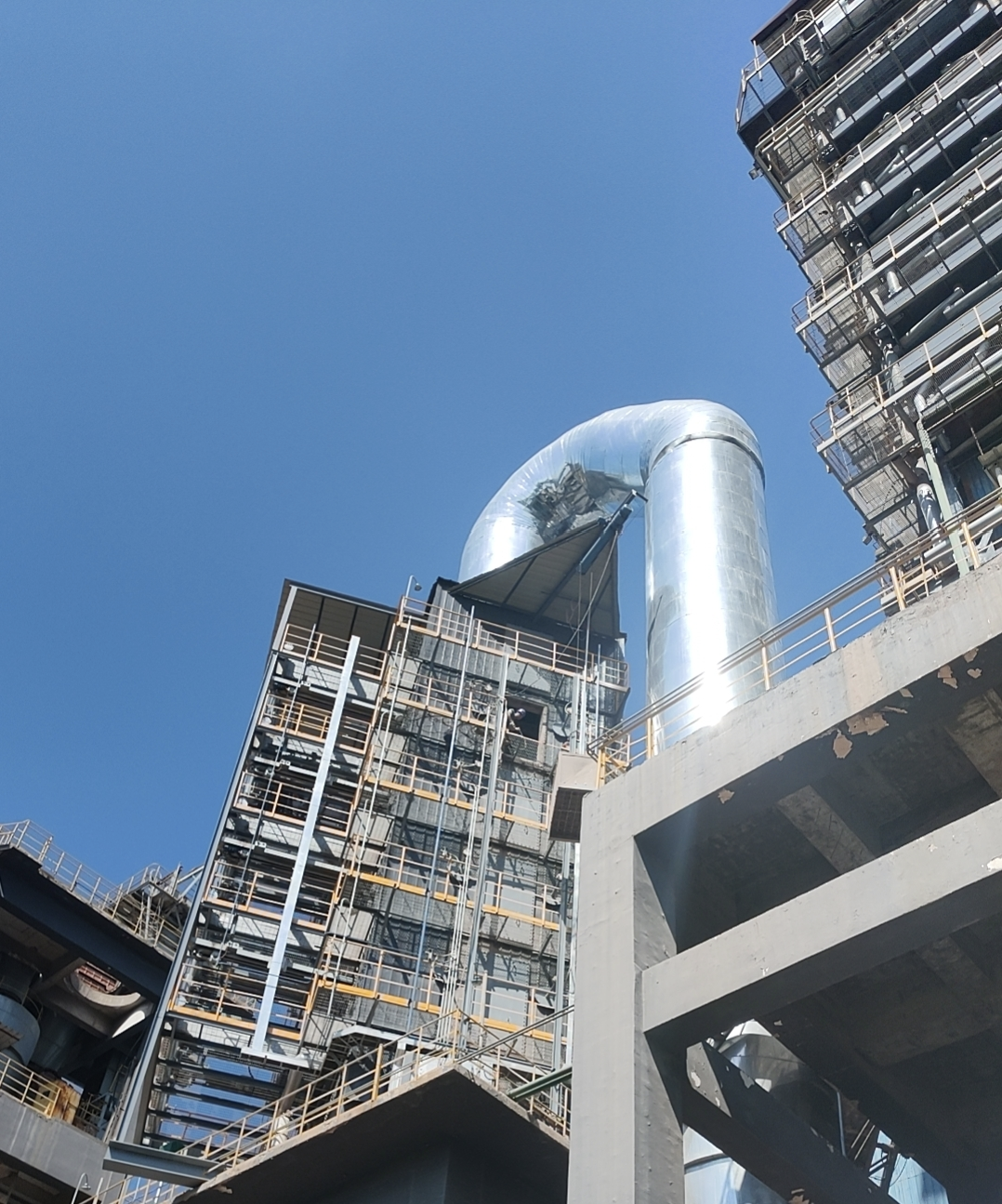
Introduction: Why SCR Retrofit Has Become a Growing Demand for Existing Plants
Across the world, industrial emission standards are becoming increasingly strict. Many power plants, steel mills, cement factories, chemical plants, and waste-to-energy facilities that were built years ago are now facing challenges in meeting updated NOx emission requirements.
For many existing industrial facilities, shutting down and replacing the entire production system is unrealistic due to high investment costs and long construction periods. Therefore, upgrading existing emission control equipment has become a practical and cost-effective solution.
Among different NOx reduction technologies, SCR retrofit systems have become one of the most effective approaches for improving the environmental performance of existing plants.
An SCR retrofit project involves integrating a new selective catalytic reduction system into an existing production line, allowing the facility to significantly reduce NOx emissions without replacing the main combustion equipment.
MirShine Environmental Group provides professional SCR retrofit and upgrade solutions, helping industrial customers optimize their existing systems, achieve stricter emission targets, and extend the service life of their facilities.
What Is an SCR Retrofit System?
An SCR retrofit system is an upgraded denitrification solution installed on an existing industrial facility.
Unlike a new SCR installation designed together with a new boiler or production line, retrofit projects must consider many existing conditions, including:
- Limited installation space
- Existing flue gas duct arrangement
- Current operating conditions
- Available temperature range
- Existing pollution control equipment
- Plant shutdown schedule
The purpose of an SCR retrofit is to add advanced NOx reduction technology while minimizing modifications to the original production system.
A successful retrofit project requires not only SCR equipment but also detailed engineering analysis, process optimization, and coordination with existing plant systems.
Why Do Existing Industrial Plants Need SCR Upgrades?
1. Stricter Environmental Regulations
Many countries and regions continue to introduce stricter emission standards for industrial facilities.
Older plants that were originally designed according to previous standards may no longer meet current NOx emission limits.
For example, industries such as power generation, cement production, and waste incineration are increasingly required to achieve lower NOx emissions.
SCR retrofit allows these facilities to upgrade their environmental performance without replacing the complete production process.
2. Extending the Service Life of Existing Equipment
Industrial equipment often has a service life of several decades. A plant may still have reliable boilers, furnaces, or kilns, but its original emission control system may not meet current requirements.
By installing an SCR upgrade system, companies can continue operating existing assets while improving environmental compliance.
This approach can reduce:
- New construction costs
- Production interruptions
- Equipment replacement expenses
3. Improving Operational Stability
Older denitrification systems may experience problems such as:
- High ammonia consumption
- Poor NOx removal efficiency
- Excessive ammonia slip
- Unstable operation
An SCR retrofit project can optimize the complete system through improved ammonia injection technology, new catalysts, and advanced control systems.
Main Challenges of SCR Retrofit Projects
Compared with new SCR installations, retrofit projects require more detailed engineering considerations.
Limited Installation Space
One of the biggest challenges is available space.
Existing factories usually have completed equipment layouts, pipelines, and steel structures. Adding a new SCR reactor requires careful planning to ensure proper installation.
Engineers need to evaluate:
- Reactor location
- Supporting structures
- Flue gas duct modification
- Maintenance access
A customized SCR design is often required because each industrial plant has different site conditions.
Temperature Optimization
SCR catalysts normally require a suitable operating temperature range.
However, existing industrial facilities may have temperature limitations due to their original process design.
If the temperature is too low:
- Catalyst activity decreases
- NOx removal efficiency drops
If the temperature is too high:
- Catalyst damage may occur
- Ammonia oxidation risks increase
Therefore, temperature analysis is a critical step in SCR retrofit projects.
Catalyst Selection
Different industries produce different types of flue gas.
For example:
Power plants may have relatively stable flue gas conditions, while waste incineration plants may contain more complex components such as heavy metals and alkali substances.
Proper catalyst selection helps:
- Improve NOx removal efficiency
- Reduce catalyst deactivation
- Extend catalyst service life
Flue Gas Pressure Loss
Installing an SCR reactor increases system resistance.
If pressure loss is not properly considered, it may affect:
- Fan operation
- Energy consumption
- Overall plant efficiency
Professional SCR retrofit design should optimize reactor structure and catalyst arrangement to minimize pressure loss.
The Typical Process of an SCR Retrofit Project
A complete SCR upgrade project usually includes several stages.
1. Existing Plant Assessment
Before design begins, engineers collect operating data, including:
- Flue gas flow rate
- NOx concentration
- SO₂ concentration
- Dust content
- Temperature profile
- Oxygen content
- Existing equipment layout
This information is essential for selecting the correct SCR configuration.
2. Technical Solution Design
Based on site conditions, engineers develop a customized solution covering:
- SCR reactor design
- Catalyst selection
- Ammonia injection system
- Flue gas duct modification
- Control system integration
3. Equipment Manufacturing and Installation
After design approval, SCR equipment is manufactured and prepared for installation.
The retrofit schedule must be carefully managed to reduce plant downtime.
4. Commissioning and Performance Testing
After installation, the system undergoes commissioning to verify:
- NOx removal efficiency
- Ammonia consumption
- Ammonia slip
- Pressure loss
- Stable operation
Applications of SCR Retrofit Solutions
Power Plant SCR Retrofit
Coal-fired and gas-fired power plants are among the most common applications for SCR upgrades.
Retrofit projects help existing boilers achieve lower NOx emissions and comply with updated environmental requirements.
Cement Plant SCR Upgrade
Cement kilns generate high-temperature exhaust gas with complex dust characteristics.
SCR retrofit solutions help cement producers reduce NOx emissions while maintaining stable kiln operation.
Steel Industry NOx Control
Steel production processes such as sintering and heating furnaces generate significant NOx emissions.
SCR upgrade systems provide an effective solution for improving environmental performance.
Waste-to-Energy Plant Retrofit
Waste incineration facilities often require advanced emission control due to strict regulations.
SCR retrofit can be integrated with existing flue gas treatment systems to achieve higher NOx reduction efficiency.
Why Choose MirShine for SCR Retrofit Projects?
MirShine Environmental Group specializes in industrial flue gas treatment solutions and provides customized SCR retrofit services for global customers.
Our engineering capabilities include:
- Existing plant assessment
- Process design optimization
- SCR reactor design
- Catalyst selection
- Equipment manufacturing
- Project coordination
- Technical support
Each retrofit project is developed according to actual plant conditions rather than using a standard design.
By combining experience in desulfurization, denitrification, and dust removal technologies, MirShine can provide integrated emission control solutions for complex industrial applications.
Conclusion
As environmental regulations continue to become stricter, SCR retrofit systems provide an effective pathway for existing industrial plants to achieve lower NOx emissions.
Instead of replacing complete production facilities, companies can improve environmental performance through targeted upgrades.
With professional engineering design and customized technical solutions, MirShine helps industrial customers around the world complete SCR retrofit projects efficiently and reliably.
Frequently Asked Questions (FAQ)
1. What is an SCR retrofit system?
An SCR retrofit system is a selective catalytic reduction system installed on an existing industrial facility to reduce NOx emissions and improve environmental compliance.
2. Can SCR be installed in an existing boiler?
Yes. SCR systems can be installed on existing boilers, furnaces, kilns, and industrial production lines after evaluating operating conditions and available installation space.
3. What information is needed for an SCR retrofit project?
Important information includes:
- Flue gas flow rate
- NOx inlet concentration
- Required outlet emission limit
- Temperature range
- Dust concentration
- SO₂ concentration
- Existing equipment layout
4. How long does an SCR retrofit project take?
The project duration depends on system complexity, equipment size, installation conditions, and shutdown requirements.
5. What is the difference between a new SCR system and an SCR retrofit?
A new SCR system is designed together with a new plant, while an SCR retrofit modifies an existing facility and requires additional engineering evaluation.
6. Can SCR retrofit reduce operating costs?
Yes. A properly designed retrofit can reduce ammonia consumption, improve emission performance, and avoid the high cost of replacing existing production equipment.
7. How is SCR catalyst selected for retrofit projects?
Catalyst selection depends on flue gas temperature, dust level, sulfur content, pollutants, and required NOx removal efficiency.
8. Why choose MirShine as an SCR retrofit supplier?
MirShine provides complete engineering solutions, customized SCR designs, equipment supply, and technical support to help customers achieve reliable NOx emission control.
Table of Contents
- Introduction: Why SCR Retrofit Has Become a Growing Demand for Existing Plants
- What Is an SCR Retrofit System?
- Why Do Existing Industrial Plants Need SCR Upgrades?
- Main Challenges of SCR Retrofit Projects
- Limited Installation Space
- Temperature Optimization
- Catalyst Selection
- Flue Gas Pressure Loss
- The Typical Process of an SCR Retrofit Project
- Applications of SCR Retrofit Solutions
- Why Choose MirShine for SCR Retrofit Projects?
- Conclusion
-
Frequently Asked Questions (FAQ)
- 1. What is an SCR retrofit system?
- 2. Can SCR be installed in an existing boiler?
- 3. What information is needed for an SCR retrofit project?
- 4. How long does an SCR retrofit project take?
- 5. What is the difference between a new SCR system and an SCR retrofit?
- 6. Can SCR retrofit reduce operating costs?
- 7. How is SCR catalyst selected for retrofit projects?
- 8. Why choose MirShine as an SCR retrofit supplier?