 EN
EN


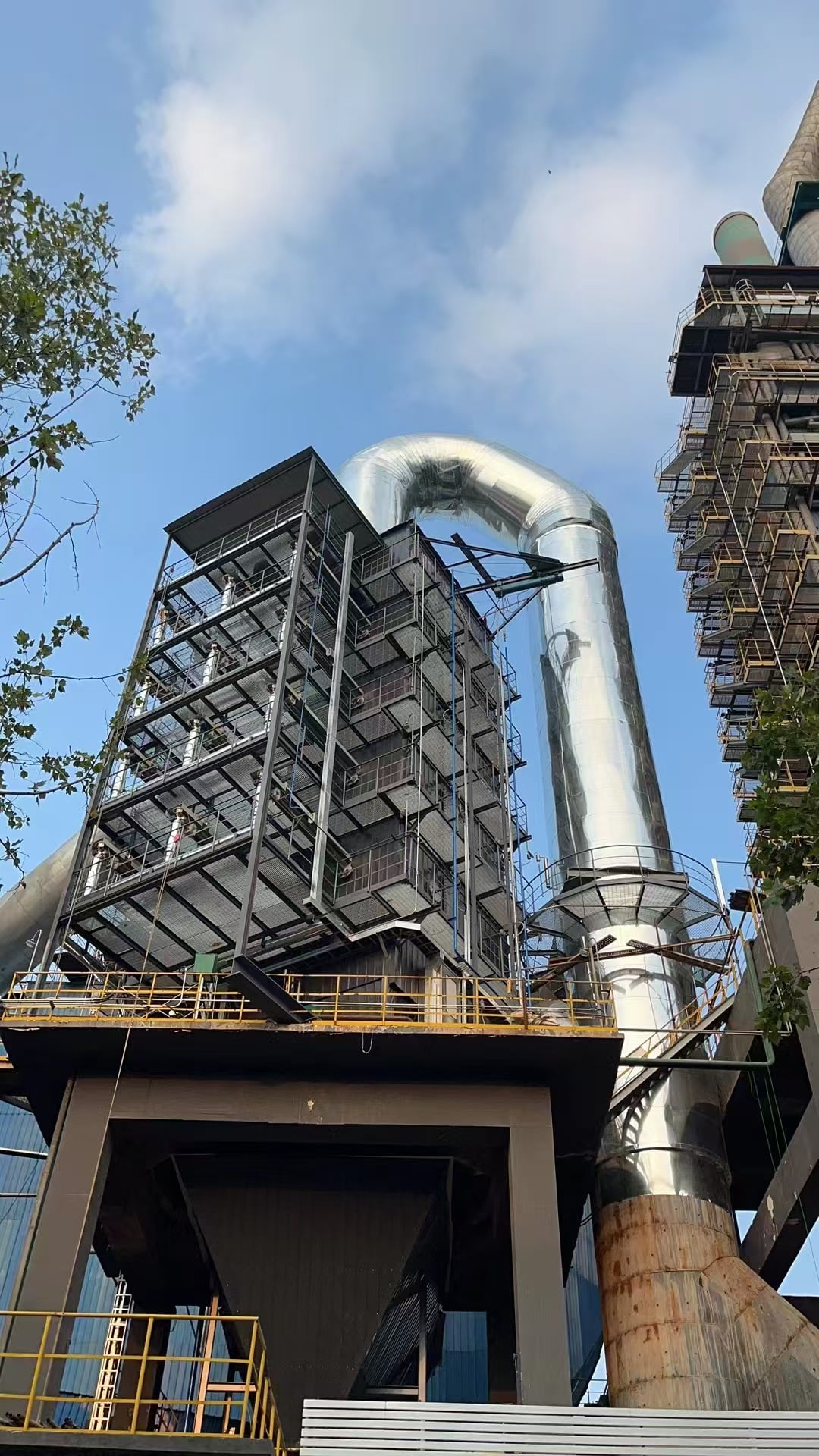
Introduction: The Growing Need for Advanced NOx Emission Control
Nitrogen oxides (NOx) are among the major air pollutants generated during industrial combustion processes. They are mainly produced from boilers, furnaces, kilns, gas turbines, waste incinerators, and other high-temperature combustion equipment. When released into the atmosphere, NOx contributes to acid rain, photochemical smog, and environmental problems that affect both ecosystems and human health.
With increasingly strict emission regulations worldwide, industrial companies are facing higher requirements for NOx reduction. Traditional combustion optimization methods alone are often unable to achieve ultra-low emission standards. As a result, advanced flue gas denitrification technologies have become essential for industries such as power generation, steel production, cement manufacturing, petrochemical processing, and waste-to-energy.
Among various NOx control technologies, Selective Catalytic Reduction (SCR) is widely recognized as one of the most efficient and reliable solutions. With high NOx removal efficiency, stable operation, and long-term performance, SCR denitrification systems have become a preferred choice for large-scale industrial emission control projects.
As a professional environmental protection technology company, MirShine Environmental Group provides customized SCR denitrification systems, engineering design, equipment supply, and EPC solutions to help industrial customers achieve cleaner production and meet environmental standards.
What Is an SCR Denitrification System?
SCR (Selective Catalytic Reduction) is an advanced flue gas denitrification technology that uses a reducing agent, usually ammonia (NH₃) or ammonia water, to convert nitrogen oxides (NOx) in flue gas into harmless nitrogen (N₂) and water vapor (H₂O).
The basic chemical reactions are:
4NO + 4NH₃ + O₂ → 4N₂ + 6H₂O
6NO₂ + 8NH₃ → 7N₂ + 12H₂O
During operation, ammonia is injected into the flue gas through an ammonia injection system. The mixed gas then passes through a catalyst layer inside the SCR reactor. Under suitable temperature conditions, the catalyst accelerates the chemical reaction between ammonia and NOx, significantly reducing NOx emissions.
Compared with other denitrification methods, SCR technology can achieve higher removal efficiency, typically reaching 80–95% NOx reduction, depending on operating conditions, catalyst selection, and system design.
Main Components of an Industrial SCR System
A complete SCR denitrification system consists of several important components working together to ensure stable and efficient NOx removal.
1. Ammonia Injection System
The ammonia injection system is responsible for accurately supplying and distributing ammonia into the flue gas.
A well-designed ammonia injection system ensures:
- Uniform ammonia distribution
- Reduced ammonia consumption
- Lower ammonia slip
- Stable SCR performance
Improper ammonia mixing may lead to uneven NOx removal and increased operating costs. Therefore, the design of ammonia injection grids (AIG) is a key factor affecting system efficiency.
2. SCR Reactor
The SCR reactor is the core equipment where the denitrification reaction takes place.
Inside the reactor, catalyst modules are arranged in multiple layers. The flue gas passes through the catalyst surface, allowing NOx and ammonia to react efficiently.
The SCR reactor design must consider:
- Flue gas velocity
- Temperature distribution
- Pressure loss
- Catalyst arrangement
- Maintenance requirements
For different industries, reactor designs may vary due to differences in flue gas composition and operating conditions.
3. SCR Catalyst
The catalyst is the most critical component of an SCR system.
Common SCR catalysts include:
- Titanium dioxide-based catalysts
- Vanadium-tungsten-titanium catalysts
- Honeycomb catalysts
- Plate catalysts
Catalyst selection depends on:
- Flue gas temperature
- Dust concentration
- Sulfur content
- Alkali metals
- Heavy metal content
For example, waste incineration plants usually have more complex flue gas compositions compared with power plants, requiring catalysts with better resistance against poisoning and deactivation.
4. Control System
The automatic control system monitors and adjusts SCR operation parameters, including:
- NOx concentration
- Ammonia injection rate
- Temperature
- Ammonia slip
- Flue gas flow rate
An intelligent control system helps maintain stable operation while reducing ammonia consumption and operating costs.
Why Choose SCR Technology for Industrial NOx Reduction?
1. High NOx Removal Efficiency
One of the biggest advantages of SCR technology is its high denitrification efficiency.
Compared with SNCR systems, SCR can achieve higher NOx reduction rates under properly designed conditions. This makes SCR suitable for industries requiring strict emission limits.
2. Suitable for Large Industrial Facilities
SCR systems are widely applied in:
- Coal-fired power plants
- Gas-fired power plants
- Steel plants
- Cement plants
- Chemical plants
- Glass manufacturing plants
- Waste-to-energy plants
These industries usually have continuous operation and strict environmental requirements, making stable SCR performance essential.
3. Lower Long-Term Operating Costs
Although SCR requires higher initial investment compared with some other technologies, it provides advantages during long-term operation.
A properly designed SCR system can reduce:
- Excess ammonia consumption
- Catalyst replacement frequency
- Maintenance costs
- Environmental compliance risks
Applications of MirShine SCR Denitrification Solutions
MirShine provides customized SCR solutions based on different industrial operating conditions.
Power Plants
Power plants produce large amounts of NOx due to high-temperature combustion. SCR systems help achieve ultra-low NOx emissions and improve environmental performance.
Cement Plants
Cement kiln exhaust gas contains high dust concentration and complex components. SCR design requires careful consideration of catalyst selection and temperature control.
Steel and Metallurgical Industry
Processes such as sintering and heating furnaces generate significant NOx emissions. SCR systems can effectively reduce NOx and support cleaner steel production.
Waste-to-Energy Plants
Waste incineration flue gas contains moisture, dust, and various pollutants. Advanced SCR solutions help ensure compliance with strict European emission standards.
Why Choose MirShine as Your SCR System Supplier?
MirShine Environmental Group focuses on providing comprehensive industrial emission control solutions.
Our capabilities include:
- Engineering design
- Process optimization
- Equipment manufacturing
- Project management
- Installation guidance
- Technical support
With experience in flue gas treatment technologies, MirShine integrates SCR denitrification with other environmental systems, including:
- Desulfurization systems
- Dust removal systems
- Ammonia supply systems
- Waste gas treatment solutions
Instead of providing a standard product, MirShine develops customized solutions according to each customer’s:
- Flue gas conditions
- Emission requirements
- Available installation space
- Investment budget
- Long-term operation goals
Conclusion
As environmental regulations continue to become stricter worldwide, efficient NOx emission control has become a critical requirement for industrial companies. SCR denitrification systems provide a reliable and effective solution for reducing NOx emissions and achieving long-term compliance.
Through advanced technology, customized engineering design, and professional project experience, MirShine helps industries worldwide implement efficient flue gas denitrification solutions.
Whether for a new industrial facility or an existing plant upgrade project, a properly designed SCR system can provide significant environmental and economic benefits.
Frequently Asked Questions (FAQ)
1. What is an SCR denitrification system?
An SCR denitrification system is a technology that removes nitrogen oxides (NOx) from industrial flue gas by injecting ammonia or ammonia-based reducing agents and using catalysts to convert NOx into nitrogen and water.
2. How does SCR reduce NOx emissions?
SCR reduces NOx through a chemical reaction between ammonia and nitrogen oxides on the catalyst surface. The reaction converts harmful NOx into harmless nitrogen and water.
3. What industries use SCR systems?
SCR systems are commonly used in power plants, cement plants, steel mills, petrochemical facilities, chemical plants, glass factories, and waste-to-energy plants.
4. What is the NOx removal efficiency of SCR?
A properly designed SCR system can typically achieve 80–95% NOx reduction, depending on operating conditions, catalyst type, and system design.
5. How long does SCR catalyst last?
SCR catalyst lifetime depends on flue gas conditions, pollutants, operating hours, and maintenance. In many industrial applications, catalyst modules can operate for several years before replacement or regeneration is required.
6. Can SCR systems be installed in existing plants?
Yes. SCR retrofit projects are widely used for upgrading existing boilers, kilns, and industrial facilities to meet stricter emission regulations.
7. What information is required for SCR system design?
Key design data includes:
- Flue gas flow rate
- NOx concentration
- Temperature
- Oxygen content
- Dust concentration
- SO₂ concentration
- Required outlet emission limits
8. Why choose an experienced SCR system supplier?
An experienced supplier can optimize reactor design, catalyst selection, ammonia injection, and control strategies to ensure stable operation, lower operating costs, and compliance with emission standards.
Table of Contents
- Introduction: The Growing Need for Advanced NOx Emission Control
- 1. Ammonia Injection System
- 2. SCR Reactor
- 3. SCR Catalyst
- 4. Control System
- 1. High NOx Removal Efficiency
- 2. Suitable for Large Industrial Facilities
- 3. Lower Long-Term Operating Costs
- Power Plants
- Cement Plants
- Steel and Metallurgical Industry
- Waste-to-Energy Plants
- 1. What is an SCR denitrification system?
- 2. How does SCR reduce NOx emissions?
- 3. What industries use SCR systems?
- 4. What is the NOx removal efficiency of SCR?
- 5. How long does SCR catalyst last?
- 6. Can SCR systems be installed in existing plants?
- 7. What information is required for SCR system design?
- 8. Why choose an experienced SCR system supplier?