 EN
EN


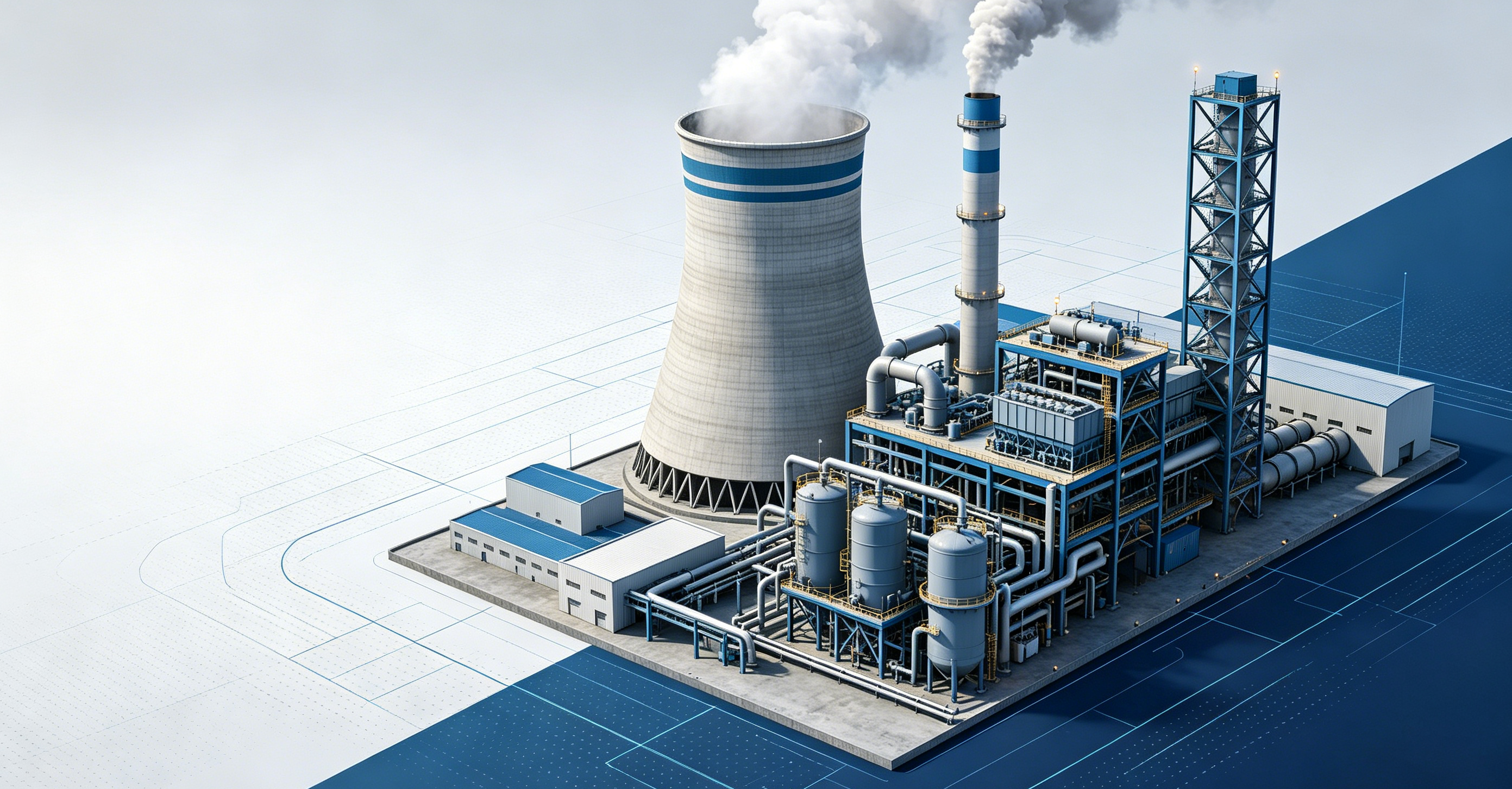
Industrial emission standards are becoming increasingly stringent across the world. Whether you operate a coal-fired power plant, a steel mill, a coking facility, a coal chemical plant, or another industrial boiler system, selecting the right flue gas desulfurization (FGD) system is one of the most important environmental investment decisions your company will make.
A well-designed desulfurization system not only helps ensure compliance with local environmental regulations but also influences long-term operating costs, plant reliability, maintenance requirements, and even future expansion plans.
However, choosing an FGD technology is rarely straightforward. Every industrial facility has unique fuel characteristics, emission targets, production requirements, and site conditions. The best solution for one project may not be suitable for another.
This guide outlines ten critical factors every plant owner should evaluate before selecting a flue gas desulfurization system.
1. Understand Your Flue Gas Characteristics
The first step in selecting an FGD system is understanding the composition of your flue gas.
Several parameters directly affect technology selection, including:
- Sulfur dioxide (SO₂) concentration
- Flue gas volume
- Flue gas temperature
- Oxygen content
- Dust concentration
- Moisture content
- Fuel type (coal, coke oven gas, biomass, heavy oil, etc.)
A detailed flue gas analysis provides the foundation for selecting the most appropriate desulfurization process. Without accurate operating data, even the most advanced technology may fail to deliver optimal performance.
2. Define Your Emission Targets
Different countries and industries have different emission standards.
Some projects only need to meet standard regulatory limits, while others must comply with ultra-low emission requirements.
When planning an FGD project, consider not only today’s regulations but also potential future tightening of environmental standards.
Many industrial operators now choose technologies capable of achieving sulfur dioxide removal efficiencies above 99% to avoid costly upgrades later.
Planning for the future often reduces overall lifecycle costs.
3. Evaluate Available Installation Space
Space limitations are one of the biggest challenges during retrofit projects.
Many older industrial plants simply do not have enough room for large environmental systems.
Traditional limestone-gypsum FGD systems require:
- Large absorber towers
- Limestone preparation units
- Gypsum dewatering systems
- Wastewater treatment facilities
- Extensive piping networks
Modern ammonia-based desulfurization systems typically have a more compact design.
Their modular configuration makes installation easier in existing facilities where available space is limited.
Before selecting any technology, conduct a detailed site survey to understand installation constraints.
4. Consider Water Availability
Water resources are becoming increasingly valuable in many industrial regions.
Conventional wet desulfurization systems consume significant amounts of water and often generate wastewater requiring additional treatment.
For facilities operating in water-scarce regions, water consumption should be a major selection criterion.
Ammonia-based desulfurization systems can be designed to achieve zero desulfurization wastewater discharge, reducing both water consumption and wastewater management costs.
This provides long-term environmental and economic advantages.
5. Analyze Operating Costs Instead of Initial Investment
Many project owners focus primarily on equipment purchase costs.
However, the lowest initial investment does not necessarily result in the lowest overall project cost.
Long-term operating expenses often include:
- Reagent consumption
- Electricity
- Water
- Maintenance
- Spare parts
- Waste disposal
- Labor
- Environmental compliance
A lifecycle cost analysis provides a much more accurate comparison between different FGD technologies.
In many cases, technologies with slightly higher initial investment deliver significantly lower operating costs over 15–20 years.
6. Evaluate By-Product Utilization
Modern environmental technologies increasingly emphasize resource recovery.
This is especially important for desulfurization projects.
Limestone FGD typically produces gypsum.
Ammonia FGD produces ammonium sulfate fertilizer.
The commercial value of these by-products varies depending on regional market demand.
If local fertilizer markets are strong, ammonia-based desulfurization can create additional revenue through ammonium sulfate sales.
By-product utilization should therefore be included in every economic evaluation.
7. Think Beyond SO₂ Removal
Many companies evaluate desulfurization systems based only on sulfur dioxide removal efficiency.
However, modern environmental regulations increasingly address additional pollutants.
These include:
- Ammonia slip
- Condensable particulate matter (CPM)
- Fine particulate emissions
- Wastewater discharge
- Secondary pollution
Choosing a technology capable of controlling multiple pollutants simultaneously can improve long-term regulatory compliance.
MirShine’s advanced ammonia-based desulfurization technology, for example, incorporates proprietary staged separation and purification technology that helps minimize ammonia slip while effectively controlling condensable particulate matter.
8. Assess System Reliability
Environmental equipment must operate continuously alongside the production process.
Unexpected shutdowns can affect both production and environmental compliance.
When evaluating suppliers, consider:
- Equipment operating history
- Project references
- Automation level
- Maintenance requirements
- Component quality
- Service support
Reliable equipment generally delivers greater long-term value than systems designed primarily to minimize initial investment.
9. Choose an Experienced Engineering Partner
An FGD project involves much more than equipment manufacturing.
Successful implementation requires expertise in:
- Process design
- Mechanical engineering
- Electrical systems
- Instrumentation
- Commissioning
- Operator training
- After-sales service
Selecting an experienced engineering company reduces project risks and improves long-term operating performance.
Look for suppliers with proven experience in projects similar to yours.
Their understanding of industry-specific operating conditions can significantly improve project outcomes.
10. Consider Future Sustainability Goals
Environmental protection is evolving beyond emission control.
Many industrial companies now have broader sustainability objectives, including:
- Carbon reduction
- Circular economy development
- Resource recycling
- Water conservation
- Energy efficiency
Your chosen desulfurization technology should support these long-term goals.
Ammonia-based desulfurization aligns particularly well with sustainable industrial development because it combines high sulfur removal efficiency with zero wastewater discharge, resource recovery, and valuable by-product production.
Rather than treating sulfur dioxide as waste, the process converts it into ammonium sulfate fertilizer, supporting circular economy principles.
Why More Companies Are Choosing Ammonia-Based Desulfurization
In recent years, more industrial enterprises have adopted ammonia FGD due to its combination of environmental performance and economic benefits.
Compared with conventional technologies, ammonia-based desulfurization offers several advantages:
- High SO₂ removal efficiency
- Compact system layout
- Reduced water consumption
- No desulfurization wastewater
- Valuable ammonium sulfate by-product
- Lower overall operating costs in many applications
- Excellent suitability for retrofit projects
For industries such as power generation, steelmaking, coking, and coal chemical production, these benefits can significantly improve long-term project value.
Common Mistakes When Selecting an FGD System
Many projects encounter avoidable problems because key factors are overlooked during the planning stage.
Some of the most common mistakes include:
- Choosing equipment based only on purchase price
- Ignoring future environmental regulations
- Underestimating maintenance requirements
- Overlooking by-product disposal costs
- Failing to evaluate wastewater treatment expenses
- Selecting suppliers without sufficient engineering experience
A comprehensive evaluation can prevent costly modifications later.
Final Thoughts
Selecting the right flue gas desulfurization system is a long-term strategic investment.
The ideal solution should not only achieve regulatory compliance today but also support future environmental goals, operational efficiency, and sustainable business growth.
Every project has unique technical and economic requirements, making careful planning essential.
By evaluating flue gas characteristics, environmental targets, operating costs, installation conditions, and long-term sustainability objectives, industrial enterprises can make more informed decisions and maximize the value of their environmental investments.
As global industries continue moving toward cleaner production, advanced desulfurization technologies will remain a key component of sustainable industrial development.
Frequently Asked Questions
What factors are most important when selecting an FGD system?
The most important factors include flue gas composition, sulfur dioxide concentration, emission targets, installation space, water availability, operating costs, and by-product utilization.
Which industries require flue gas desulfurization?
FGD systems are widely used in coal-fired power plants, steel mills, coking plants, coal chemical facilities, industrial boilers, waste-to-energy plants, and other industries that emit sulfur dioxide.
Is ammonia-based desulfurization suitable for new plants and retrofit projects?
Yes. Its compact design and flexible process configuration make it suitable for both new installations and upgrades of existing industrial facilities.
How long does an FGD system typically operate?
A properly designed and maintained FGD system can operate reliably for more than 20 years, depending on operating conditions and maintenance practices.
Does every plant need the same desulfurization technology?
No. The best technology depends on each plant’s fuel type, flue gas characteristics, environmental regulations, available space, and economic objectives.
Why is lifecycle cost more important than equipment price?
Because operating costs—including reagents, maintenance, energy, water, and waste treatment—often exceed the initial equipment investment over the lifetime of the project.
Can an FGD system generate economic benefits?
Yes. Technologies such as ammonia-based desulfurization produce ammonium sulfate fertilizer, which can be sold or utilized, creating additional economic value while reducing sulfur dioxide emissions.
Table of Contents
- 1. Understand Your Flue Gas Characteristics
- 2. Define Your Emission Targets
- 3. Evaluate Available Installation Space
- 4. Consider Water Availability
- 5. Analyze Operating Costs Instead of Initial Investment
- 6. Evaluate By-Product Utilization
- 7. Think Beyond SO₂ Removal
- 8. Assess System Reliability
- 9. Choose an Experienced Engineering Partner
- 10. Consider Future Sustainability Goals
- Why More Companies Are Choosing Ammonia-Based Desulfurization
- Common Mistakes When Selecting an FGD System
- Final Thoughts
-
Frequently Asked Questions
- What factors are most important when selecting an FGD system?
- Which industries require flue gas desulfurization?
- Is ammonia-based desulfurization suitable for new plants and retrofit projects?
- How long does an FGD system typically operate?
- Does every plant need the same desulfurization technology?
- Why is lifecycle cost more important than equipment price?
- Can an FGD system generate economic benefits?