 EN
EN


Meta Description:
Explore the chemistry, system design, and engineering of ammonia-based flue gas desulfurization for efficient SO₂ removal and sustainable industrial operations.
Introduction
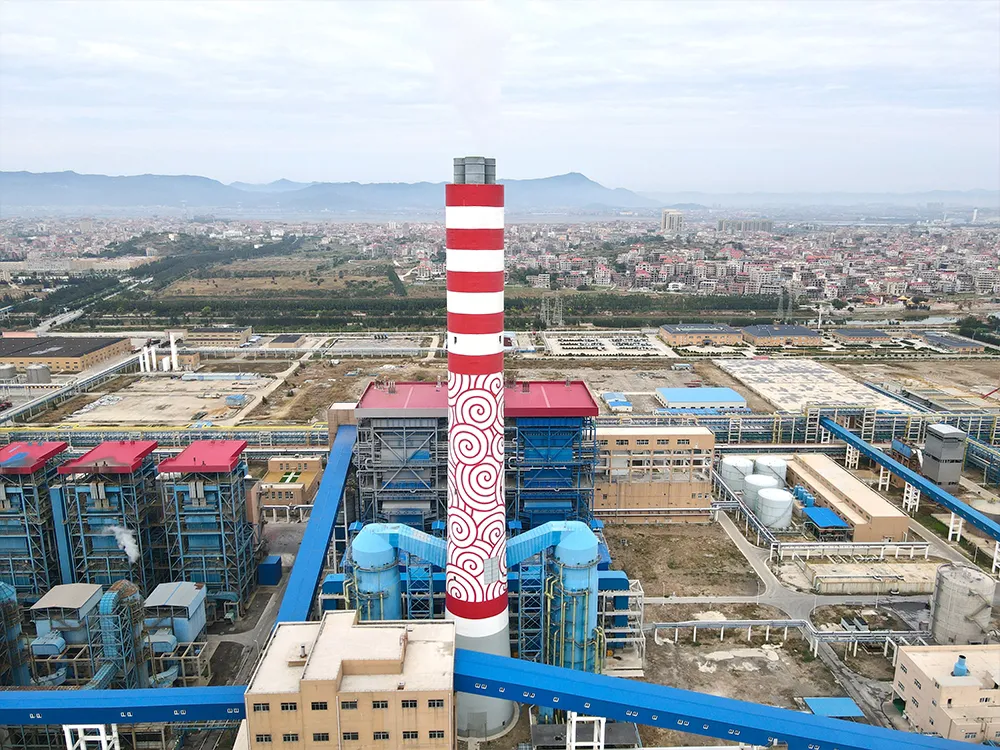
The demand for cleaner industrial processes has led to the advancement of chemical engineering solutions that mitigate pollution without compromising efficiency. Ammonia-based flue gas desulfurization (NH₃-FGD) is one such solution, integrating chemical reactions and engineering designs to capture sulfur dioxide emissions effectively. Understanding both the chemistry and the engineering behind NH₃-FGD is essential for optimal operation and sustainability.
Chemical Mechanisms
Ammonia reacts with SO₂ in flue gas to form ammonium sulfite ((NH₄)₂SO₃) as an intermediate, which is then oxidized to ammonium sulfate ((NH₄)₂SO₄). The reaction is highly efficient and can remove up to 99% of SO₂ from industrial emissions. The chemical equations are as follows:
SO₂ + 2NH₃ + H₂O → (NH₄)₂SO₃
(NH₄)₂SO₃ + ½O₂ → (NH₄)₂SO₄
This ensures minimal residual sulfur emissions while generating a valuable fertilizer byproduct.
System Design
Absorbers and Scrubbers
NH₃-FGD systems typically include absorbers where flue gas contacts ammonia solution. In wet systems, a packed tower or spray tower maximizes gas-liquid contact. Dry systems use fluidized beds or injection nozzles for solid product formation.
Optimization Parameters
Gas flow rate
Ammonia dosage
Temperature and humidity control
Fine-tuning these parameters ensures maximum SO₂ removal and minimizes ammonia slip into the atmosphere.
Automation and Digital Monitoring
Modern NH₃-FGD plants are equipped with sensors and digital control systems. Real-time data collection allows predictive maintenance, system diagnostics, and process optimization. Automated adjustments improve reliability and reduce operational risks.
Comparison with Other Desulfurization Methods
Limestone-gypsum FGD: Lower initial cost but produces wet gypsum slurry
Ammonia FGD: Higher efficiency, generates ammonium sulfate byproduct
Dry lime FGD: Less water-intensive but lower SO₂ removal efficiency
Operational Challenges
Challenges include ammonia slip, corrosion control, and solid byproduct handling. Proper engineering design and monitoring mitigate these risks effectively.
Industrial Applications
NH₃-FGD is used in:
Coal-fired power plants
Petroleum refineries
Metal smelting
Waste-to-energy incineration
Conclusion
Understanding the chemistry and engineering behind ammonia desulfurization is critical for achieving high removal efficiency, operational reliability, and sustainable byproduct utilization. NH₃-FGD combines science and technology to meet modern industrial and environmental standards.