 EN
EN


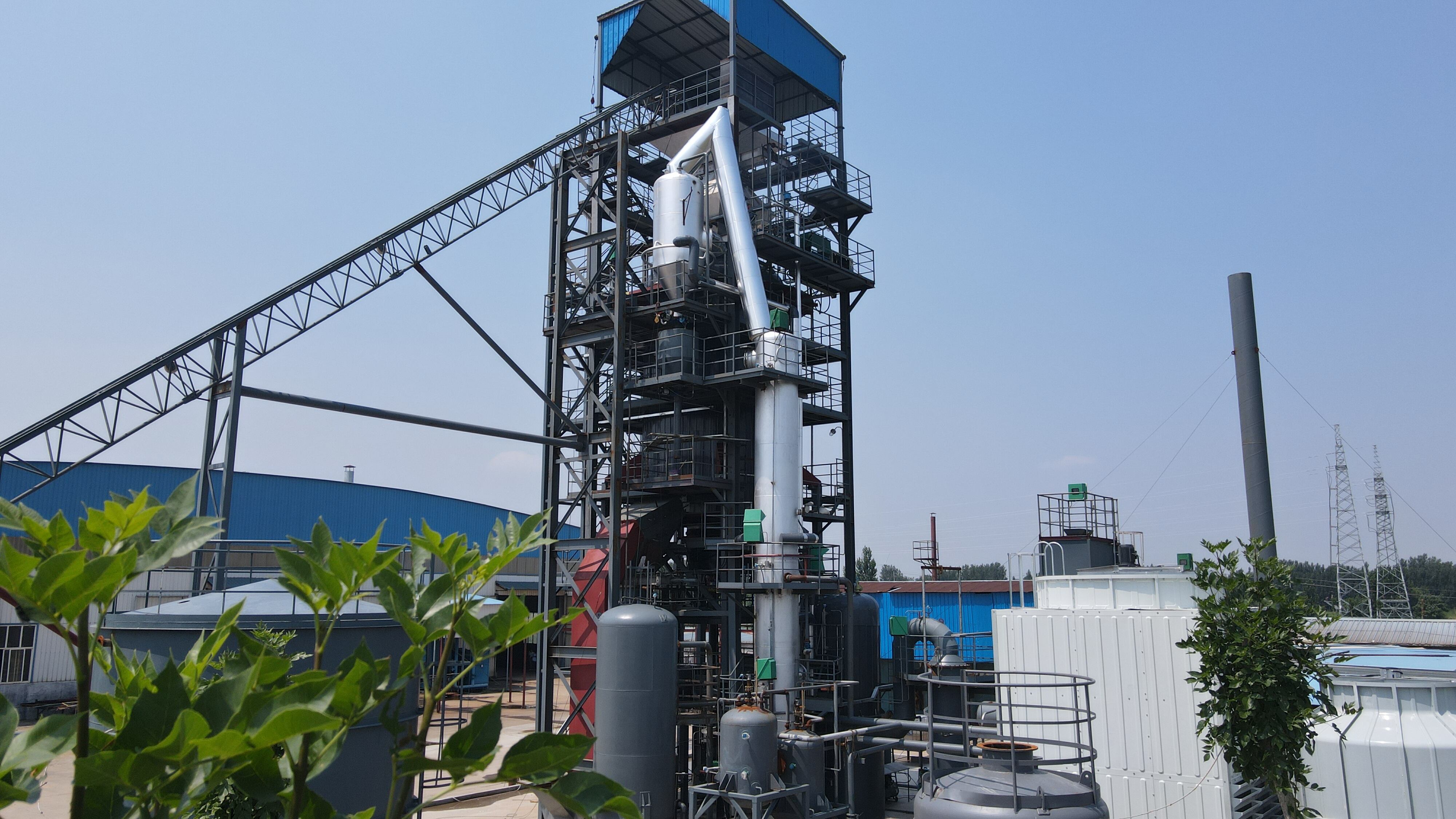
Explore tire pyrolysis technology for converting waste tires into oil, carbon black, and gas, promoting sustainable and profitable recycling solutions.
Introduction
The global accumulation of waste tires poses significant environmental challenges. Landfilling and improper disposal not only occupy land but also lead to pollution and fire hazards. Tire pyrolysis technology offers a sustainable solution by converting end-of-life tires into valuable products, including pyrolysis oil, carbon black, and combustible gas. This process aligns with circular economy principles and provides economic incentives for industries and municipalities.
Understanding Tire Pyrolysis
Chemical Principles of Pyrolysis
Pyrolysis is a thermochemical decomposition of organic materials at high temperatures in the absence of oxygen. For waste tires, pyrolysis breaks down complex polymers into simpler compounds:
Pyrolysis oil: can be used as fuel or chemical feedstock
Carbon black: can replace virgin carbon black in rubber or construction materials
Pyrolysis gas: can be used to supply energy for the process itself
Tire Pyrolysis System Components
A complete tire pyrolysis plant typically consists of:
Feeding system: transports shredded tires into the reactor
Pyrolysis reactor: core component where thermal decomposition occurs
Condensation system: collects pyrolysis oil
Carbon black collection: filters solid residue
Gas recovery system: burns combustible gas to supply heat
Environmental and Economic Benefits
Waste Reduction and Pollution Control
Tire pyrolysis reduces the volume of discarded tires, preventing land and air pollution associated with tire fires. The technology also lowers dependence on fossil fuels by producing usable energy from waste.
Revenue Generation
By converting tires into marketable products, companies can create multiple revenue streams. Pyrolysis oil can be sold as industrial fuel, carbon black can be reused in rubber and asphalt, and gas can supply process energy, improving overall plant economics.
Operational Considerations
Efficiency and Output Quality
Modern tire pyrolysis plants are designed to maximize oil yield, produce high-quality carbon black, and minimize emissions. Temperature control, reactor type, and feedstock preparation significantly influence product quality.
Safety Measures
Handling high-temperature reactors and flammable pyrolysis gas requires strict safety protocols. Automated monitoring and emergency venting systems are essential to ensure operational safety.
Global Applications
Tire pyrolysis technology has been widely adopted in:
Waste tire management in industrial parks
Municipal recycling programs
Rubber and asphalt production industries
Conclusion
Tire pyrolysis provides an environmentally friendly and economically viable solution for managing waste tires. By turning discarded tires into valuable products, industries can contribute to sustainability while generating profit, making tire pyrolysis an essential technology in modern waste management.