 EN
EN


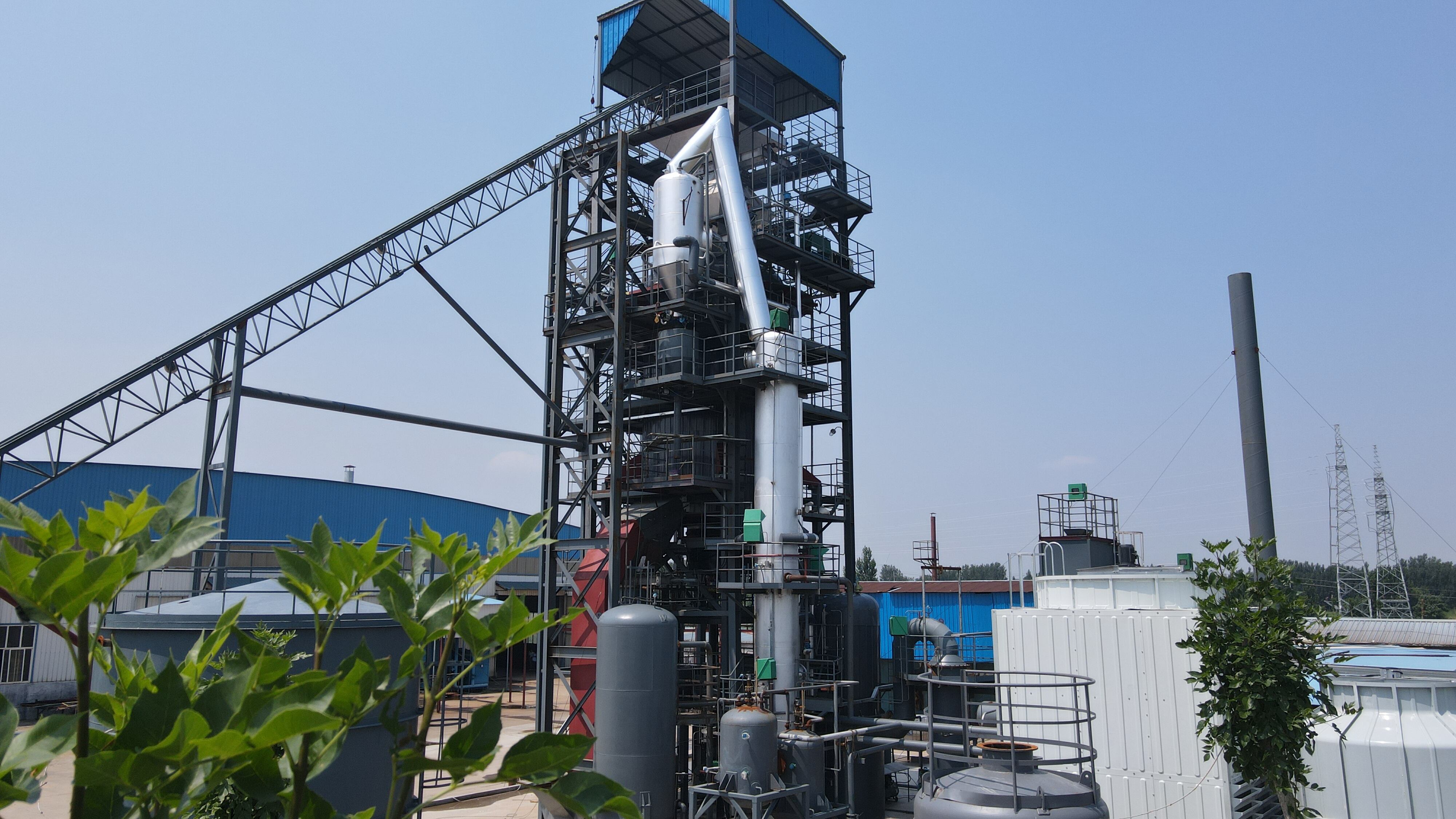
1. The Growing Global Challenge of Waste Tires
Waste tires have become one of the most persistent environmental challenges worldwide. Each year, millions of tons of end-of-life tires are generated globally, driven by the rapid growth of vehicle ownership, logistics transportation, and industrial machinery.
Unlike many other solid wastes, tires are:
Highly durable and non-biodegradable
Difficult to compact or landfill efficiently
Prone to fire hazards if improperly stored
Traditional disposal methods such as landfilling or open burning are increasingly restricted due to environmental and safety concerns. As a result, governments, investors, and industrial operators are actively seeking technically mature and commercially viable recycling solutions.
Waste tire pyrolysis has emerged as one of the most promising technologies to address this challenge.
2. What Is Waste Tire Pyrolysis?
Waste tire pyrolysis is a thermochemical recycling process that decomposes scrap tires in an oxygen-free environment at elevated temperatures, typically between 350–550°C.
Through controlled pyrolysis, waste tires are converted into several valuable products:
Pyrolysis oil (fuel oil or chemical feedstock)
Recovered carbon black (rCB)
Steel wire
Non-condensable gas (used as process fuel)
Unlike incineration, pyrolysis does not involve direct combustion, making it a low-emission and energy-efficient recycling route.
3. Why Pyrolysis Is Gaining Global Attention
Several factors are driving the global adoption of waste tire pyrolysis:
3.1 Environmental Regulations and Circular Economy Goals
Many countries have introduced strict regulations limiting landfill disposal of tires. At the same time, circular economy policies encourage material recovery rather than destruction.
Pyrolysis aligns well with these goals by converting waste into reusable resources rather than generating ash or residues.
3.2 Rising Demand for Alternative Fuels and Recovered Materials
Pyrolysis oil can be used as:
Industrial fuel
Blending component for refined fuels
Feedstock for further upgrading
Recovered carbon black can partially replace virgin carbon black in rubber products, construction materials, and pigments.
These markets provide stable downstream demand, supporting the commercial viability of pyrolysis projects.
4. Key Advantages of Waste Tire Pyrolysis Technology
4.1 High Resource Recovery Efficiency
Modern pyrolysis systems can recover over 90% of tire mass in the form of oil, carbon black, steel, and gas. This significantly reduces waste volume while maximizing material utilization.
4.2 Flexible Feedstock Adaptability
Advanced pyrolysis systems can process:
Passenger car tires
Truck and OTR tires
Tire-derived rubber granules
This flexibility is critical for regions with mixed waste tire streams.
4.3 Energy Self-Sufficiency
Non-condensable pyrolysis gas generated during the process can be reused as a fuel for heating the reactor, reducing external energy consumption and operating costs.
4.4 Lower Emissions Compared to Conventional Disposal
With proper gas cleaning and condensation systems, pyrolysis plants achieve:
Low particulate emissions
Controlled VOC release
Minimal odor impact
This makes pyrolysis suitable even for industrial zones near populated areas.
5. Key Technical Considerations for a Successful Pyrolysis Project
While pyrolysis offers significant advantages, project success depends heavily on engineering design and operational control.
5.1 Reactor Design
Reactor type directly affects:
Heat transfer efficiency
Product quality
Operational stability
Continuous or semi-continuous reactors are generally preferred for industrial-scale projects due to higher throughput and consistent product output.
5.2 Temperature and Residence Time Control
Precise temperature control is essential to:
Maximize oil yield
Improve carbon black quality
Minimize tar and wax formation
Advanced automation systems ensure stable operation under varying feedstock conditions.
5.3 Gas Cleaning and Condensation System
Efficient separation and purification of pyrolysis gas and oil are critical for:
Meeting environmental standards
Improving oil quality
Protecting downstream equipment
A well-designed condensation and scrubbing system is a key indicator of a mature pyrolysis technology provider.
6. Addressing Common Concerns About Tire Pyrolysis
6.1 Environmental Compliance
One of the most frequent concerns is whether pyrolysis plants can meet environmental regulations. In reality, modern systems equipped with multi-stage gas treatment and dust removal can fully comply with international emission standards.
6.2 Product Marketability
Another concern is the saleability of pyrolysis products. This depends on:
Consistent product quality
Proper post-treatment
Clear downstream application strategy
Recovered carbon black, for example, may require further grinding or modification to meet specific application requirements.
6.3 Economic Feasibility
Project economics are influenced by:
Feedstock cost (or gate fee)
Product pricing
Energy consumption
Maintenance and labor
Well-designed projects often achieve short payback periods, especially in regions with strong waste management policies.
7. Waste Tire Pyrolysis in Industrial Applications
Waste tire pyrolysis is increasingly adopted in:
Industrial parks
Cement plants (as integrated fuel systems)
Chemical recycling facilities
Its modular nature allows capacity scaling based on local waste availability and market demand.
8. A Long-Term Sustainable Solution
Waste tire pyrolysis is no longer an experimental technology. With proper engineering, environmental control, and market integration, it represents a long-term, scalable solution for waste tire management.
For governments, it reduces landfill pressure.
For investors, it creates stable returns.
For industries, it supports sustainable production and ESG goals.
As global demand for resource recovery continues to grow, waste tire pyrolysis will play an increasingly important role in the future of industrial recycling.
Table of Contents
- 1. The Growing Global Challenge of Waste Tires
- 2. What Is Waste Tire Pyrolysis?
- 3. Why Pyrolysis Is Gaining Global Attention
- 4. Key Advantages of Waste Tire Pyrolysis Technology
- 5. Key Technical Considerations for a Successful Pyrolysis Project
- 6. Addressing Common Concerns About Tire Pyrolysis
- 7. Waste Tire Pyrolysis in Industrial Applications
- 8. A Long-Term Sustainable Solution