 EN
EN


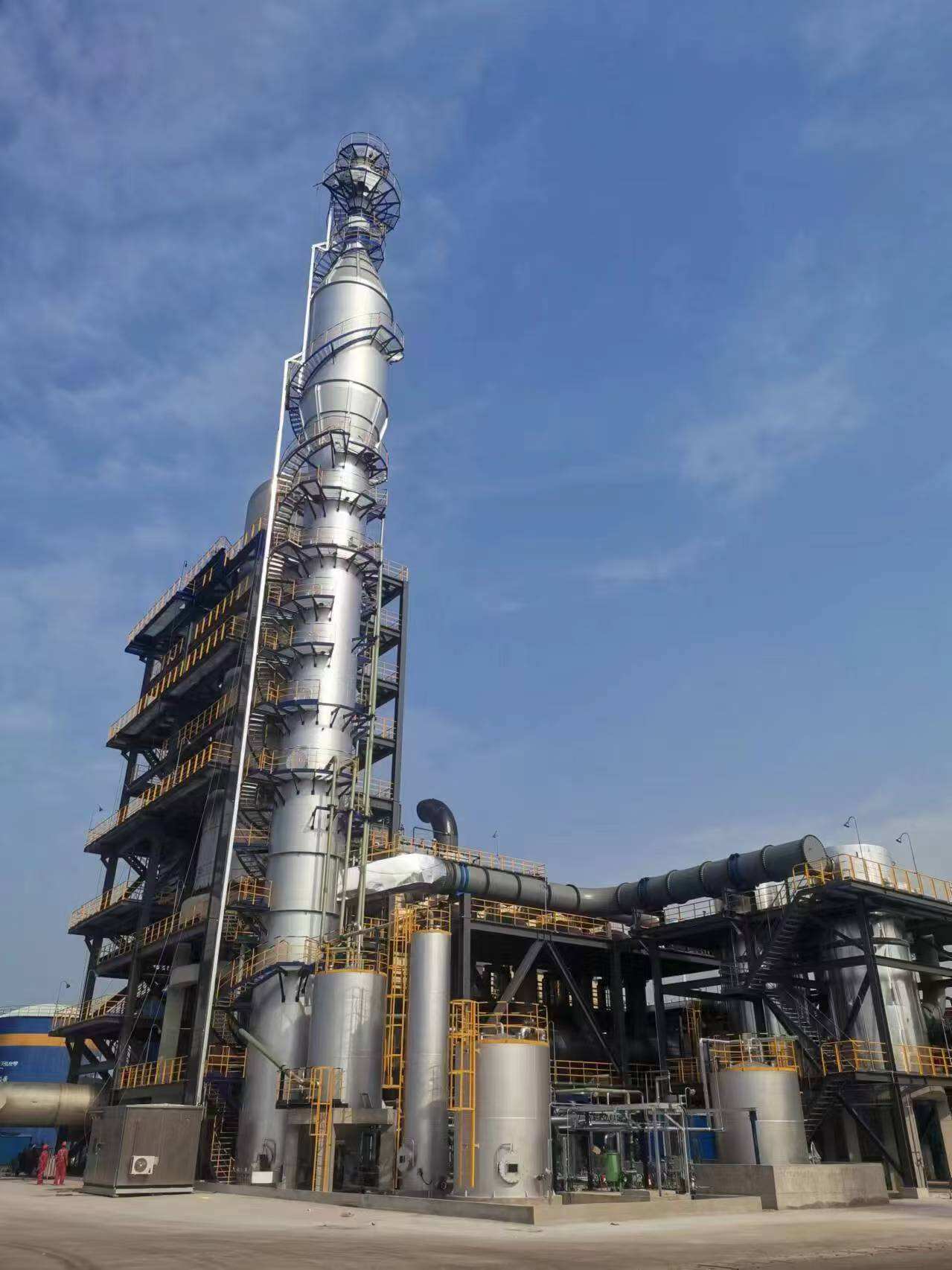
Introduction
Coal-fired power plants remain an essential part of the global energy mix, particularly in developing economies where reliable base-load electricity is critical for industrial growth and energy security. However, these facilities are also among the largest sources of sulfur dioxide (SO₂) emissions, which contribute to acid rain, particulate pollution, and regional air quality issues.
In response, environmental regulations around the world have become increasingly strict. Power plants are now required to adopt efficient flue gas desulfurization (FGD) systems capable of achieving ultra-low emission standards while maintaining stable plant operation and reasonable operating costs.
Among the available technologies, ammonia-based flue gas desulfurization has gained growing attention due to its high removal efficiency, by-product recovery, and potential economic benefits.
Understanding Ammonia-Based Desulfurization
Ammonia-based flue gas desulfurization (often referred to as ammonia FGD) uses ammonia or ammonia solution as the absorbent to remove sulfur dioxide from flue gas.
The core reaction converts SO₂ into ammonium sulfate, a valuable chemical widely used as an agricultural fertilizer. Instead of producing waste gypsum or sludge, the process generates a marketable product that can be sold or reused.
This dual benefit—pollution control combined with resource recovery—makes ammonia desulfurization particularly attractive for large-scale industrial facilities such as power plants.
High Desulfurization Efficiency
One of the most important requirements for power plant emission control systems is reliability in achieving regulatory limits.
Modern ammonia-based desulfurization systems can achieve sulfur removal efficiencies exceeding 98%, allowing plants to meet even the most stringent environmental standards.
The process is highly effective across a wide range of flue gas conditions, including:
High sulfur coal combustion
Large flue gas volumes
Variable boiler loads
With proper system design and operational control, ammonia FGD systems can maintain stable performance even under fluctuating operating conditions.
Resource Recovery and Economic Value
Unlike many other desulfurization methods that produce waste by-products requiring disposal, ammonia-based systems convert sulfur dioxide into ammonium sulfate.
Ammonium sulfate is widely used as:
Nitrogen fertilizer
Soil conditioner
Industrial chemical raw material
For power plants located near agricultural regions or fertilizer markets, the recovered ammonium sulfate can generate additional revenue that partially offsets operating costs.
This resource recovery feature significantly improves the overall economics of emission control systems.
Lower Solid Waste Generation
Traditional limestone-gypsum desulfurization produces large quantities of gypsum, which may require additional processing or disposal if the local market demand is limited.
In contrast, ammonia-based desulfurization produces minimal solid waste. The process primarily generates liquid-phase products that can be crystallized into fertilizer-grade ammonium sulfate.
This helps power plants reduce landfill requirements and improve overall environmental performance.
Operational Flexibility
Power plants often operate under varying load conditions depending on electricity demand.
Ammonia desulfurization systems offer strong operational flexibility due to their fast reaction kinetics and efficient gas-liquid contact processes.
Key advantages include:
Rapid response to load changes
Stable operation across wide temperature ranges
Lower pressure drop in the system
These characteristics make ammonia FGD suitable for both new power plants and retrofitting projects.
Addressing Traditional Challenges
Earlier generations of ammonia desulfurization systems sometimes faced issues such as ammonia slip or aerosol formation.
However, modern system designs now incorporate advanced solutions including:
Multi-stage gas-liquid separation
Aerosol removal technologies
Precise ammonia injection control
These improvements significantly reduce ammonia emissions and ensure compliance with environmental standards.
Future Outlook
As environmental regulations continue to tighten worldwide, power plants must adopt technologies that combine high efficiency with sustainable operation.
Ammonia-based flue gas desulfurization provides a compelling solution by integrating:
High sulfur removal efficiency
Resource recovery
Lower waste generation
Economic benefits
With continuous technological improvements, ammonia FGD is expected to play an increasingly important role in the future of clean coal power generation.