 EN
EN


जब चीन 1 मार्च, 2026 को संशोधित वातावरणीय वायु गुणवत्ता मानकों को लागू करने की तैयारी कर रहा है, तो औद्योगिक उत्सर्जन नियंत्रण क्षेत्र वायु प्रदूषण प्रबंधन के एक नए चरण में प्रवेश कर रहा है, जो अधिक गहन और व्यापक है। मिरशाइन पर्यावरण की नीति व्याख्या श्रृंखला के इस संस्करण में, मिरशाइन पारिस्थितिक अनुसंधान संस्थान की मुख्य विशेषज्ञ और शांडोंग जियानज़ू विश्वविद्यालय की मास्टर्स सुपरवाइजर प्रोफेसर गुइक़िन झांग ने संशोधित मानकों के प्रभावों और अमोनिया-आधारित धुएँ के गैस डीसल्फराइज़ेशन तकनीक की भविष्य की विकास दिशा पर अपने व्यावसायिक अंतर्दृष्टि साझा की है।
वायुमंडलीय पर्यावरण विज्ञान और वायु प्रदूषण नियंत्रण अनुसंधान में दशकों के अनुभव के साथ, प्रोफेसर झांग ने कोयला-संचालित धुएँ के गैस उपचार तकनीकों और पर्यावरणीय नीति विकास पर व्यापक अध्ययन किए हैं। उनके विश्लेषण से औद्योगिक उद्यमों को बढ़ती हुई कड़ाई वाले पर्यावरणीय विनियमों के तहत दीर्घकालिक अनुपालन के लिए मूल्यवान मार्गदर्शन प्राप्त होता है।
संशोधित परिवेश वायु गुणवत्ता मानकों में लाए गए सबसे महत्वपूर्ण परिवर्तनों में से एक वार्षिक PM2.5 सांद्रता सीमा को 35 μg/m3 से 25 μg/m3 तक सख्त करना है।
प्रोफेसर झांग के अनुसार, यह समायोजन संख्यात्मक संशोधन से कहीं अधिक है। यह चीन के पारंपरिक प्रदूषण नियंत्रण से वायु गुणवत्ता प्रबंधन के गहरे और अधिक परिष्कृत चरण की ओर संक्रमण को दर्शाता है।
पर्यावरण मानकों के हर सख्त होने के लिए औद्योगिक उत्सर्जन नियंत्रण प्रौद्योगिकियों में इसी तरह की प्रगति की आवश्यकता होती है, प्रोफेसर झांग ने समझाया। कोयला के रासायनिक प्रसंस्करण, ताप विद्युत उत्पादन और कोक उत्पादन जैसे उद्योगों के लिए, वर्तमान उत्सर्जन सीमाओं को पूरा करना ही पर्याप्त नहीं है। उद्यमों को भविष्य की प्रौद्योगिकियों को अपनाना चाहिए जो भविष्य के नियामक विकास के अनुकूल हो सकें।
जैसे-जैसे सरकारें स्वच्छ वायु और कम कणिका सांद्रता की प्राप्ति के लिए निरंतर प्रयासरत हैं, औद्योगिक सुविधाओं को प्राथमिक और द्वितीयक प्रदूषक उत्सर्जन दोनों के संबंध में बढ़ती हुई जांच का सामना करना पड़ेगा।
जबकि पारंपरिक धुएँ के गैस उपचार प्रौद्योगिकियों ने सल्फर डाइऑक्साइड (SO₂), नाइट्रोजन ऑक्साइड्स (NOₓ) और फ़िल्टर किए जा सकने वाले कणिका पदार्थ के नियंत्रण में महत्वपूर्ण प्रगति की है, प्रोफेसर झांग ने जोर देकर कहा कि उद्योग को दो अक्सर अनदेखे किए जाने वाले प्रदूषकों—अमोनिया स्लिप और संघननीय कणिका पदार्थ (CPM)—पर अधिक ध्यान केंद्रित करना आवश्यक है।
इन प्रदूषकों को द्वितीयक PM2.5 निर्माण के महत्वपूर्ण योगदानकर्ताओं के रूप में बढ़ती मान्यता प्राप्त हो रही है, और ये भविष्य में पर्यावरणीय अनुपालन को प्रभावित करने वाले प्रमुख कारक बन सकते हैं।
SCR नाइट्रोजन अपचयन प्रणालियों और पारंपरिक आर्द्र डीसल्फराइजेशन प्रक्रियाओं में, अभिकृत अमोनिया धुएँ के गैस के साथ बाहर निकल सकती है। एक बार वातावरण में छोड़े जाने के बाद, अमोनिया सल्फर डाइऑक्साइड, नाइट्रोजन ऑक्साइड्स और अन्य अम्लीय यौगिकों के साथ अभिक्रिया करके अमोनियम सल्फेट और अमोनियम नाइट्रेट जैसे द्वितीयक एरोसोल बना सकती है। ये सूक्ष्म कण वातावरणीय PM2.5 प्रदूषण के महत्वपूर्ण योगदानकर्ता हैं।
संघननीय कणिका पदार्थ एक अतिरिक्त चुनौती प्रस्तुत करता है। पारंपरिक कणिका पदार्थ के विपरीत, CPM मुख्य रूप से धुएँ के गैस प्रवाह में गैसीय रूप में मौजूद होता है और इसे मानक धूल संग्रह उपकरणों का उपयोग करके पकड़ना अक्सर कठिन होता है। चिमनी के माध्यम से निकलने के बाद, ये गैसीय यौगिक वातावरण में ठंडे होकर संघनित हो जाते हैं, जिससे सूक्ष्म ठोस या तरल कणों का निर्माण होता है जो सीधे PM2.5 सांद्रता में योगदान देते हैं।
प्रोफेसर झांग ने नोट किया कि यद्यपि कुछ सुविधाएँ पारंपरिक कणीय उत्सर्जन में उत्कृष्ट प्रदर्शन करती हैं, फिर भी अमोनिया स्लिप और CPM उत्सर्जन को उचित रूप से नियंत्रित नहीं करने पर वे PM2.5 कमी प्राप्त करने में असमर्थ रह सकती हैं।
उन्होंने आगे बताया कि नियामक अधिकारियों ने पहले ही इन प्रदूषकों को लक्षित करने वाली परीक्षण पद्धतियाँ और उत्सर्जन मानक प्रस्तावित कर दिए हैं। पर्यावरणीय निगरानी धीरे-धीरे पारंपरिक प्रदूषक नियंत्रण से समग्र प्रदूषक प्रबंधन की ओर विस्तारित हो रही है।
औद्योगिक उद्यमों के लिए, द्वितीयक प्रदूषक नियंत्रण प्रौद्योगिकियों में सक्रिय निवेश अब एक अनुपालन आवश्यकता के साथ-साथ एक प्रतिस्पर्धात्मक लाभ भी बन गया है।
अपने नीति विश्लेषण के आधार पर, प्रोफेसर झांग ने बदलते नियामक ढांचे के तहत अमोनिया-आधारित डिसल्फराइजेशन प्रौद्योगिकी की भूमिका का अध्ययन किया।
पारंपरिक डीसल्फराइजेशन प्रक्रियाओं के विपरीत, अमोनिया-आधारित फ्लू गैस डीसल्फराइजेशन में अमोनिया को अवशोषक के रूप में उपयोग किया जाता है, जो ऑप्टिमाइज़्ड सिस्टम डिज़ाइन के माध्यम से सल्फर डाइऑक्साइड, अमोनिया स्लिप और संघननीय कणीय पदार्थ के एक साथ नियंत्रण की संभावना प्रदान करता है।
पेटेंट युक्त उपकरण संरचनाओं और सावधानीपूर्ण रूप से अभियांत्रिकृत प्रक्रिया पैरामीटर्स के माध्यम से, अमोनिया-आधारित डीसल्फराइजेशन प्रणालियाँ व्यापक अतिरिक्त अंत-पाइप उपचार सुविधाओं की आवश्यकता के बिना बहु-प्रदूषक नियंत्रण प्राप्त कर सकती हैं।
कोयला रसायन, तापीय शक्ति, कोकिंग और उन्नत सामग्री उद्योगों में परियोजनाओं से प्राप्त संचालन डेटा से उत्कृष्ट पर्यावरणीय प्रदर्शन का प्रदर्शन किया गया है। इन अनुप्रयोगों में, अमोनिया स्लिप की सांद्रता नियामक सीमा 3 mg/m³ से लगातार काफी कम बनी हुई है, जबकि संघननीय कणीय पदार्थ के उत्सर्जन भी उद्योग में अग्रणी स्तर तक पहुँच गए हैं। 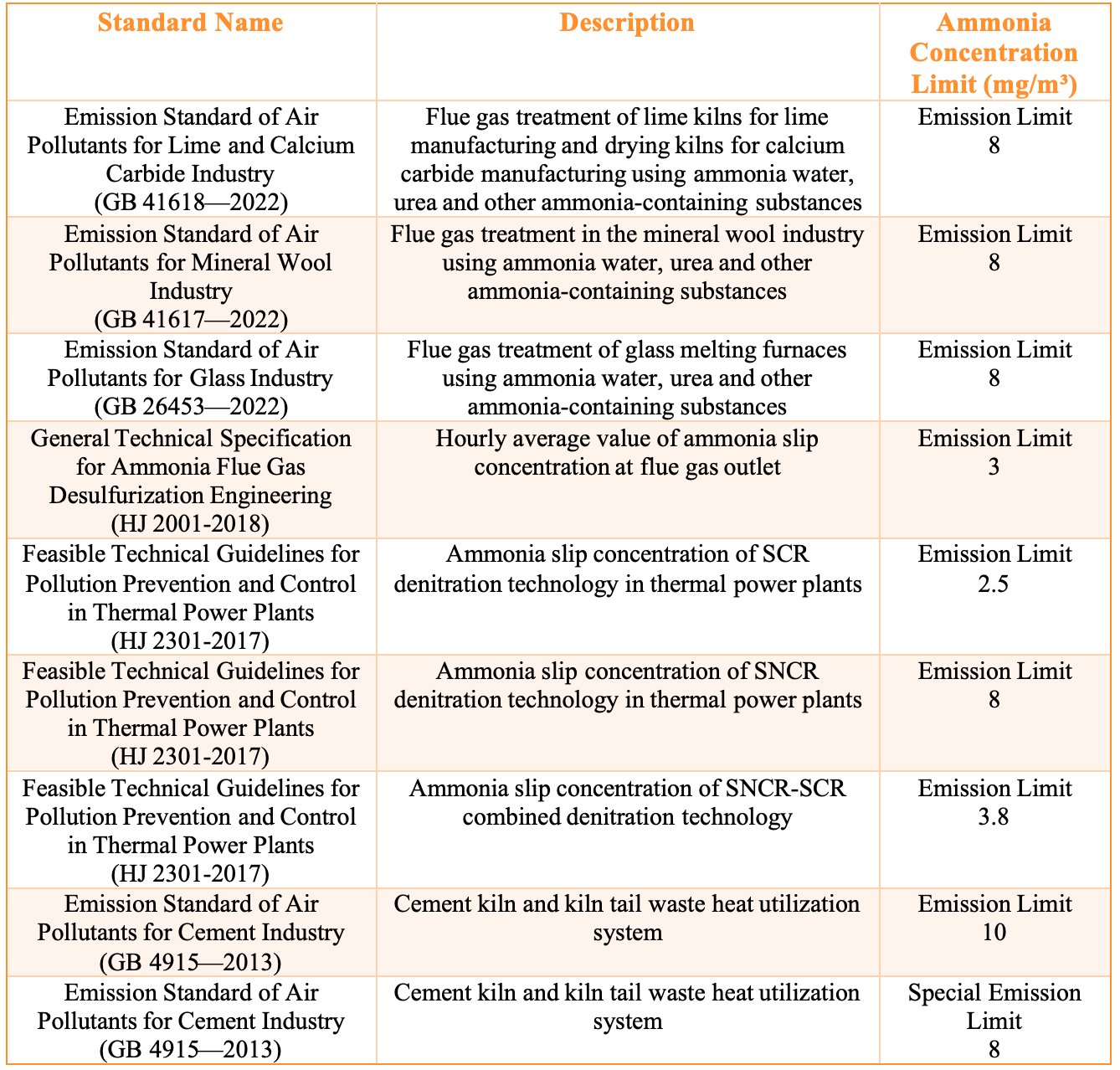
प्रोफेसर झांग ने जोर देकर कहा कि यह प्रौद्योगिकी पर्यावरणीय लाभों के अतिरिक्त महत्वपूर्ण आर्थिक लाभ भी प्रदान करती है।
पहले, अमोनिया-आधारित डीसल्फराइजेशन प्रक्रिया डीसल्फराइजेशन के कारण उत्पन्न होने वाले अपशिष्ट जल के बिना कार्य करती है, जिससे अपशिष्ट जल उपचार और शून्य-तरल-निष्कर्षण (ज़ीरो-लिक्विड-डिस्चार्ज) प्रणालियों से संबंधित पूंजी निवेश और संचालन लागतों को समाप्त कर दिया जाता है।
दूसरे, यह प्रक्रिया सल्फर डाइऑक्साइड को अमोनियम सल्फेट में परिवर्तित करती है, जो एक मूल्यवान उर्वरक उत्पाद है जिसे वाणिज्यिक रूप से बेचा जा सकता है, जिससे सल्फर संसाधनों का पुनर्चक्रण संभव होता है तथा पर्यावरणीय और आर्थिक लाभ दोनों प्राप्त किए जा सकते हैं।
आगे की ओर देखते हुए, प्रोफेसर झांग का मानना है कि PM2.5 मानकों के कड़ा होने से औद्योगिक उत्सर्जन नियंत्रण के प्रतिस्पर्धात्मक परिदृश्य को मौलिक रूप से पुनर्गठित किया जाएगा।
“धुएँ के गैस उपचार का भविष्य केवल इस बात पर निर्भर नहीं होगा कि कोई कंपनी उत्सर्जन मानकों को पूरा कर सकती है या नहीं,” उन्होंने स्पष्ट किया। “वास्तविक चुनौती कम पर्यावरणीय प्रभाव और अधिक आर्थिक दक्षता के साथ अनुपालन प्राप्त करना होगी।”
अमोनिया स्लिप, संघननीय कणीय द्रव्य, सल्फर डाइऑक्साइड और अन्य उभरते प्रदूषकों को प्रभावी ढंग से नियंत्रित करने की क्षमता प्रौद्योगिकीय प्रगति का एक प्रमुख संकेतक बन जाएगी।
अमोनिया-आधारित डीसल्फराइज़ेशन परियोजनाओं से प्राप्त हालिया निगरानी डेटा इस निष्कर्ष का और अधिक समर्थन करता है। 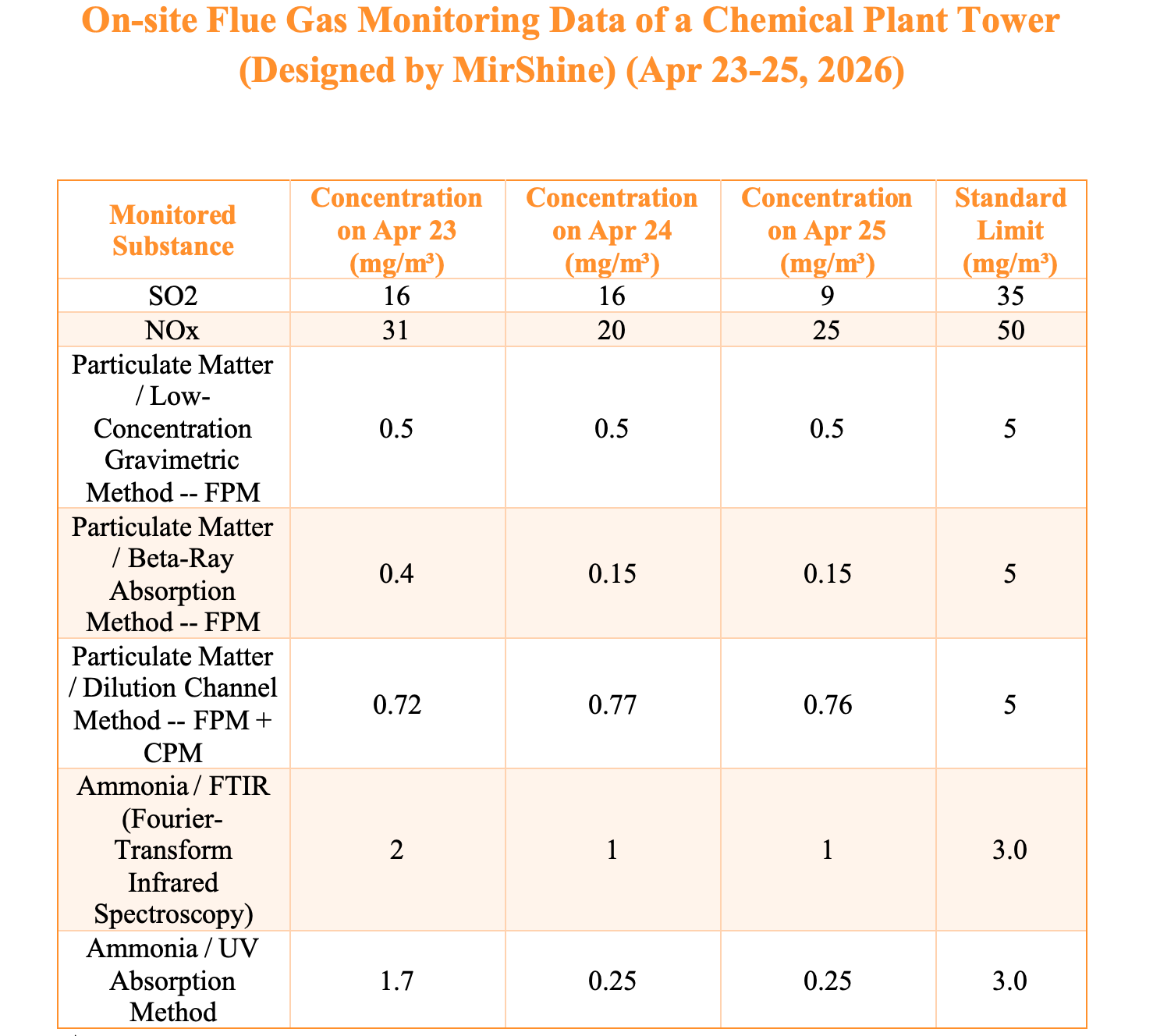
SO₂, NOₓ और कणीय द्रव्य की मापी गई सांद्रताएँ लगातार अति-न्यून उत्सर्जन आवश्यकताओं को पूरा करती रहीं।
प्रसार सुरंग नमूनाकरण के माध्यम से प्राप्त कणीय द्रव्य की सांद्रताएँ—जिनमें फ़िल्टरयोग्य कणीय द्रव्य (FPM) और संघननीय कणीय द्रव्य (CPM) दोनों शामिल हैं—5 mg/m³ से कम बनी रहीं। परिणाम केवल पारंपरिक गुरुत्वीय और बीटा-किरण मापन विधियों के माध्यम से प्राप्त परिणामों की तुलना में 0.2–0.5 mg/m³ अधिक थे, जो अत्यंत निम्न CPM स्तर को दर्शाता है।
इसी समय, अमोनिया की सांद्रता 2.0 mg/m³ से कम बनी रही, जो नियामक सीमा 3.0 mg/m³ से काफी कम है, जिससे सटीक अमोनिया इंजेक्शन नियंत्रण रणनीतियों की प्रभावशीलता साबित होती है।
अमोनिया-आधारित डीसल्फराइजेशन समाधानों के प्रमुख प्रदाता के रूप में, मिरशाइन एनवायरनमेंट ने अमोनिया स्लिप और संघननीय कणिका मामले (condensable particulate matter) के समन्वित नियंत्रण पर केंद्रित स्वदेशी प्रौद्योगिकियाँ विकसित की हैं।
कई उद्योगों में वर्षों के इंजीनियरिंग अभ्यास के माध्यम से, मिरशाइन ने ग्राहकों को अति-न्यून उत्सर्जन प्राप्त करने, साथ ही संचालन दक्षता और पर्यावरणीय प्रदर्शन में सुधार करने में सहायता करने का व्यापक अनुभव हासिल किया है।
कंपनी का प्रौद्योगिकी मार्गदर्शिका भविष्य की विनियामक प्रवृत्तियों और व्यापक प्रदूषक प्रबंधन की बढ़ती मांग के साथ घनिष्ठ रूप से संरेखित है।
आगे बढ़ते हुए, मिरशाइन प्रौद्योगिकी नवाचार और व्यावहारिक इंजीनियरिंग समाधानों में निरंतर निवेश करता रहेगा, जो विश्व भर के उद्योगों को स्वच्छ उत्सर्जन, उच्च संसाधन दक्षता और सतत विकास के लक्ष्यों की प्राप्ति में सहायता प्रदान करेगा।
डिसल्फराइजेशन और डेनिट्रिफिकेशन
धूल निकालना
VOCs उपचार
गिलोटीन अलगाव डैम्पर
कार्बन-मुक्तीकरण
ह्यूमिक एसिड सह-उत्पादन
अपशिष्ट टायर पायरोलिसिस
संचालन और रखरखाव
शांगड़ू जिला, जीनान, शांडोंग, चीन लोंगशान वातावरणिक प्रौद्योगिकी पार्क 3वाँ मज़दूरी
सर्वाधिकार सुरक्षित © 2025 मिरशाइन वातावरणिक संरक्षण प्रौद्योगिकी कंपनी लिमिटेड। गोपनीयता नीति