 EN
EN


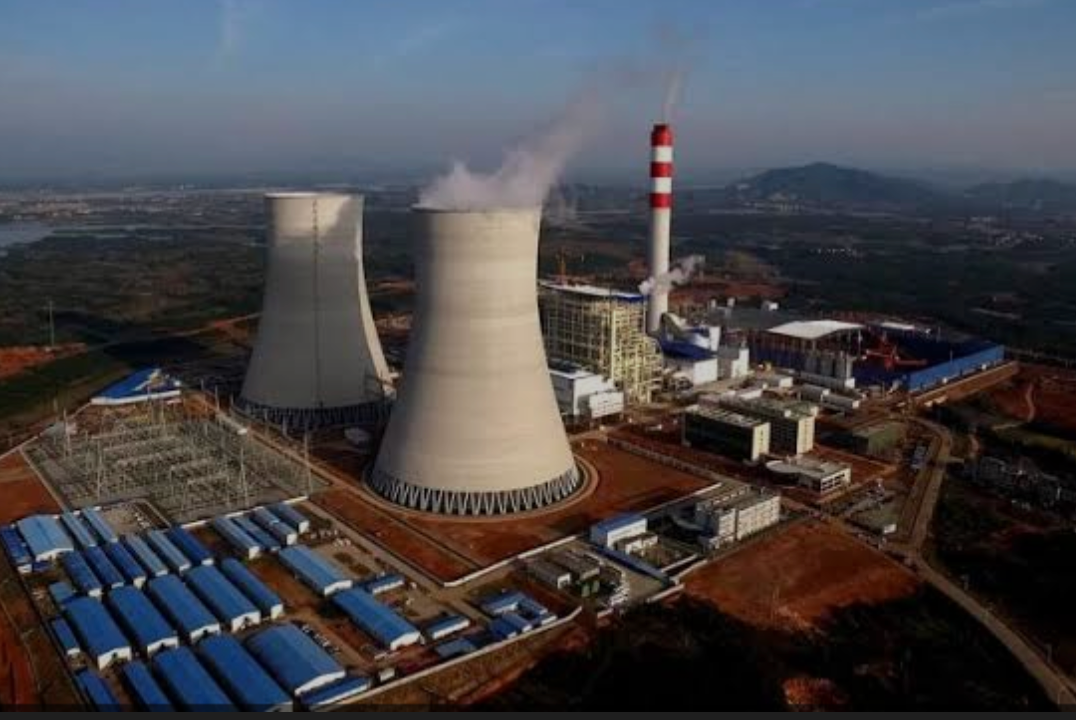
برقی تربیت اب بھی سلفر ڈائی آکسائیڈ (SO₂) کے اخراج کے عالمی سب سے بڑے ذرائع میں سے ایک ہے، خاص طور پر کوئلہ سے چلنے والے بجلی گھروں سے۔ ماحولیاتی تحفظ پر بڑھتی ہوئی زور دینے اور ہوا کے آلودگی کے متعلق سخت قوانین کے ساتھ، انتہائی کم اخراج حاصل کرنا انتہائی کم اخراج آپریٹرز کے لیے اس کا اہم ترین ترجیح بن چکا ہے۔ دستیاب فلیو گیس ڈی سلفورائزیشن (FGD) ٹیکنالوجیوں میں سے، امونیا پر مبنی FGD ایک انتہائی موثر، لاگت موثر اور ماحول دوست حل کے طور پر سامنے آئی ہے، جو روایتی کیلشیم پر مبنی نظاموں کے مقابلے میں متعدد فوائد پیش کرتی ہے۔
طاقت کے پلانٹس میں فلیو گیس ڈی سلفورائزیشن کے چیلنجز
کوئلہ سے چلنے والے طاقت کے پلانٹ کی فلیو گیس کئی چیلنجز پیش کرتی ہے جو روایتی FGD ٹیکنالوجیوں کو کم موثر بناتی ہیں۔ عام طور پر اکانومائزر کے بعد فلیو گیس کا درجہ حرارت 120–160°C کے درمیان ہوتا ہے، اور گیس اکثر نم ہوتی ہے اور اس میں نشانی کی مقدار میں بھاری دھاتیں، ذراتی مواد اور باقی نائٹروجن آکسائیڈز (NOₓ) شامل ہوتے ہیں۔ یہ حالات ایک ایسے FGD نظام کی ضرورت ہوتی ہے جو نہ صرف اعلیٰ SO₂ کے اخراج کو ممکن بناسکے بلکہ لمبے عرصے تک قابل اعتماد آپریشن بھی فراہم کر سکے۔
روایتی چونے کے پتھر اور جِپسم کے FGD نظام ، جو بالکل پختہ اور وسیع پیمانے پر استعمال ہونے والے ہیں، طاقت کے پلانٹ کے تناظر میں کئی نقص رکھتے ہیں:
اونچی سرمایہ کاری اور آپریشن کی لاگت: بڑے جذب کرنے والے ٹاور، چونے کی تیاری، اور جِپسم کے ساتھ سلوک کرنا ابتدائی اور مستقل اخراجات میں اضافہ کرتا ہے۔
کشیدگی اور پیمانہ بندی: چونے پر مبنی دلدلی مواد گندگی اور کشیدگی کا باعث بن سکتا ہے، جس کی وجہ سے اکثر مرمت اور گھنٹوں کا رُکاؤ ہوتا ہے۔
ضمنی پروڈکٹ ہینڈلنگ: جپسم کے ضمنی پروڈکٹ کو مناسب طریقے سے تصرف یا استعمال کی ضرورت ہوتی ہے، جو لاجسٹک پیچیدگی کو بڑھا سکتی ہے۔
امونیا پر مبنی FGD ان تمام چیلنجز کو دور کرتا ہے، جو ایک زیادہ ہموار، وسائل کے لحاظ سے موثر طریقہ فراہم کرتا ہے۔
امونیا پر مبنی FGD کیسے کام کرتا ہے
امونیا پر مبنی ایف جی ڈی میں آبی امونیا (NH₃) کو فلیو گیس میں SO₂ کے ساتھ ردعمل کے لیے جذب کرنے والے کے طور پر، جس سے امونیم سلفیٹ یا امونیم بائی سلفیٹ جیسے امونیم نمکات تشکیل پاتے ہیں۔ یہ عمل تیز ردعمل کی گتی اور پانی میں امونیا کی مناسب محلولیت کی وجہ سے بہت مؤثر ہے۔ حرارت خارج کرنے والا ردعمل بھی حرارت کی جزوی بازیافت کی اجازت دیتا ہے، جس سے مجموعی طور پر توانائی کا نقصان کم ہوتا ہے۔
جدید ڈیزائنز میں، متعدد مرحلہ اسپرے ٹاورز اور گیس-تارل رابطہ کرنے والے آلات جذب کے عمل کو بہتر بناتے ہیں، جس سے یقینی بنایا جاتا ہے کہ SO₂ کا اخراج مستقل طور پر سے زیادہ ہوتا رہے، 95–99%، جو کہ انتہائی سخت اخراج کے معیارات کو بھی پورا کرتا ہے۔ اس کے علاوہ، جدید دھند کو ختم کرنے والے آلات اور مرحلہ وار الگ کرنے کی تکنیکیں امونیا کے رساؤ (امونیا اسْلِپ) کو روکتی ہیں اور ایروسل کی تشکیل کو کم سے کم کرتی ہیں، جس کے نتیجے میں صاف اور بے بو فلیو گیس کا اخراج ہوتا ہے۔
برقی پلانٹس میں امونیا پر مبنی FGD کے فوائد
1. اعلیٰ ڈی سلفرائزیشن کی موثریت
امونیا پر مبنی FGD استعمال کرنے والے برقی پلانٹس مسلسل SO₂ کی سانس لینے کی حد سے کہیں کم سانس لینے کی سطح حاصل کر سکتے ہیں، 30 ملی گرام/Nm³ ، جو کہ زیادہ تر ممالک میں انتہائی کم اخراج کی سطح کے طور پر قابلِ قبول ہے۔ یہ اعلیٰ کارکردگی ان پلانٹس کے لیے نہایت اہم ہے جو ہوا کی معیاری ضوابط کے ساتھ مطابقت قائم کرنے کی کوشش کر رہے ہوں، خاص طور پر ان خطوں میں جہاں کوئلہ اب بھی توانائی کا غالب ذریعہ ہے۔
2. ثانوی پیداوار کی قدر بڑھانا
امونیا پر مبنی FGD کا ایک نمایاں فائدہ یہ ہے کہ اس سے آمونیاکل سلفیٹ ، ایک قیمتی ثانوی پیداوار جسے کھاد کے طور پر استعمال کیا جا سکتا ہے۔ یہ طریقہ کار وہ چیز جو دوسری صورت میں ماحولیاتی خطرہ بن سکتی تھی، کو معاشی فائدے میں تبدیل کر دیتا ہے۔ اعلیٰ معیار کے امونیم سلفیٹ کو براہِ راست منڈی میں فروخت کیا جا سکتا ہے، جس سے آمدنی حاصل ہوتی ہے جو FGD کے آپریشنل اخراجات کا ایک حصہ پورا کرتی ہے۔
3. توانائی اور اخراجات میں بچت
چونکہ چونے کے بنیادی نظاموں کے مقابلے میں، امونیا پر مبنی FGD کے لیے کم مائع-سے-گیس تناسب اور کم پمپنگ طاقت کی ضرورت ہوتی ہے، جس کے نتیجے میں بجلی کی کھپت کافی حد تک کم ہو جاتی ہے۔ تیز رفتار رد عمل کی کینیٹکس کی وجہ سے چھوٹے جذب ٹاورز کا استعمال ممکن ہو جاتا ہے، جس سے سرمایہ کاری اور ساختی جگہ دونوں میں کمی آتی ہے۔ حرارت خارج کرنے والے رد عملوں کو جزوی طور پر نظام کو گرم کرنے یا اس کا درجہ حرارت برقرار رکھنے کے لیے استعمال کیا جا سکتا ہے، جس سے توانائی کی کارکردگی میں مزید بہتری آتی ہے۔
4. ثانوی آلودگی میں کمی
جدید امونیا FGD سسٹم میں گیس-تارل علیحدگی کے متعدد مراحل شامل ہیں، جو سلفر مرکبات کے علاوہ باریک ذراتی مواد (PM2.5)، ایروسولز اور نشانی سطح کی دھاتوں کو مؤثر طریقے سے پکڑ لیتے ہیں۔ یہ ایکیویٹڈ کنٹرول فلیو گیس کے ماحولیاتی اثر کو کم کرتا ہے اور سفید دھواں کے بلند ہونے جیسے قابلِ دید اخراجات کو ختم کر دیتا ہے، جو مقامی آبادی کے لیے تشویش کا باعث ہو سکتے ہیں۔
5. لچک اور پیمانے میں بڑھانے کی صلاحیت
امونیا پر مبنی FGD سسٹمز کو نئے اور موجودہ طاقت کے پلانٹس دونوں کے لیے مناسب بنایا جا سکتا ہے۔ ماڈیولر ڈیزائن اسکیل ایبل انسٹالیشن کی اجازت دیتے ہیں، جو مختلف سائز کے پلانٹس کو بغیر بڑی رکاوٹ کے استعمال میں لانے کے قابل بناتے ہیں۔ اس سسٹم کو بھی ضم کیا جا سکتا ہے۔ منتخبہ محوّلی کثیر العمل (SCR) nOₓ کے اخراج کو کم کرنے کے لیے، جس سے من coordinated متعدد آلودگی کنٹرول حاصل ہوتا ہے اور مجموعی آپریشنل پیچیدگی کم ہوتی ہے۔
کیس اسٹڈیز اور عملی نتائج
کئی کوئلہ سے چلنے والے طاقت کے پلانٹس نے امونیا پر مبنی FGD کو شاندار نتائج کے ساتھ کامیابی کے ساتھ لاگو کیا ہے:
اعلیٰ SO₂ کے اخراج کی شرح: پلانٹس نے 98–99% کی کارکردگی کی اطلاع دی ہے، جس کے نتیجے میں خروجی کی غیرمعمولی سطحیں مسلسل تنظیمی حدود سے نیچے رہی ہیں۔
امونیا کا رسنگ کنٹرول: پیشرفہ مرحلہ وار علیحدگی کی ٹیکنالوجی امونیا کے رسنگ کو ۱ ملی گرام فی نیومیٹر مکعب سے کم کردیتی ہے، جس سے بدبو اور ماحولیاتی خدشات سے بچا جاسکتا ہے۔
ضمنی پیداوار: بڑے پیمانے پر آپریشنز سالانہ اعلیٰ درجے کے امونیم سلفیٹ کے ٹن پیدا کرتے ہیں، جو معاشی منافع میں اضافہ کرتے ہیں۔
توانائی کی کارکردگی میں اضافہ: موافق بنائی گئی مائع سے گیس کی تناسب اور حرارت کی بازیابی سے ایف جی ڈی سسٹم کی کل بجلی کی کھپت میں چونکہ نظامِ چونے کے مقابلے میں ۱۵ تا ۲۰ فیصد کمی آجاتی ہے۔
متعدد آلودگیوں کے ایکیویٹڈ احاطہ: ذراتی مواد اور نشانی دار دھاتیں سلفر کے مرکبات کے ساتھ ہی قبضہ میں لی جاتی ہیں، جس سے ماحولیاتی مطابقت میں بہتری آتی ہے۔
نفاذ کے تناظر
برقی پلانٹس میں امونیا پر مبنی ایف جی ڈی لاگو کرنے کے لیے غور طلب منصوبہ بندی کی ضرورت ہوتی ہے:
ایمونیا کی فراہمی: امونیا کے قابل اعتماد ذرائع کو یقینی بنائیں، چاہے وہ مقامی پیداوار سے ہو یا بیرونی فراہم کنندگان سے۔
درجہ حرارت کنٹرول: جذب کی موثریت کے لیے دھواں گیس کے درجہ حرارت کو بہترین حدود کے اندر برقرار رکھیں۔
موجودہ آلات کے ساتھ یکجُختی: زیادہ سے زیادہ ہم آہنگی حاصل کرنے کے لیے موجودہ دھول جمع کرنے والے آلات، SCR یا SNCR نظاموں کے ساتھ من coordination کریں۔
دیکھ بھال اور کوروزن سے تحفظ: کوروزن سے مزاحمت کرنے والی مواد کا استعمال کریں اور طویل المدتی نظام کی قابل اعتمادی کو یقینی بنانے کے لیے باقاعدہ معائنہ کا انتظام کریں۔
نتیجہ
امونیا پر مبنی FGD ایک ثابت شدہ، اعلیٰ موثریت والا حل ہے جو بجلی کے پلانٹس کو انتہائی کم اخراجات، آپریشنل موثریت اور ماحولیاتی مطابقت کے حصول کے لیے استعمال کیا جاتا ہے۔ سلفر کے آلودگی کے مضر اجزاء کو تجارتی طور پر قیمتی امونیم سلفیٹ میں تبدیل کرکے، یہ نظام ایک وقت میں ماخذی اور معاشی دونوں فائدے فراہم کرتے ہیں۔ جدید ڈیزائنز امونیا کے رساؤ (slip) اور ثانوی آلودگی کو کم سے کم کرتے ہیں، جبکہ توانائی کے موثر استعمال سے لاگت بھی کم ہوتی ہے۔
کوئلے کے ایندھن پر چلنے والے بجلی گھروں کے لیے، جو سخت اخراج کے معیارات اور بڑھتے ہوئے ماحولیاتی دباؤ کا سامنا کر رہے ہیں، امونیا پر مبنی FGD صرف ایک ٹیکنالوجی کا انتخاب نہیں بلکہ ایک حکمت عملی سرمایہ کاری ہے جو پائیدار آپریشن کو مالی کارکردگی کے ساتھ ہم آہنگ کرتی ہے۔ انتہائی کم SO₂ اخراج، ثانوی مصنوعات کی قدر بڑھانا، اور ایکیویٹڈ متعدد آلودگی کنٹرول کا امتزاج امونیا FGD کو صاف اور موثر بجلی گھروں کی آنے والی نسل کے لیے ایک پرکشش حل بناتا ہے۔