 EN
EN


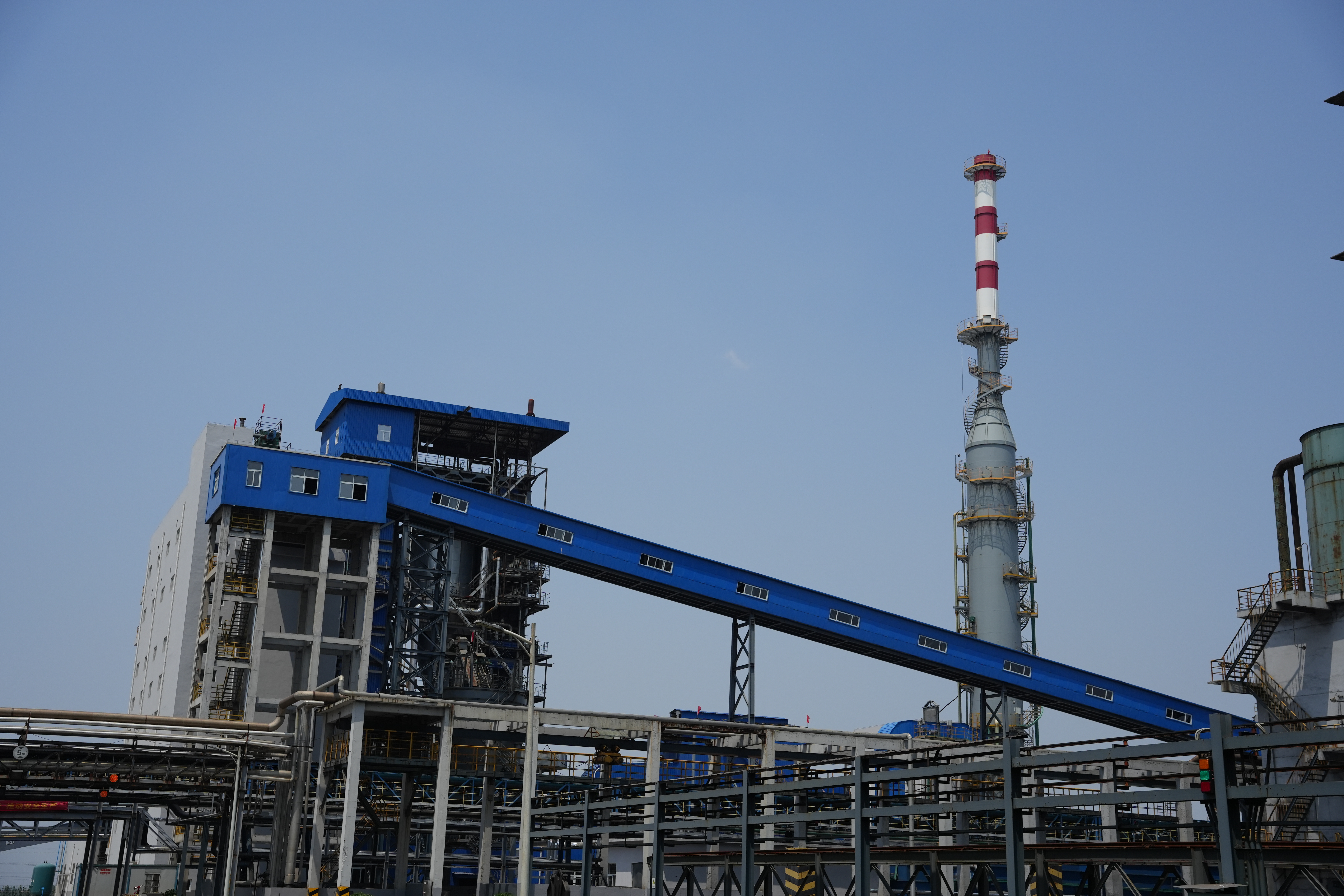
In September 2025, the China Association of Environmental Protection Industry officially released a new group standard titled “Technical Guideline for Ultra-Low Emission Control in Coking Enterprises” (T/CAEPI 103-2025). This guideline provides comprehensive technical references for coking enterprises in the areas of emission control, engineering design, equipment upgrading, and operational management.
Its publication marks an important milestone in China’s push toward greener industrial development, signaling both new challenges and new opportunities for coking companies as well as environmental engineering service providers.
Short-Term Impact: Increased Operational and Compliance Pressure
Higher Investment in Upgrading Projects
To meet the new ultra-low emission requirements, coking enterprises will be required to implement extensive environmental facility upgrades. These upgrades involve:
Organized emission control systems
Unorganized fugitive emission reduction
Upgrading clean transportation systems
Strengthening dust and VOCs control
For many companies, these requirements represent a significant upfront financial burden. Facilities may need to retrofit flue gas desulfurization units, denitrification systems, baghouses, and advanced monitoring systems to reach the prescribed emission limits.
Rising O&M Costs After Upgrades
Once the new systems are installed, operational and maintenance costs will also increase. Coking plants will need to ensure stable, continuous operation of all environmental equipment to remain compliant. This may require:
More frequent inspections and preventive maintenance
Increased consumption of absorbents, catalysts, and chemicals
Additional environmental management personnel
Adoption of digital monitoring and automated management platforms
As a result, both human and material resource expenditures are expected to rise in the short term.
Long-Term Benefits: Stronger Competitiveness and Reduced Risk
Policy Advantages and Incentives
Enterprises that successfully complete ultra-low emission upgrades may gain access to:
Preferential environmental performance ratings
Financial incentives
Credit support
Government-backed green project opportunities
These policy benefits will enhance long-term operational stability and competitiveness.
Lower Regulatory and Operational Risks
With environmental inspections becoming increasingly strict, compliance is crucial. Meeting the requirements of T/CAEPI 103-2025 can help enterprises avoid:
Administrative penalties
Production restrictions
Unexpected shutdowns
Reputational damage due to environmental incidents
In essence, completing the upgrade ensures business continuity and stabilizes market share in a highly regulated industry.
What This Means for Environmental Engineering Enterprises
While the guideline places pressure on coking plants, it also opens a new window of opportunity for environmental protection enterprises. For companies specializing in desulfurization, denitrification, dust removal, and comprehensive air pollution control—such as MirShine Environmental—this standard outlines a clear development direction and substantial market demand.
1. Clear Increase in Market Demand
To meet the ultra-low emission requirements, coking enterprises will have to upgrade or replace existing environmental facilities. This will stimulate strong demand for:
High-efficiency desulfurization and denitrification technologies
Advanced dust removal and fugitive emission control solutions
Odor control systems
Automated environmental monitoring platforms
Full-process engineering and EPC services
The scale of potential projects covers both large state-owned enterprises and private coking plants nationwide.
2. Shift Toward Integrated and Full-Cycle Solutions
The market is no longer satisfied with simple equipment supply. Coking enterprises prefer environmental engineering companies that can provide:
Process design
Engineering construction
Equipment manufacturing
Commissioning and trial operation
Long-term O&M services
Digital operation management and emission monitoring
Integrated solution providers—those capable of delivering EPC + O&M—will dominate the competitive landscape.
This trend favors companies such as MirShine Environmental, which already have the ability to undertake large-scale design, supply, construction, and operation projects.
3. A Clearer Technical Roadmap for the Industry
The guideline provides authoritative technical references for pollution control technologies. It standardizes and clarifies:
Recommended desulfurization and denitrification processes
Dust removal system specifications
Performance requirements for VOCs and fugitive emission controls
Design and operation benchmarks for ultra-low emission systems
Compliance monitoring indicators and data management requirements
For environmental companies, this means technology direction is now clearly defined, supporting targeted R&D and product upgrades.
4. Innovation-Driven Development
The guideline encourages facilities to move beyond passive pollution control and toward proactive environmental management, including:
Intelligent pollution source monitoring
IoT-based equipment integration
Big data reporting platforms
Predictive maintenance
Automated operational adjustments
This pushes environmental enterprises to develop more refined, data-driven solutions, which will reshape competition and accelerate innovation across the entire industry.
5. Stronger Competitive Advantage for Early Movers
Environmental companies with mature, standardized, and guideline-compliant technologies will gain early market advantages. Those capable of delivering:
High-efficiency ammonia-based desulfurization
Low-NOx denitrification
Integrated flue gas control systems
Intelligent environmental supervision platforms
…will be better positioned to secure major projects as coking companies rush to complete upgrades within policy timeframes.
6. Deeper Client Collaboration
Under the new guideline, environmental protection companies must better understand:
Coking processes
Raw gas characteristics
Production cycles
Process bottlenecks
Energy consumption patterns
Environmental service providers will transform from simple equipment suppliers into strategic partners, working closely with coking enterprises to design tailored solutions that balance cost, efficiency, and compliance.
7. Risks and Challenges Still Exist
Despite the opportunities, the guideline also raises the bar for environmental companies. Challenges may include:
Higher technical thresholds and performance guarantees
Increased engineering difficulty for retrofits in older plants
Need for more advanced O&M capabilities
Cost pressure if technology is not optimized or efficient
Competitive risks for enterprises with outdated technologies
Only companies with robust technical strength, strong engineering capabilities, and proven project performance will be able to thrive in this evolving market.
Conclusion
The release of “Technical Guideline for Ultra-Low Emission Control in Coking Enterprises” (T/CAEPI 103-2025) signals the beginning of a new phase in China’s coking industry. For coking enterprises, it means stricter environmental compliance but also long-term operational stability. For environmental engineering companies, it opens significant opportunities in technology upgrades, integrated services, and intelligent environmental management.
As the industry evolves, enterprises that can provide reliable, efficient, and standard-compliant environmental solutions—especially those capable of delivering full-process EPC services—will play a pivotal role in supporting China’s green transformation.
Table of Contents
- Short-Term Impact: Increased Operational and Compliance Pressure
- Long-Term Benefits: Stronger Competitiveness and Reduced Risk
- 1. Clear Increase in Market Demand
- 2. Shift Toward Integrated and Full-Cycle Solutions
- 3. A Clearer Technical Roadmap for the Industry
- 4. Innovation-Driven Development
- 5. Stronger Competitive Advantage for Early Movers
- 6. Deeper Client Collaboration
- 7. Risks and Challenges Still Exist