 EN
EN


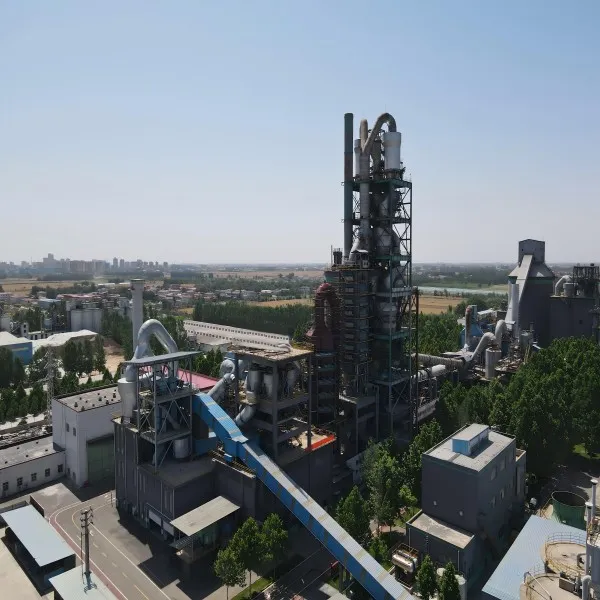
The rapid growth of the global automotive industry has brought undeniable economic benefits, but it has also created a significant environmental challenge: the disposal of end-of-life tires. Every year, billions of tires reach the end of their service life worldwide. Because tires are designed to be durable and resistant to natural degradation, they can remain in landfills for decades, occupying valuable land and creating long-term environmental risks.
As governments, industries, and communities search for sustainable waste management solutions, waste tire pyrolysis has emerged as one of the most promising technologies available today. By converting waste tires into valuable energy products and industrial raw materials, tire pyrolysis offers a practical pathway toward resource recovery, environmental protection, and economic development.
For investors, recycling companies, and environmental enterprises, modern tire pyrolysis technology is no longer simply a waste disposal method. It has become a profitable and sustainable business opportunity within the growing circular economy.
The Growing Global Tire Waste Problem
The number of vehicles on the road continues to increase across both developed and emerging economies. As a result, the generation of scrap tires is rising every year.
Waste tires present several environmental challenges.
Unlike organic waste, tires do not easily decompose. Their complex composition, including rubber, steel wire, carbon black, and various additives, makes natural degradation extremely slow.
Improper disposal of waste tires can lead to:
Land occupation
Visual pollution
Mosquito breeding
Fire hazards
Air pollution
Groundwater contamination
Tire stockpiles can also create serious environmental and safety concerns. Once a tire fire occurs, it is extremely difficult to extinguish and can release large amounts of toxic smoke and pollutants into the atmosphere.
Traditional disposal methods such as landfilling and open burning are increasingly restricted by environmental regulations.
As a result, industries are actively seeking more sustainable alternatives.
What Is Waste Tire Pyrolysis?
Waste tire pyrolysis is an advanced thermal recycling technology that converts end-of-life tires into valuable products through controlled heating in an oxygen-free environment.
Unlike incineration, pyrolysis does not involve direct combustion.
Instead, the process breaks down long-chain hydrocarbon molecules into smaller compounds that can be recovered and reused.
During the pyrolysis process, waste tires are heated inside a sealed reactor. As temperatures increase, the rubber decomposes and produces several valuable outputs.
The primary products typically include:
Pyrolysis oil
Recovered carbon black
Steel wire
Pyrolysis gas
Each of these products has commercial value and can be sold or reused in various industries.
This resource recovery approach transforms waste tires from an environmental burden into a valuable industrial resource.
How Tire Pyrolysis Supports the Circular Economy
The concept of the circular economy focuses on keeping resources in use for as long as possible while minimizing waste generation.
Waste tire pyrolysis aligns closely with this principle.
Rather than disposing of used tires, the technology recovers useful materials that can re-enter industrial supply chains.
Pyrolysis oil can replace certain conventional fuel products.
Recovered carbon black can be processed and reused in rubber products, plastics, coatings, and construction materials.
Steel wire can be recycled through the metal industry.
Pyrolysis gas can often be used to fuel the pyrolysis process itself, reducing external energy requirements.
Through these recovery pathways, tire pyrolysis maximizes resource utilization while reducing environmental impacts.
Valuable Products Generated by Tire Pyrolysis
One of the main reasons tire pyrolysis has gained global attention is the commercial value of its outputs.
Pyrolysis Oil
Pyrolysis oil is typically the largest output generated during the process.
This oil contains significant energy value and can be used in various industrial applications.
Potential uses include:
Industrial heating fuel
Boiler fuel
Cement plant fuel
Power generation
Further refining into higher-value fuel products
As global energy demand continues to grow, pyrolysis oil represents an important alternative energy resource.
Recovered Carbon Black
Carbon black is an essential material used in numerous manufacturing sectors.
During tire pyrolysis, carbon black is recovered from the rubber structure and can be further processed for reuse.
Applications include:
Rubber products
Plastic manufacturing
Masterbatch production
Asphalt modification
Construction materials
Pigments and coatings
Advancements in refining technology continue to improve the quality and market value of recovered carbon black.
Steel Wire
Waste tires contain high-strength steel reinforcement materials.
The pyrolysis process separates steel wire from the rubber matrix.
Recovered steel can be sold to recycling facilities and reintroduced into steel production systems.
This contributes to additional revenue generation while supporting resource conservation.
Pyrolysis Gas
Pyrolysis gas is generated during thermal decomposition and contains combustible hydrocarbons.
Many modern tire pyrolysis plants utilize this gas internally to provide energy for the pyrolysis process.
This improves overall energy efficiency and reduces fuel consumption.
Environmental Benefits of Tire Pyrolysis
Environmental protection is one of the strongest drivers behind the adoption of tire pyrolysis technology.
Compared with traditional disposal methods, pyrolysis offers significant advantages.
Reducing Landfill Dependence
Landfill capacity is becoming increasingly limited in many regions.
Tire pyrolysis significantly reduces the need for landfill disposal by converting waste tires into useful products.
Lower Environmental Risks
Stockpiled waste tires can create fire hazards and attract pests.
Processing tires through pyrolysis eliminates these risks while improving site cleanliness and safety.
Resource Recovery
Pyrolysis enables valuable materials to be recovered and reused instead of being discarded.
This reduces the extraction of virgin resources and supports sustainable manufacturing.
Supporting Carbon Reduction Goals
By replacing conventional fuels and raw materials with recovered products, tire pyrolysis contributes to reduced greenhouse gas emissions across multiple industries.
As carbon reduction becomes a global priority, resource recovery technologies are expected to play an increasingly important role.
Why Demand for Tire Pyrolysis Plants Is Growing
Several global trends are driving increased demand for tire pyrolysis projects.
Rising Tire Waste Volumes
The growing number of vehicles worldwide continues to generate increasing quantities of end-of-life tires.
Stricter Environmental Regulations
Governments are implementing more restrictive policies regarding tire disposal and waste management.
Growing Interest in Alternative Energy
Pyrolysis oil provides an additional energy source that can support industrial fuel requirements.
Circular Economy Policies
Many countries are promoting recycling and resource recovery initiatives to improve sustainability performance.
Attractive Investment Potential
Modern tire pyrolysis plants can generate revenue from multiple product streams, making them attractive to investors and recycling companies.
Applications Across Multiple Regions
The demand for tire pyrolysis technology is expanding globally.
Regions experiencing strong market growth include:
Southeast Asia
Middle East
Africa
South America
Eastern Europe
Central Asia
Many developing economies face increasing waste tire challenges while simultaneously seeking local energy and raw material sources.
This creates favorable conditions for pyrolysis project development.
Modern Tire Pyrolysis Technology
Today’s tire pyrolysis plants differ significantly from early-generation systems.
Modern facilities emphasize:
Continuous operation
Automated control systems
High product recovery rates
Improved energy efficiency
Environmental compliance
Enhanced operational safety
These advancements have increased industry confidence and expanded commercial adoption worldwide.
Leading technology providers continue to improve system performance through innovations in reactor design, heat transfer efficiency, gas utilization, and environmental protection systems.
The Future of Waste Tire Recycling
As industries move toward more sustainable business models, waste tire pyrolysis is expected to play an increasingly important role in global recycling infrastructure.
The technology addresses multiple challenges simultaneously:
Waste management
Resource recovery
Alternative energy production
Environmental protection
Economic development
This combination makes tire pyrolysis one of the most attractive solutions available for managing end-of-life tires.
With supportive government policies, growing environmental awareness, and rising demand for recycled materials, the market outlook for tire pyrolysis remains highly positive.
Conclusion
Waste tire disposal is a growing global challenge, but it also represents a significant opportunity.
Through advanced pyrolysis technology, discarded tires can be transformed into valuable products such as pyrolysis oil, recovered carbon black, steel wire, and combustible gas.
This process reduces environmental impacts, supports resource recovery, and creates sustainable economic value.
For governments, recycling companies, investors, and industrial enterprises, waste tire pyrolysis offers a practical solution that combines environmental responsibility with commercial opportunity.
As the world continues to pursue sustainable development and circular economy goals, tire pyrolysis is positioned to become a key technology in the future of waste tire recycling.
FAQ
What is waste tire pyrolysis?
Waste tire pyrolysis is a thermal recycling process that converts scrap tires into valuable products such as pyrolysis oil, carbon black, steel wire, and combustible gas in an oxygen-free environment.
Is tire pyrolysis environmentally friendly?
Yes. Modern tire pyrolysis plants significantly reduce landfill waste, recover valuable resources, and help prevent environmental pollution associated with improper tire disposal.
What products are generated from tire pyrolysis?
The primary products include pyrolysis oil, recovered carbon black, steel wire, and pyrolysis gas.
Can pyrolysis oil be sold?
Yes. Pyrolysis oil has commercial value and can be used as industrial fuel or further processed into higher-value products.
Is tire pyrolysis profitable?
A properly designed tire pyrolysis plant can generate revenue from multiple product streams, making it an attractive investment opportunity in many markets.
Which countries have strong demand for tire pyrolysis plants?
Demand is growing in Southeast Asia, the Middle East, Africa, South America, Eastern Europe, and other regions experiencing increased tire waste generation and resource recovery needs.
Table of Contents
- The Growing Global Tire Waste Problem
- What Is Waste Tire Pyrolysis?
- How Tire Pyrolysis Supports the Circular Economy
- Valuable Products Generated by Tire Pyrolysis
- Environmental Benefits of Tire Pyrolysis
- Why Demand for Tire Pyrolysis Plants Is Growing
- Applications Across Multiple Regions
- Modern Tire Pyrolysis Technology
- The Future of Waste Tire Recycling
- Conclusion
- FAQ