 EN
EN



The global tire industry produces billions of tires every year, and eventually every tire reaches the end of its service life. Managing this growing volume of waste tires has become a major environmental challenge for governments and industries worldwide. At the same time, the increasing demand for alternative energy, recycled materials, and sustainable waste management solutions has created new business opportunities.
Among the available recycling technologies, tire pyrolysis has emerged as one of the most attractive investment sectors. Modern tire pyrolysis plants not only solve environmental problems but also generate multiple revenue streams through the recovery of valuable products.
For investors, recycling companies, environmental engineering firms, and industrial groups, understanding how a tire pyrolysis plant generates profit is essential when evaluating project feasibility and long-term business potential.
This article explores the complete business model behind modern tire pyrolysis plants and explains why waste tire recycling continues to attract growing interest around the world.
The Global Opportunity in Waste Tire Recycling
The number of vehicles on the road continues to increase every year. As transportation networks expand and vehicle ownership rises in emerging economies, the generation of waste tires grows accordingly.
Millions of tons of end-of-life tires are discarded annually across Asia, Africa, the Middle East, Europe, and the Americas.
Governments are increasingly restricting landfill disposal and open burning because of their environmental impact. As a result, industries are searching for sustainable recycling solutions capable of processing large volumes of waste tires while creating economic value.
Tire pyrolysis addresses both objectives.
It provides an environmentally responsible disposal method while transforming waste materials into commercially valuable products.
This combination of environmental and economic benefits is one of the key reasons why tire pyrolysis plants are gaining global attention.
What Is a Tire Pyrolysis Plant?
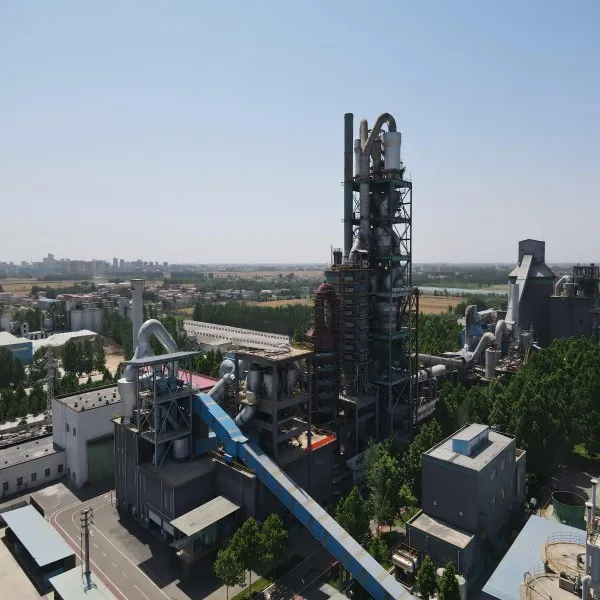
A tire pyrolysis plant is an industrial facility that converts waste tires into useful products through thermal decomposition in an oxygen-free environment.
Unlike incineration, pyrolysis does not burn the tires directly.
Instead, controlled heating breaks down the rubber structure into smaller hydrocarbon compounds and recoverable materials.
The process generates four major products:
Pyrolysis oil
Recovered carbon black
Steel wire
Pyrolysis gas
Each product contributes to the overall profitability of the project.
Modern tire pyrolysis technology focuses on maximizing product recovery, improving energy efficiency, and ensuring compliance with environmental regulations.
Revenue Stream #1: Pyrolysis Oil
Pyrolysis oil is typically the primary source of revenue for most tire pyrolysis plants.
Depending on tire composition and process efficiency, pyrolysis oil generally accounts for a significant portion of the total output.
This oil contains valuable hydrocarbons and can be used in various industrial applications.
Common uses include:
Industrial heating fuel
Boiler fuel
Cement plant fuel
Power generation fuel
Refinery feedstock
Alternative energy applications
As energy prices continue to fluctuate globally, many industrial users seek cost-effective fuel alternatives. This demand supports the commercial value of pyrolysis oil.
In regions with strong industrial activity, pyrolysis oil often represents the largest contributor to project revenue.
Revenue Stream #2: Recovered Carbon Black
Carbon black is a critical industrial material used in numerous manufacturing processes.
During tire pyrolysis, carbon black is recovered from the rubber composition and separated from other materials.
Traditionally, recovered carbon black was considered a low-value byproduct. However, technological advancements have significantly increased its commercial potential.
After further processing and refinement, recovered carbon black can be used in:
Rubber manufacturing
Plastic products
Masterbatch production
Construction materials
Asphalt modification
Coatings and pigments
Industrial fillers
As sustainability becomes increasingly important, demand for recycled carbon black continues to grow.
Many manufacturers are actively seeking recycled raw materials to reduce costs and improve environmental performance.
This trend creates additional market opportunities for pyrolysis operators.
Revenue Stream #3: Recovered Steel Wire
Modern tires contain significant quantities of high-strength steel reinforcement.
During pyrolysis, steel wire is separated from the rubber and collected for recycling.
Recovered steel can be sold directly to metal recycling facilities or steel manufacturers.
Although steel typically contributes a smaller percentage of overall revenue compared to oil and carbon black, it still provides a valuable additional income stream.
Because steel recycling infrastructure already exists in most countries, market access is generally straightforward.
Revenue Stream #4: Pyrolysis Gas
One of the most important advantages of modern tire pyrolysis technology is the ability to utilize pyrolysis gas internally.
The gas generated during thermal decomposition contains combustible hydrocarbons that can be reused as fuel within the plant.
This reduces external fuel consumption and lowers operating costs.
In many modern systems, pyrolysis gas provides a substantial portion of the energy required for continuous operation.
By reducing energy expenses, pyrolysis gas indirectly increases project profitability.
Multiple Revenue Sources Improve Investment Stability
Unlike businesses that rely on a single product, tire pyrolysis plants benefit from diversified income streams.
Revenue comes from:
Oil sales
Carbon black sales
Steel recycling
Energy savings from gas utilization
This diversification helps reduce market risk.
When one product experiences price fluctuations, revenue from other products can help maintain overall profitability.
For investors, diversified revenue streams generally improve long-term business stability.
Factors Affecting Project Profitability
Several factors influence the financial performance of a tire pyrolysis project.
Raw Material Supply
A stable supply of waste tires is critical.
Regions with large vehicle populations and growing transportation sectors often provide favorable conditions for feedstock availability.
Reliable tire collection networks can significantly improve project economics.
Product Market Demand
The profitability of a pyrolysis plant depends on local demand for recovered products.
Markets with active industrial sectors typically offer stronger opportunities for oil and carbon black sales.
Technology Selection
Advanced pyrolysis technology can improve:
Product yield
Energy efficiency
Operational stability
Environmental performance
Equipment reliability
Choosing the right technology provider is often one of the most important decisions during project development.
Environmental Compliance
Modern environmental regulations require strict emission control and operational safety standards.
Facilities designed to meet international environmental requirements generally enjoy greater long-term sustainability and market acceptance.
Why Investors Are Paying Attention to Tire Pyrolysis
Several global trends are increasing investor interest in tire recycling projects.
Growing Waste Tire Volumes
The continuous increase in vehicle ownership ensures a long-term supply of waste tires.
Circular Economy Development
Governments and industries are promoting resource recovery and recycling initiatives.
Alternative Energy Demand
Recovered fuel products provide additional energy sources for industrial users.
Sustainability Requirements
Companies increasingly seek environmentally responsible solutions that align with ESG and sustainability goals.
Strong Market Potential
The combination of environmental benefits and commercial returns makes tire pyrolysis an attractive investment opportunity.
Applications Across Global Markets
Demand for tire pyrolysis plants is expanding rapidly in multiple regions.
Southeast Asia
Rapid industrialization and growing vehicle ownership continue to increase tire waste volumes.
Middle East
Many countries are investing heavily in waste management and circular economy initiatives.
Africa
Growing transportation infrastructure creates rising demand for tire recycling solutions.
South America
Industrial development and environmental regulations are driving interest in resource recovery technologies.
Eastern Europe and Central Asia
Governments are promoting modern waste management solutions to improve environmental performance.
These regions represent significant growth opportunities for tire pyrolysis technology providers.
Modern Tire Pyrolysis Technology Trends
Today’s tire pyrolysis plants differ greatly from earlier generations.
Modern systems emphasize:
Continuous operation
Automated process control
Higher product recovery rates
Improved energy efficiency
Enhanced environmental protection
Lower maintenance requirements
Greater operational safety
These advancements have improved project reliability and increased confidence among investors and industrial users.
As technology continues to evolve, the economic attractiveness of tire pyrolysis is expected to strengthen further.
Why Tire Pyrolysis Is More Than a Recycling Business
Many people view tire pyrolysis simply as a waste management solution.
In reality, it is a resource recovery business.
The technology transforms discarded tires into valuable products that support multiple industries.
It creates economic value while addressing environmental challenges.
This dual benefit positions tire pyrolysis as an important component of the future circular economy.
Rather than treating waste tires as a disposal problem, modern pyrolysis plants treat them as a valuable resource.
Conclusion
The global waste tire challenge continues to grow, creating both environmental concerns and business opportunities.
Modern tire pyrolysis plants offer a practical solution by converting waste tires into marketable products such as pyrolysis oil, recovered carbon black, steel wire, and reusable gas.
Through diversified revenue streams, resource recovery, and sustainable operation, tire pyrolysis has become one of the most promising sectors within the recycling industry.
For investors seeking opportunities in environmental protection, alternative energy, and circular economy development, tire pyrolysis represents a business model capable of delivering both environmental and financial returns.
As global demand for sustainable recycling solutions continues to increase, tire pyrolysis is expected to play an increasingly important role in the future of resource recovery and industrial sustainability.
FAQ
What is a tire pyrolysis plant?
A tire pyrolysis plant is a facility that converts waste tires into valuable products such as pyrolysis oil, carbon black, steel wire, and combustible gas through thermal decomposition without oxygen.
Is tire pyrolysis profitable?
A well-designed tire pyrolysis project can generate multiple revenue streams and provide attractive long-term returns when supported by stable feedstock and product markets.
What is the main product of tire pyrolysis?
Pyrolysis oil is typically the primary product and often represents the largest source of project revenue.
Can recovered carbon black be sold?
Yes. Recovered carbon black can be used in rubber, plastics, construction materials, coatings, and other industrial applications.
What happens to the steel wire inside tires?
Steel wire is separated during the pyrolysis process and sold to metal recycling companies or steel manufacturers.
Which countries have strong demand for tire pyrolysis projects?
Demand is growing rapidly in Southeast Asia, the Middle East, Africa, South America, Eastern Europe, and Central Asia due to increasing tire waste generation and sustainability initiatives.
Table of Contents
- The Global Opportunity in Waste Tire Recycling
- What Is a Tire Pyrolysis Plant?
- Revenue Stream #1: Pyrolysis Oil
- Revenue Stream #2: Recovered Carbon Black
- Revenue Stream #3: Recovered Steel Wire
- Revenue Stream #4: Pyrolysis Gas
- Multiple Revenue Sources Improve Investment Stability
- Factors Affecting Project Profitability
- Why Investors Are Paying Attention to Tire Pyrolysis
- Applications Across Global Markets
- Modern Tire Pyrolysis Technology Trends
- Why Tire Pyrolysis Is More Than a Recycling Business
- Conclusion
- FAQ