 EN
EN


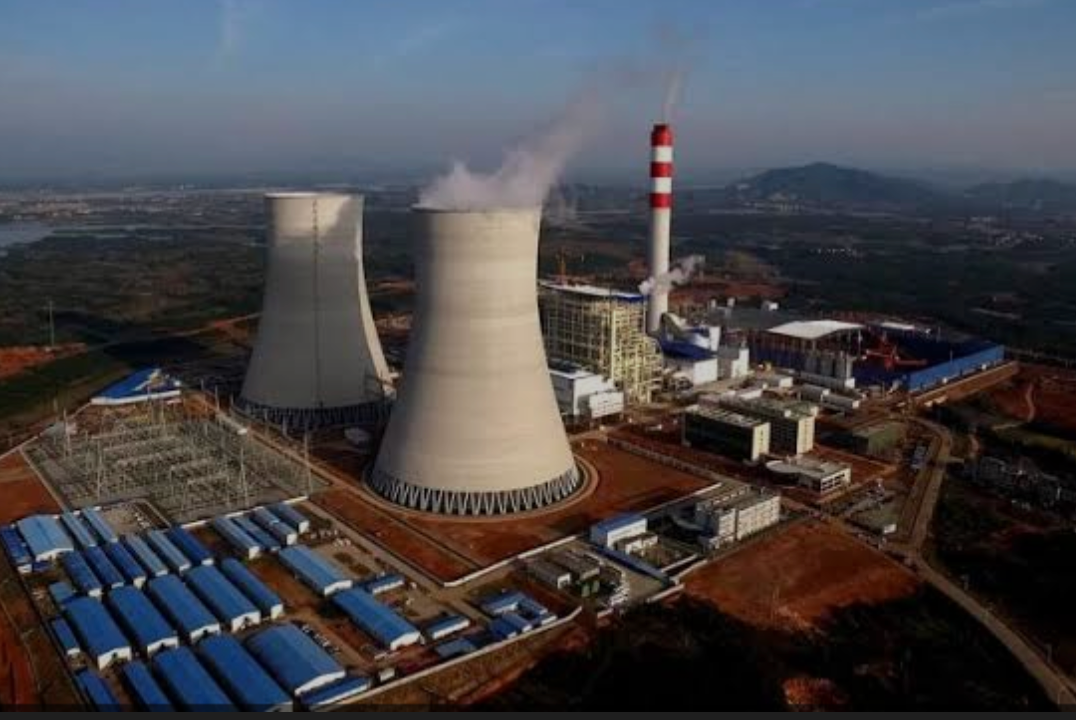
As global industries accelerate toward carbon neutrality and stricter environmental compliance, flue gas treatment is no longer viewed merely as an operational burden—it has become a strategic investment in sustainability, competitiveness, and long-term profitability.
For industries such as thermal power generation, steel production, chemical processing, and coking plants, sulfur dioxide (SO₂) emissions remain one of the most critical environmental challenges. Choosing the right flue gas desulfurization technology has become essential not only for regulatory compliance but also for controlling operational costs and improving plant efficiency.
Among the mainstream technologies available today—including limestone-gypsum desulfurization, sodium bicarbonate dry desulfurization, and ammonia-based desulfurization—one solution is rapidly emerging as a superior option, especially for retrofit projects in aging industrial facilities.
Ammonia-based desulfurization offers something traditional systems often cannot: high sulfur removal efficiency, zero wastewater discharge, smaller footprint, and recoverable economic value through byproduct utilization.
For many enterprises seeking to modernize existing plants without excessive capital expenditure, this technology is proving to be the most practical and profitable path forward.
The Growing Challenge of Industrial SO₂ Emission Control
Environmental regulations around the world are tightening rapidly. Governments are implementing stricter ultra-low emission standards, while industries are under increasing pressure to reduce pollutants and improve environmental performance.
Traditional sulfur dioxide removal methods have served industry for decades, but many are now facing limitations—especially in retrofit scenarios.
Older power plants and industrial facilities often struggle with:
- Limited installation space
- High water consumption restrictions
- Rising operating costs
- Secondary pollution management challenges
- Increasing maintenance complexity
As a result, businesses are actively searching for wastewater-free desulfurization technologies that can meet compliance requirements without adding significant operational burdens.
This is where ammonia-based flue gas desulfurization (Ammonia FGD) stands out.
Comparing Mainstream Flue Gas Desulfurization Technologies
Limestone-Gypsum Desulfurization
The limestone-gypsum method remains one of the most widely used flue gas desulfurization technologies worldwide. Its technical maturity and broad applicability make it a common choice for large-scale installations.
However, its disadvantages are becoming increasingly apparent:
- Large land occupation
- Complex system configuration
- High initial investment
- Significant wastewater generation
- Difficult gypsum disposal and handling
- Heavy maintenance workload
For older industrial plants with space limitations, installing or expanding a limestone system can be costly and technically challenging.
Sodium Bicarbonate Dry Desulfurization
Sodium bicarbonate desulfurization is often favored for smaller boilers and low-sulfur conditions due to its:
- Fast reaction speed
- Compact footprint
- Simple installation
Despite these benefits, long-term economics can be problematic.
Its main drawbacks include:
- High reagent consumption cost
- Limited byproduct recovery value
- Higher operating expenses over time
For enterprises focused on lifecycle cost optimization, this method may not offer sufficient economic advantages.
Ammonia-Based Desulfurization: A Smarter Alternative
Compared with conventional options, ammonia-based desulfurization introduces a fundamentally different approach.
Instead of simply treating sulfur dioxide as waste, the process transforms it into a commercially valuable product.
Using liquid ammonia or industrial byproduct ammonia as the absorbent, sulfur dioxide reacts to form ammonium sulfate, a premium nitrogen-sulfur compound fertilizer widely used in agriculture.
This “pollution-to-resource” model creates a closed-loop environmental and economic system.
The key advantages include:
- No wastewater discharge
- High SO₂ removal efficiency (95%, up to 99%)
- Lower operating cost
- Smaller installation footprint
- Recoverable fertilizer byproduct
- Reduced secondary pollution risks
For industries with existing ammonia resources, the economic benefits become even more significant.
Why Aging Industrial Plants Need Ammonia FGD
Many existing power stations, steel plants, and chemical facilities were designed decades ago, when environmental standards were less demanding.
Today, retrofitting these plants poses unique challenges.
1. Limited Space for Equipment Expansion
Traditional wet limestone systems often require extensive absorber towers, wastewater treatment units, and large auxiliary equipment areas.
In contrast, ammonia-based desulfurization systems are far more compact.
Their modular design allows installation in restricted spaces, making them ideal for retrofit projects where plant layout flexibility is limited.
This can dramatically reduce:
- Civil construction costs
- Structural modifications
- Installation downtime
2. Elimination of Desulfurization Wastewater
Water management has become a growing concern in industrial sustainability.
Conventional wet desulfurization generates large volumes of wastewater requiring expensive treatment.
Ammonia desulfurization solves this problem at the source.
Its process enables wastewater-free desulfurization, eliminating:
- Wastewater treatment facilities
- Additional chemical consumption
- Water discharge compliance risks
This directly lowers both operational complexity and environmental liability.
3. Turning Environmental Cost into Revenue
Perhaps the most compelling advantage of ammonia-based desulfurization technology is economic recovery.
The ammonium sulfate produced can be sold directly as fertilizer, generating continuous additional income.
Instead of treating pollution control as a pure expense, companies can establish a new profit stream.
This transforms the desulfurization system from a cost center into a revenue-generating asset.
MirShine’s Advanced Ammonia-Based Desulfurization Technology
As a specialist in environmental engineering, MirShine has developed an advanced Integrated Ammonia-Based Desulfurization and Dust Removal System featuring proprietary staged separation and purification technology.
This innovation addresses two of the most challenging issues historically associated with ammonia FGD:
- Aerosol formation
- Ammonia slip
Both problems have long limited wider industry adoption.
Through continuous technical optimization, MirShine’s system significantly improves operational stability and emission performance.
The technology has been evaluated by an expert panel led by leading environmental authorities and recognized as reaching an internationally advanced level.
Key technical benefits include:
- High desulfurization efficiency
- Simultaneous dust removal integration
- Effective aerosol suppression
- Reduced ammonia escape
- Stable long-term operation
- Simplified system maintenance
These advancements are helping more enterprises confidently adopt ammonia-based flue gas desulfurization as a sustainable emissions solution.
Supporting Carbon Reduction Beyond SO₂ Removal
The value of ammonia-based desulfurization extends beyond sulfur dioxide control.
It also contributes to broader decarbonization goals.
Reduced Carbon Footprint Through Byproduct Utilization
Recovered ammonium sulfate can replace conventionally produced fertilizers, reducing demand for energy-intensive chemical manufacturing.
This indirectly lowers carbon emissions across the supply chain.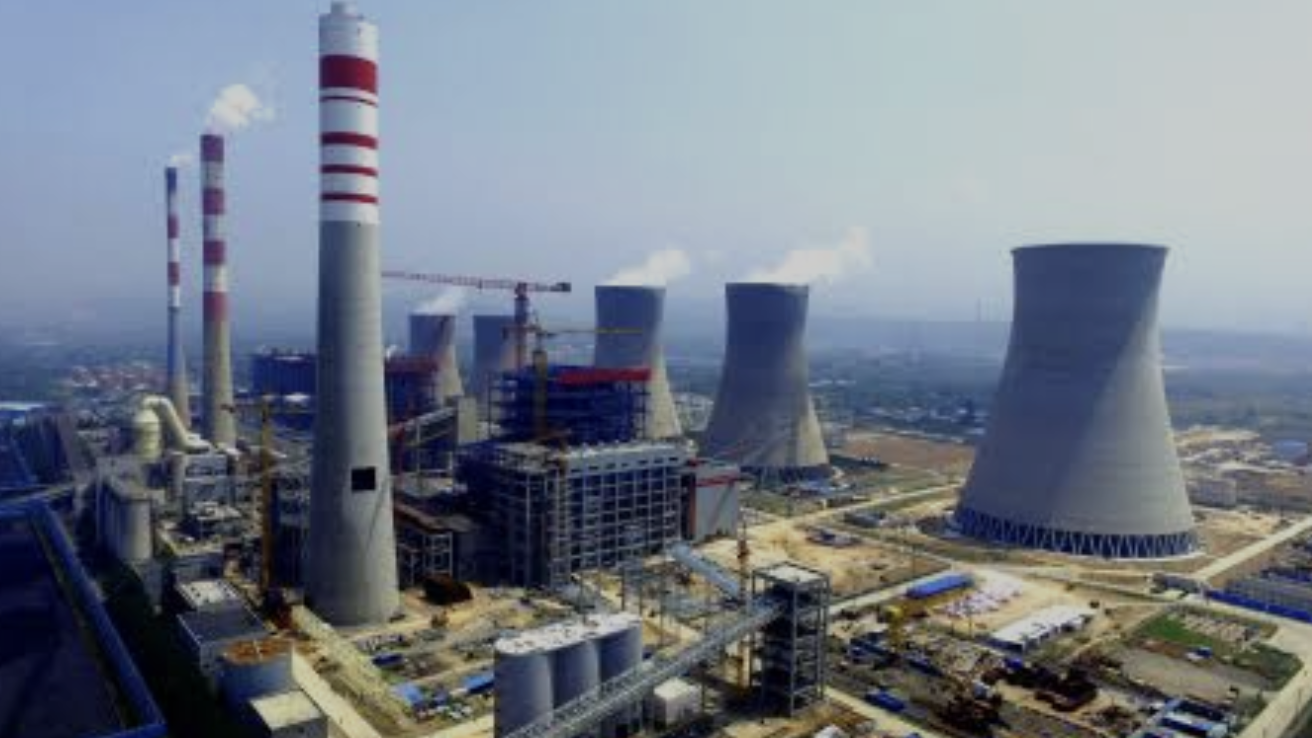
Future Integration with Green Ammonia
As green ammonia emerges as a promising zero-carbon energy carrier, industrial familiarity with ammonia handling infrastructure creates future opportunities.
Ammonia desulfurization may eventually integrate with:
- Green ammonia supply systems
- Carbon capture technologies
- Hydrogen economy development pathways
This positions the technology as part of a larger low-carbon industrial transformation.
Why Industries Are Choosing Ammonia-Based Desulfurization Now
The global push toward ultra-low emissions is accelerating.
Companies are under pressure to find solutions that deliver:
- Compliance certainty
- Lower operating costs
- Sustainability improvements
- Competitive long-term value
Ammonia-based desulfurization checks all these boxes.
It is no longer simply an alternative technology—it is becoming the preferred strategy for industrial retrofit and modernization.
For many enterprises, the question is no longer whether to upgrade, but how to do so intelligently.
Frequently Asked Questions (FAQ)
What is ammonia-based desulfurization?
Ammonia-based desulfurization is a flue gas desulfurization technology that uses ammonia to absorb sulfur dioxide from industrial exhaust gases, converting it into ammonium sulfate fertilizer.
Is ammonia desulfurization more efficient than limestone desulfurization?
In many applications, yes. Ammonia FGD typically achieves SO₂ removal efficiencies above 95%, with optimized systems exceeding 99%, while requiring less space and producing no wastewater.
Does ammonia-based desulfurization generate wastewater?
No. One of its major advantages is wastewater-free operation, eliminating the need for separate desulfurization wastewater treatment systems.
What industries are best suited for ammonia desulfurization?
It is especially suitable for:
- Thermal power plants
- Steel plants
- Coking facilities
- Chemical plants
- Industrial boilers
It is particularly advantageous where ammonia resources are already available.
Can ammonium sulfate byproducts be sold?
Yes. Ammonium sulfate is a valuable agricultural fertilizer and can generate additional revenue for plant operators.
Is ammonia slip still a problem?
Modern technologies such as MirShine’s staged purification system significantly reduce ammonia slip and aerosol formation, making operation safer and more reliable.
A Sustainable and Profitable Path Forward
Industrial emission control is entering a new era.
Companies can no longer afford to view environmental systems as simple compliance tools. The future belongs to technologies that combine environmental responsibility with economic intelligence.
Ammonia-based desulfurization represents exactly that shift.
It delivers cleaner air, lower operational costs, recoverable value, and stronger long-term sustainability.
Choosing ammonia desulfurization is not just selecting a sulfur removal technology.
It is choosing a greener, smarter, and more profitable industrial future.
Table of Contents
- Limestone-Gypsum Desulfurization
- Sodium Bicarbonate Dry Desulfurization
- Ammonia-Based Desulfurization: A Smarter Alternative
- 1. Limited Space for Equipment Expansion
- 2. Elimination of Desulfurization Wastewater
- 3. Turning Environmental Cost into Revenue
- Reduced Carbon Footprint Through Byproduct Utilization
- Future Integration with Green Ammonia
- What is ammonia-based desulfurization?
- Is ammonia desulfurization more efficient than limestone desulfurization?
- Does ammonia-based desulfurization generate wastewater?
- What industries are best suited for ammonia desulfurization?
- Can ammonium sulfate byproducts be sold?
- Is ammonia slip still a problem?