 EN
EN


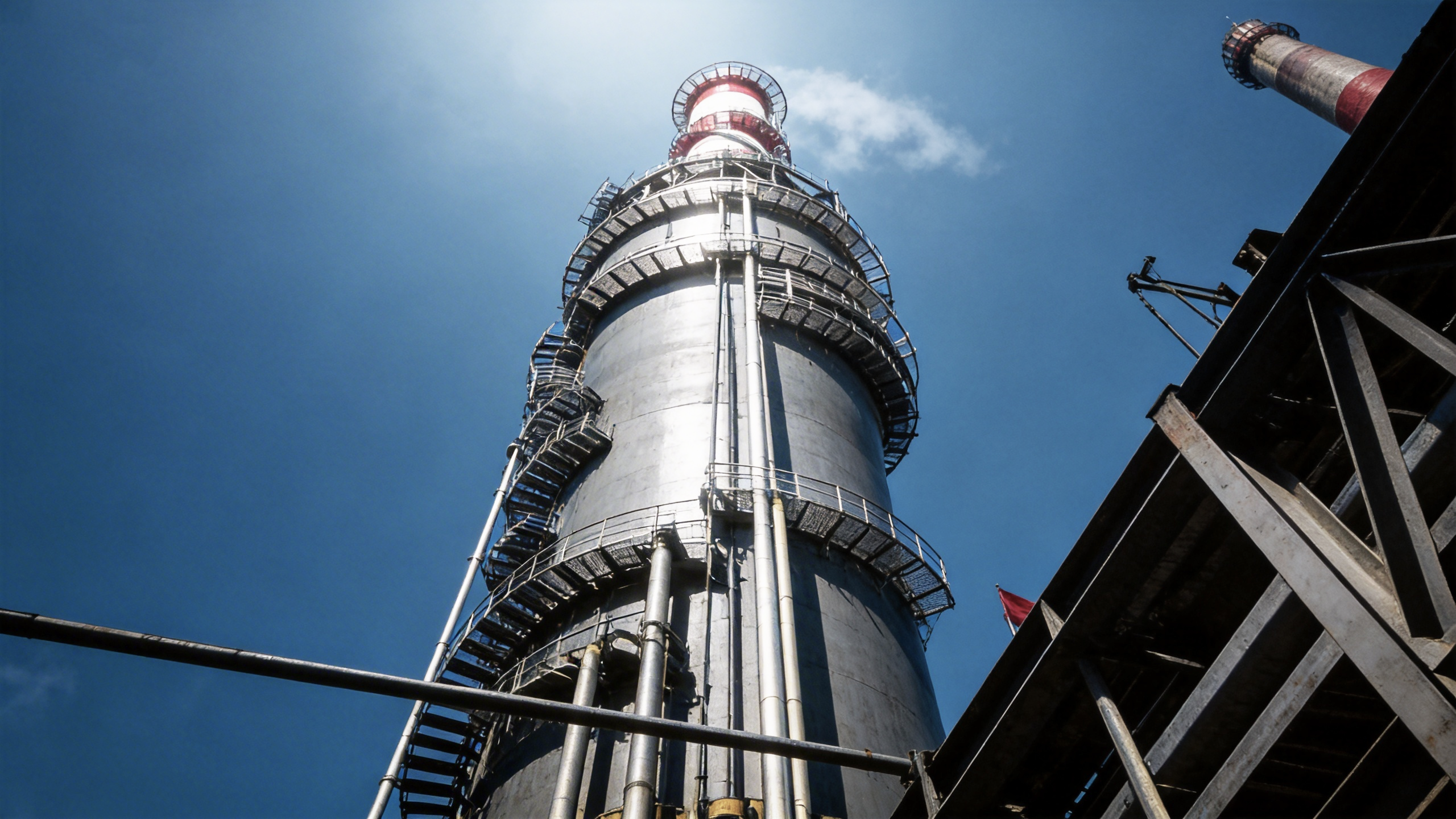
As environmental regulations continue to tighten worldwide, industrial facilities are facing increasing pressure to reduce sulfur dioxide (SO₂) emissions while maintaining economic competitiveness. For aging power plants, steel mills, coking facilities, and chemical plants, upgrading existing flue gas treatment systems has become a critical challenge. Many operators are looking for solutions that not only meet ultra-low emission standards but also minimize operational costs and construction complexity.
Among the available flue gas desulfurization technologies, ammonia-based desulfurization has emerged as one of the most attractive retrofit solutions. With its ability to achieve high sulfur removal efficiency, eliminate wastewater discharge, reduce installation footprint, and generate valuable byproducts, ammonia FGD is becoming the preferred choice for industrial modernization projects.
The Challenges of Retrofitting Aging Industrial Facilities
Many industrial plants currently in operation were built decades ago when environmental standards were significantly less demanding. As governments introduce stricter emission regulations, these facilities often struggle to comply with modern requirements.
One of the biggest challenges is limited space. Traditional limestone-gypsum desulfurization systems typically require large absorber towers, slurry preparation units, gypsum dewatering equipment, and wastewater treatment facilities. Expanding these systems in existing plants can be difficult and expensive.
Another challenge is operating cost. Environmental compliance should not create excessive financial pressure on enterprises. Plant owners increasingly seek technologies capable of reducing long-term operational expenditures while maintaining stable emission performance.
Water consumption is also becoming an important concern. In many regions, industrial water resources are limited, making wastewater-intensive technologies less attractive.
These challenges have created strong demand for efficient, compact, and sustainable desulfurization solutions.
Understanding Ammonia-Based Desulfurization
Ammonia-based desulfurization is a wet flue gas treatment technology that uses ammonia as the absorbent to remove sulfur dioxide from industrial exhaust gases.
During the process, sulfur dioxide reacts with ammonia and oxygen to produce ammonium sulfate, a high-value nitrogen-sulfur fertilizer widely used in agriculture.
Unlike conventional desulfurization methods that generate waste products requiring disposal, ammonia FGD transforms pollutants into marketable resources.
This unique characteristic fundamentally changes the economics of flue gas treatment.
Instead of treating environmental compliance as a cost center, companies can recover value through byproduct sales.
High Desulfurization Efficiency
One of the primary reasons industrial operators choose ammonia-based desulfurization is its exceptional sulfur removal efficiency.
Modern ammonia FGD systems routinely achieve desulfurization efficiencies above 95%, while optimized designs can exceed 99%.
This level of performance enables facilities to comply with stringent ultra-low emission standards even when sulfur concentrations fluctuate significantly.
Stable operation under varying load conditions is particularly important for power generation and industrial boiler applications, where production requirements may change frequently.
The strong absorption capability of ammonia allows the system to maintain excellent performance while reducing reagent consumption.
No Wastewater Discharge
Traditional wet limestone desulfurization systems generate substantial volumes of wastewater that require additional treatment.
Wastewater treatment facilities increase capital investment, operating costs, maintenance requirements, and environmental management complexity.
Ammonia-based desulfurization addresses this issue directly.
Through process optimization and resource recovery, modern ammonia FGD systems can operate without generating desulfurization wastewater.
This wastewater-free operation offers several benefits:
Reduced water consumption
Lower operating costs
Simplified plant operation
Reduced environmental risks
Improved sustainability performance
For industries operating in water-scarce regions, this advantage can be particularly valuable.
Smaller Footprint for Retrofit Projects
Space limitations often represent the biggest obstacle during environmental upgrades.
Compared with conventional limestone-gypsum systems, ammonia desulfurization equipment generally requires significantly less installation space.
Its compact design reduces the need for extensive civil engineering work and structural modifications.
This makes ammonia FGD especially suitable for:
Coal-fired power plant retrofits
Steel sintering plants
Coking facilities
Chemical production plants
Industrial boilers
Facilities with limited available land
The smaller footprint also shortens construction schedules and minimizes production disruptions during project implementation.
Creating Economic Value Through Byproduct Recovery
A major advantage of ammonia desulfurization is its ability to produce commercial-grade ammonium sulfate.
Ammonium sulfate is a widely used fertilizer containing both nitrogen and sulfur nutrients.
The global agricultural sector continues to maintain strong demand for ammonium sulfate products, creating opportunities for industrial facilities to generate additional revenue.
Instead of spending money to dispose of waste materials, companies can sell the recovered product and offset environmental investment costs.
This transformation from pollution treatment to resource recovery is one of the key reasons ammonia FGD is gaining popularity worldwide.
Solving Historical Challenges in Ammonia FGD
Historically, concerns regarding ammonia slip and aerosol formation limited wider adoption of ammonia-based desulfurization.
However, modern technological developments have significantly improved system performance.
Advanced designs now incorporate optimized absorption structures, staged purification processes, and highly efficient aerosol control technologies.
MirShine’s independently developed staged separation and purification ammonia desulfurization technology effectively addresses these challenges, improving operational reliability and environmental performance.
By controlling ammonia slip and minimizing aerosol emissions, modern systems achieve stable compliance while maintaining the economic advantages of ammonia FGD.
Supporting Carbon Reduction Goals
Environmental compliance today extends beyond sulfur dioxide control.
Many enterprises are developing long-term carbon reduction strategies aligned with global sustainability goals.
Ammonia-based desulfurization contributes to these objectives in several ways.
First, the recovery of ammonium sulfate reduces the demand for conventionally manufactured fertilizers, indirectly lowering carbon emissions associated with fertilizer production.
Second, ammonia is increasingly recognized as a future clean energy carrier. Industrial familiarity with ammonia handling systems may facilitate future integration with green ammonia and low-carbon industrial technologies.
As industries continue to pursue decarbonization, ammonia FGD offers advantages that extend beyond traditional pollution control.
Applications Across Multiple Industries
Ammonia-based desulfurization is widely applicable across a variety of industrial sectors.
Power generation facilities benefit from its high efficiency and operational stability.
Steel plants value its compact footprint and ability to achieve ultra-low emissions.
Coking enterprises often possess existing ammonia resources, creating additional economic advantages.
Chemical plants appreciate the potential for resource recovery and process integration.
This versatility makes ammonia FGD one of the most adaptable desulfurization technologies available today.
The Future of Industrial Emission Control
The future of environmental protection lies in technologies capable of balancing compliance, sustainability, and profitability.
Industries can no longer afford to treat environmental systems solely as regulatory requirements.
Instead, successful enterprises are adopting solutions that create long-term value while supporting environmental objectives.
Ammonia-based desulfurization exemplifies this approach.
It delivers high sulfur removal efficiency, eliminates wastewater generation, reduces installation space requirements, and creates valuable byproducts.
For aging industrial facilities seeking practical and cost-effective environmental upgrades, ammonia FGD is proving to be one of the most compelling solutions available.
FAQ
What is ammonia-based desulfurization?
Ammonia-based desulfurization is a flue gas treatment technology that uses ammonia to remove sulfur dioxide from industrial exhaust gases and converts it into ammonium sulfate fertilizer.
What is the desulfurization efficiency of ammonia FGD?
Most modern ammonia FGD systems achieve sulfur removal efficiencies above 95%, with optimized systems reaching more than 99%.
Does ammonia desulfurization produce wastewater?
Modern ammonia desulfurization systems can operate without generating desulfurization wastewater, significantly reducing environmental management costs.
Which industries can use ammonia FGD?
Power plants, steel mills, coking facilities, chemical plants, industrial boilers, and other industries requiring sulfur dioxide control can benefit from ammonia desulfurization.
Why is ammonia desulfurization suitable for retrofits?
Its compact footprint, high efficiency, reduced water consumption, and potential economic returns make it ideal for upgrading existing industrial facilities.
Can ammonium sulfate generated by the system be sold?
Yes. Ammonium sulfate is a valuable fertilizer widely used in agriculture and can generate additional revenue for plant operators.
Table of Contents
- The Challenges of Retrofitting Aging Industrial Facilities
- Understanding Ammonia-Based Desulfurization
- High Desulfurization Efficiency
- No Wastewater Discharge
- Smaller Footprint for Retrofit Projects
- Creating Economic Value Through Byproduct Recovery
- Solving Historical Challenges in Ammonia FGD
- Supporting Carbon Reduction Goals
- Applications Across Multiple Industries
- The Future of Industrial Emission Control
- FAQ