 EN
EN


הקבוצות העירוניות לאורך הצלע הצפונית של הרים טיאנשאן בשינגג'יאנג תופסות רק 4.1% משטח האזור , אך אחראיות לכמעט מחצית מצריכת הפחם הכוללת , ופולטות יותר מ- 50% מדיאוקسيد הגופרית (SO₂) וכמו-כן כ - , שליש מאוקסידי החנקן (NOₓ) וחומר חלקתי .
מאפיינות אותן מבנה תעשייתי כבד ותערובת אנרגיה התלויה בפחם, בשילוב עם תבליט הרים סגורים והיפוך טמפרטורות חורפי , מה שמגביל קיצוני את פיזור המזהמים. בחורף, הקיבולת הסביבתית של האטמוספירה היא רק שמינית מזה בקיץ , מה שהטיל לחץ עצום על ניהול איכות האוויר.
במסגרת האסטרטגיה הסינית של ה"כפול-פחמן" והתקנות הסביבתיות החמורות יותר מתמיד, מפעלי התעשייה בשינג'יאנג ניצבים בפני אתגרים חסרי תקדים בשליטה בהפלטות .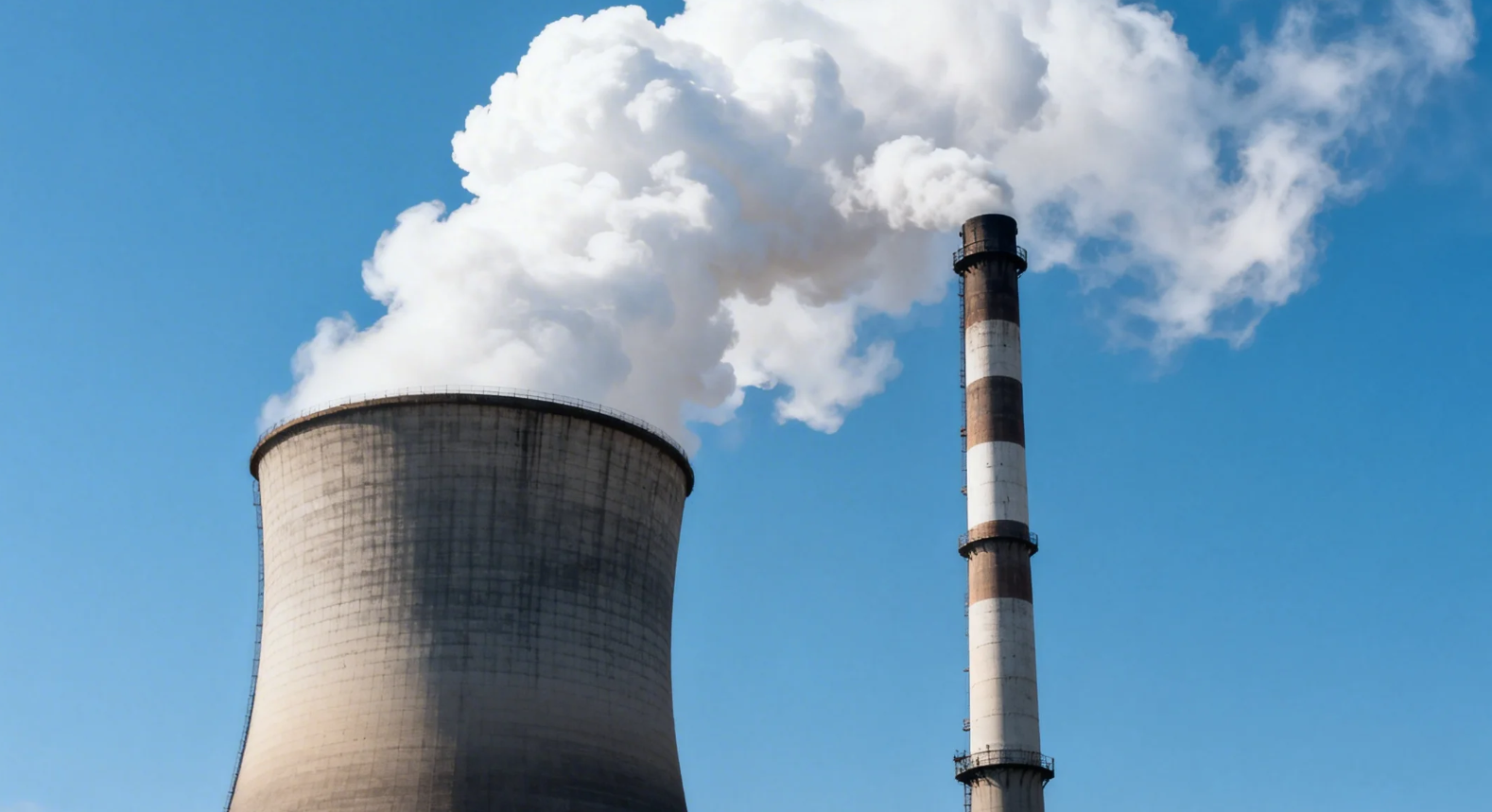
בסוף 2025, רשות הסביבה של צ'נג'י, יחד עם האקדמיה הסינית למדעי הסביבה, ביצעה ניטור מיוחד של דליפת אמוניה בתחנות כוח עפריות מרכזיות.
בעוד האזור מקדם את ״אחת חברה – אסטרטגיה אחת״ הגישה הזו, נותרה בעיה בסיסית:
המגבלות המובילות של טכנולוגיית מיתור גזים עשן על בסיס אמוניה קונבנציונלית.
מיתוג חומצה על בסיס אמוניה מסורתי יכול להפוך את SO2 לחומץ אמוניום סולפייט, אך הוא מלווה לעתים קרובות בשתי בעיות עיקריות:
נושא יותר עדין הוא חלקיקים מתכופפים (CPM) -אני לא יודע. אמוניאק נמלט מגיב עם חומצות גופרית ונייטריק כדי ליצור סולפט אמוניום וניטרט אמוניוםתורמים מרכזיים ל-PM2.5. נתוני מעקב מצ'אנג'י מראים ש יוני אמוניום מהווים עד 21.6% מהרכב PM2.5 .
מעבר לזיהום משני, דליפת אמוניה יכולה גם ליצור אמוניום ביסולפט , חומר קורוזיבי חזק שמזיק לציוד הסמוך. 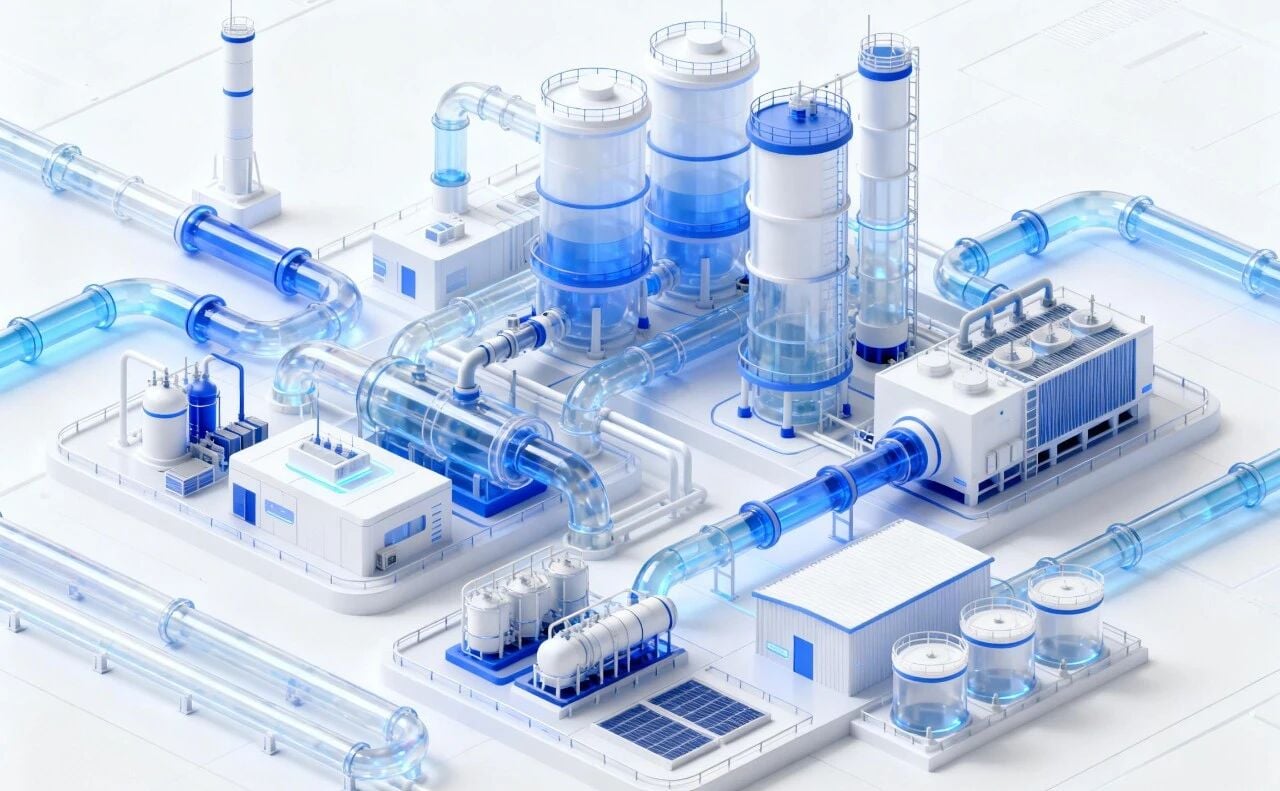
בתהליכים מבוססי אמוניה מסורתיים, האמוניה מגיבה ישירות עם דו-תחמוצת הגופרית (SO₂) ויוצרת ביניים לא יציבים כגון סולפיט אמוניום וביסולפיט אמוניום.
בטמפרטורות גבוהות, תרכובות אלו מתפרקות בקלות, ומשחררות אמוניה גזית ודו-תחמוצת הגופרית שוב — מה שגורם באופן ישיר לדליפת אמוניה וליצירת אאראוסולים.
באותו זמן:
שלוש האתגרים הללו— לכידת אמוניה, היווצרות אירוסול ויעילות נמוכה של תהליך הזרעון הגבילו לאורך זמן את התעשייה.
ג'נג בו, יושב ראש חברת MirShine Environmental, הציע גישה מהפכנית לחלוטין:
במקום לאפשר לאמוניה לקלוט ישירות את דו-תחמוצת הגופרית (SO₂), התהליך משתמש תחילה במים לספיגת דו-תחמוצת הגופרית ויוצר פתרון סולפייט. לאחר מכן מוזרמים אמוניה לתוך הפאזה הנוזלית כדי לנטרלize את הפתרון וליצור ישירות сульפט אמוניום.
חדשנות זו מבטיחה ש:
כתוצאה מכך, דיפוזיית אמוניה ויצירת אโรזולים מונעות כבר במקורן .
MirShine משפרת עוד יותר את יציבות המערכת עם תהליך סיבוב חיצוני של גבישים :
זה מספק בסיס איתן לפעולת יציבות ארוכת טווח .
ניתוח מעבדתי מקיף מאשר כי:
הביצוע הפלטי של מערכת MirShine תחרותי מאוד:
ב פברואר 2025 , ומירשין קיבלה פטנט לאומי ששמו:
״שיטה להפחתה משמעותית של דליפת אמוניה בתהליכי בליעת גזי עישן באמוניה והיישום שלה״ מחזק עוד יותר את הנהגות הטכנולוגית שלו.
הנשיא צג'נג בו מדגיש גם בעיה רחבה יותר:
הסרת גופרית מבוססת סידן מסורתית מפחיתה זיהום, אך יוצרת פליטות CO₂ משמעותיות, ויוצרת פרדוקס של „שליטה בזיהום עם עלייה בפליטות פחמן.”
מירשין מתמודדת עם האתגר הזה בגישה כפולה של חזרה אקולוגית וכלכלה נמוכה פחמנית , הממירה את דו-תחמוצת הגופרית לדשן סולפט אמוניום בעל ערך, וממשת גם את השליטה בזיהום ואת שחזור המשאבים .
למפעלים תעשייתיים ב Xinjiang, שליטה בהחדרת אמוניה ובערפלים אינה רק עניין של התאמה לתקנות – היא חיונית לשיפור האיכות הכוללת של אוויר האזור.
כששליטת זיהום האוויר באזור הצפוני של רכס טיאנשאן נכנסת לשלב קריטי ו ״אחת חברה – אסטרטגיה אחת״ מיירשין הטכנולוגיה שלה "הזרקת אמוניה בתווך חומצי" מציעה פתרון פרקטי וניתן להרחבה:
כפי שזhang בו מדגיש, הפתרון האולטימטיבי לאתגרים סביבתיים הוא להפוך פסולת לערך באמצעות עקרונות הכלכלה המעוגלת .
הסרת גופרית ודניטריפיקציה
הסרת אבק
טיפול ב-VOCs
שסתום חילוץ גוילוטין
הקטנת פליטת פחמן
ייצור משותף של חומצה המית
פירוליזה של פסולת צמיגים
תפעול & תחזוקה
קומה 3, פארק טכנולוגיות הסביבה לונגשאן, מחוז ז'אנגצ'יו, ג'ינן, שנדון, סין
כל הזכויות זכויות © 2025 מירשאין טכנולוגיה להגנה על הסביבה בע"מ. כל הזכויות שמורות. מדיניות הפרטיות