 EN
EN


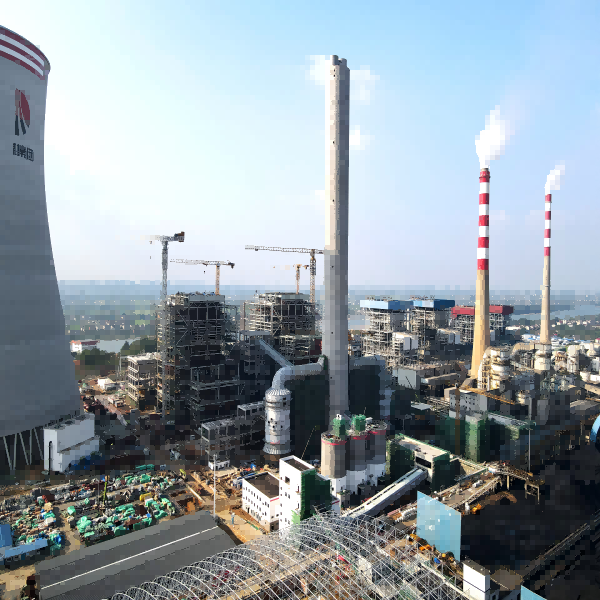
پیٹرو کیمیکل صنعت جدید معیشتوں کی ایک بنیادی حیثیت رکھتی ہے، جو ضروری کیمیکلز، ایندھن اور پولیمرز تیار کرتی ہے۔ تاہم، اس کے توانائی سے بھرپور عمل سے سلفر ڈائی آکسائیڈ (SO₂)، نائٹروجن آکسائیڈز (NOₓ) اور ذراتی مواد سے بھرپور دھواں گیسیں خارج ہوتی ہیں، جو سنگین ماحولیاتی چیلنجز کا باعث بنتی ہیں۔ سخت تر اخراج کے قوانین کے علاوہ عالمی سطح پر پائیدار تیاری کی طرف بڑھتی ہوئی رجحان نے الٹرا لو اخراج کی ٹیکنالوجیز کو لازمی بنادیا ہے۔ ان میں سے، امونیا پر مبنی دھواں گیس کا گندگی ختم کرنے کا نظام (FGD) پیٹرو کیمیکل سہولیات کے لیے ایک بہت مؤثر حل کے طور پر ابھرا ہے، جو ماحولیاتی، آپریشنل اور معاشی فوائد فراہم کرتا ہے۔
پیٹرو کیمیکل سہولیات میں دھواں گیس کی خصوصیات کو سمجھنا
پیٹرو کیمیکل پلانٹ عام طور پر اونچے درجہ حرارت کے بھٹیاں، ریفارمرز اور بوائلرز کو چلاتے ہیں، جو مندرجہ ذیل خصوصیات کے ساتھ دھواں گیسیں پیدا کرتے ہیں:
سلفر والے ایندھن اور فیڈ اسٹاک کے احتراق کی وجہ سے درمیانہ سے زیادہ SO₂ کی ساخت۔
مختلف عملی وحدتوں میں درجہ حرارت کی متغیر حدود، 180–300°C کے درمیان۔
نمی سے بھرپور دھارا، جو کبھی کبھار ہائیڈروکاربن، دھول اور نشانی کی مقدار میں بھاری دھاتوں کو شامل کرتے ہیں۔
فرن اور کیٹالیٹک یونٹس میں بلند درجہ حرارت کی رد عمل سے NOₓ کی موجودگی۔
یہ پیچیدہ دھواں گیس کی تشکیل ایک ایسی ڈی سلفرائزیشن ٹیکنالوجی کی ضرورت ہوتی ہے جو لچکدار، قابل اعتماد ہو اور متعدد آلودگیوں کو ختم کرنے کی صلاحیت رکھتی ہو ۔ روایتی چونے کے پتھر اور جِپسم کے FGD نظام، جو کوئلے کی طاقت کے درخواستوں میں مؤثر ہیں، اکثر پیٹرو کیمیکل یونٹس میں عام طور پر پائی جانے والی کیمیائی تغیر پذیری اور کم درجہ حرارت کی حالتوں سے نمٹنے میں مشکلات کا شکار ہوتے ہیں۔ امونیا پر مبنی FGD ، اس کے برعکس، کیمیائی لچک اور تیز جذب کی گتی کی پیشکش کرتا ہے، جس کی وجہ سے یہ پیٹرو کیمیکل پلانٹس کے منفرد آپریشنل ماحول کے لیے بہترین طور پر موزوں ہے۔
پیٹرو کیمیکل سیٹنگز میں امونیا پر مبنی FGD کا کام کرنے کا طریقہ
امونیا پر مبنی FGD استعمال کرتا ہے آبی امونیا (NH₃) سلفر ڈائی آکسائیڈ کے ساتھ ردعمل کرنے کے لیے، جس سے امونیم سلفیٹ یا امونیم بائی سلفیٹ جیسے امونیم نمکات بنائے جاتے ہیں۔ اس عمل میں درج ذیل مراحل شامل ہیں:
دھواں گیس کا جذب: کثیر مرحلہ اسپرے ٹاورز یا پیکڈ کالم امونیا اور SO₂ کے درمیان زیادہ سے زیادہ رابطہ یقینی بناتے ہیں۔
کیمیائی ردعمل: SO₂ امونیا کے محلول میں حل ہو جاتا ہے، جس سے امونیم سلفائٹ بنتا ہے اور بعد ازاں آکسیڈیشن کے ذریعے امونیم سلفیٹ تشکیل پاتا ہے۔
ضمنی پروڈکٹ ہینڈلنگ: امونیم سلفیٹ کے محلول کو ترغیب دی جاتی ہے، بلوری شکل میں تبدیل کیا جاتا ہے اور خشک کر کے تجارتی معیار کے کھاد کی شکل میں تیار کیا جاتا ہے۔
اخراج کنٹرول: جدید دھند کے خاتمے والے آلے اور مرحلہ وار علیحدگی امونیا کے رساؤ (slip)، ایروسول کی تشکیل اور بدبو کے مسائل کو روکتے ہیں۔
امونیا کی زیادہ ردعمل کی صلاحیت یقینی بناتی ہے 95–99% سے زائد کی گندھک خارج کرنے کی کارکردگی ، حتیٰ کہ پیٹروکیمیکل آپریشنز میں عام طور پر دیکھی جانے والی درجہ حرارت اور نمی کی تبدیلی کے حالات کے تحت بھی۔
پیٹروکیمیکل پلانٹس میں امونیا پر مبنی FGD کے اہم فوائد
1. انتہائی کم SO₂ اخراج
پیٹروکیمیکل پلانٹس کو مقامی اور بین الاقوامی معیارات کے مطابق SO₂ اخراج کو کم کرنے کے لیے بڑا دباؤ ہے۔ امونیا پر مبنی FGD نظام مستقل طور پر کم خروجی کثافت ، اکثر 30 ملی گرام/Nm³ سے کم، جس سے انتہائی کم اخراج کے قوانین کی پابندی یقینی بنائی جاتی ہے۔ امونیا کی سلفور کے مرکبات کے ساتھ تیز کیمیائی ردعمل کی وجہ سے SO₂ کے عارضی اضافے بھی سسٹم کی مجموعی کارکردگی کو متاثر نہیں کرتے۔
2. ثانوی مصنوعات کا وسائل کے طور پر استعمال
امونیا پر مبنی FGD کا ایک اہم فائدہ یہ ہے کہ اس سے آمونیاکل سلفیٹ جسے ایک اعلیٰ معیار کے کھاد کے طور پر مارکیٹ کیا جا سکتا ہے۔ یہ نہ صرف ایک اضافی آمدنی کا ذریعہ فراہم کرتا ہے بلکہ یہ حِلقہ وُضَعی معیشت کے اصول گندہ سلفر کو قیمتی مصنوعات میں تبدیل کرتا ہے۔ پیٹرو کیمیکل پلانٹس میں، جہاں مختلف خوراک کے مواد کی وجہ سے سلفر کے انتظام کا کام خاص طور پر پیچیدہ ہو سکتا ہے، اس طریقہ کار سے فضلات کی تربیت کے چیلنجز کو کافی حد تک کم کیا جا سکتا ہے۔
3. پیچیدہ دھواں گیس کے بہاؤ کے ساتھ مطابقت
پیٹرو کیمیکل دھواں گیس میں ہائیڈروکاربن، دھول اور نشانی کی شکل میں دھاتیں شامل ہو سکتی ہیں۔ امونیا پر مبنی FGD نظام، جو کثیر درجہ کے علیحدگی اور دھند کے خاتمے کے ساتھ سلفر مرکبات کے علاوہ ذرات اور ایروسولز کو بھی مؤثر طریقے سے دور کر سکتا ہے۔ یہ ایک جامع نقطہ نظر ماحولیاتی مطابقت کو بہتر بناتا ہے بغیر کہ الگ الگ دھول یا بھاری دھات کنٹرول سسٹمز کی ضرورت ہو۔
4. توانائی کی کم مصرفی
روایتی چونے کے پتھر پر مبنی FGD کے مقابلے میں، امونیا پر مبنی نظاموں کو کم سیال سے گیس کے تناسب کی ضرورت ہوتی ہے اور کم پمپنگ طاقت۔ بہترین اسپرے ٹاور کے ڈیزائنز سسٹم کے دباؤ میں کمی کو کم سے کم کرتے ہیں، جس سے جبری خرچ کرنے والے پنکھوں اور پمپوں کی توانائی کی کھپت کم ہوتی ہے۔ امونیا اور SO₂ کے درمیان خارج ہونے والی حرارت کی رد عمل کو بھی عمل کے درجہ حرارت کو برقرار رکھنے کے لیے جزوی طور پر استعمال کیا جا سکتا ہے، جس سے توانائی کی کارکردگی مزید بہتر ہوتی ہے۔
5. بہتر کام کرنے کی لچک
پیٹرو کیمیکل کے پلانٹ اکثر تجربہ کرتے ہیں دھوئیں کی گیس کے مختلف بہاؤ کی شرح اور تشکیل پیداواری طریقوں اور خوراک کی قسموں میں تبدیلی کی وجہ سے۔ امونیا پر مبنی FGD سسٹم بہت زیادہ موافقت پذیر ہیں، جو وسیع حد تک آپریٹنگ حالات کے دوران مستحکم SO₂ کے اخراج کو برقرار رکھنے کے قابل ہیں۔ ماڈیولر ڈیزائن نئے اور دوبارہ تعمیر شدہ یونٹس دونوں میں ضم کرنے کی اجازت دیتا ہے، جس سے پلانٹ کے آپریشنز میں رُکاوٹ اور تعطل کو کم سے کم کیا جا سکتا ہے۔
6. NOₓ کنٹرول سسٹمز کے ساتھ ہم آہنگی
امونیا پر مبنی FGD کو منتخبہ محوّلی کثیر العمل (SCR) یا منتخب غیر کیٹالیٹک کمی (SNCR) نائٹروجن آکسائیڈ (NOₓ) اور سلفر ڈائی آکسائیڈ (SO₂) کے اخراج کے من coordinated کنٹرول کو حاصل کرنے کے لیے نظام۔ امونیا کے انجیکشن اور فلیو گیس کنڈیشننگ کو بہتر بنانے کے ذریعے، پلانٹس مجموعی نائٹروجن آکسائیڈ کی تراکیب کو کم کر سکتے ہیں جبکہ انتہائی کم سلفر کے اخراج کو برقرار رکھ سکتے ہیں، جس سے متعدد آلودگی کے انتظام کو آسان بنایا جاتا ہے۔
کیس اسٹڈی: پیٹرو کیمیکل پلانٹس میں کامیاب نفاذ
کئی اہم پیٹرو کیمیکل سہولیات نے امونیا پر مبنی FGD اپنایا ہے، جس سے واضح ماحولیاتی اور معاشی فوائد سامنے آئے ہیں:
اعلیٰ ڈی سلفرائزیشن کارکردگی: پلانٹس مسلسل 98–99% کی SO₂ کی اخراج کی شرح کی اطلاع دیتے ہیں، جو انتہائی کم اخراج کے اہداف کو پورا کرتی ہے۔
امونیم سلفیٹ کی پیداوار: سہولیات سالانہ سینکڑوں ٹن سلفر کو کھاد درجہ کے امونیم سلفیٹ میں تبدیل کرتی ہیں، جس سے اضافی آمدنی کا ذریعہ پیدا ہوتا ہے۔
توانائی کی بچت: بہتر کردہ نظام لائم اسٹون پر مبنی متبادل طریقوں کے مقابلے میں معاون بجلی کی کھپت کو 15–20% تک کم کرتے ہیں۔
ماحولیاتی اثرات میں کمی: جدید علیحدگی اور دھند کنٹرول کی ٹیکنالوجیاں نمایاں امونیا لیک کو ختم کرنے اور قابلِ دید اخراجات کو روکنے کی ضمانت دیتی ہیں، جس سے مقامی برادری کے ساتھ تعلقات بہتر ہوتے ہیں۔
پیٹروکیمیکل درجوں کے لیے عملی غور و خوض
پیٹروکیمیکل پلانٹس میں امونیا پر مبنی ایف جی ڈی کو نافذ کرنا احتیاط سے منصوبہ بندی کا تقاضا کرتا ہے:
قابلِ اعتماد امونیا کی فراہمی: یا تو مقامی ترکیب سے یا مضبوط خارجی خریداری کے ذریعے۔
عمل کی یکسانی: چمنی کی گرم گیس کے درجہ حرارت اور تشکیل کو بہترین حالت میں برقرار رکھنے کے لیے بوائلرز، ریفارمرز اور کیٹالیٹک یونٹس کے ساتھ ہم آہنگی برقرار رکھی جائے۔
رکاوٹ: طویل المدت قابلِ اعتمادی کو یقینی بنانے کے لیے جَرَابَت-مقاوم مواد اور باقاعدہ معائنے ضروری ہیں۔
ضمنی پروڈکٹ ہینڈلنگ: اعلیٰ معیار کے امونیم سلفیٹ کی تیاری کے لیے مناسب کرسٹلائزیشن اور خشک کرنے کی سہولیات کی ضرورت ہوتی ہے۔
نتیجہ
امونیا پر مبنی ایف جی ڈی پیٹروکیمیکل پلانٹس کو ایک مکمل حل انتہائی کم سلفر اخراج، آپریشنل کارکردگی، اور ثانوی مصنوعات کی قدر بڑھانے کے لیے۔ یہ ٹیکنالوجی مختلف دھواں گیس کی حالتوں کے لیے موافقت پذیر ہونے، توانائی کی کارکردگی، اور ایکیویٹڈ آلودگی کے ازالے کی صلاحیت کی وجہ سے پیٹرو کیمیکل پیداوار کے پیچیدہ ماحول کے لیے خاص طور پر مناسب ہے۔ سلفر کے فضلہ کو تجارتی طور پر قیمتی امونیم سلفیٹ میں تبدیل کرنے کے ذریعے، امونیا پر مبنی FGD نہ صرف ضروری قانونی تقاضوں کو پورا کرتی ہے بلکہ پائیدار اور معاشی طور پر قابل عمل آپریشنز کو بھی فروغ دیتی ہے۔
پیٹرو کیمیکل آپریٹرز کے لیے، امونیا پر مبنی FGD صرف ایک قانونی پابندی کو پورا کرنے کا ذریعہ نہیں ہے—بلکہ یہ ماحولیاتی ذمہ داری، آپریشنل برتری، اور مالی کارکردگی کی حمایت کرتا ہوا ایک حکمت عملی کا سرمایہ کاری کا اوزار ہے۔ جبکہ قوانین سخت ہوتے جا رہے ہیں اور پائیداری ایک بنیادی مقصد بن رہی ہے، امونیا پر مبنی ڈی سلفرائزیشن صاف اور زیادہ کارآمد آپریشنز کی طرف صنعت کے ارتقاء میں ایک اہم ٹیکنالوجی کے طور پر برقرار رہے گی۔